The future of agriculture depends not only on productive land, modern equipment and access to markets, but also on having a new generation of skilled people ready to drive the sector forward. This message was reflected at an Agricultural Career Expo hosted by Motheo TVET College at its Plot 32 Campus in Bloemspruit, where agricultural students were given an opportunity to learn more about careers and opportunities across the farming and agricultural value chain. The Department of Agriculture, Rural Development and Environmental Affairs (DARDEA) participated in the event alongside higher education institutions, farmers, financial organisations and other agricultural stakeholders. The Central University of Technology and the University of the Free State were invited to guide students on further studies and career opportunities in agriculture. For the farming sector, initiatives such as this are important because the industry needs young people with the technical, business and practical skills required to respond to changing agricultural conditions.
Agriculture is no longer limited to traditional farming activities, and the range of skills required across the sector continues to grow. Farmers need access to professionals who understand crop production, livestock management, soil health, agricultural economics, veterinary services, environmental management, technology, finance and marketing. The growth of precision farming, digital agriculture, climate-smart production and modern farm management has created additional demand for people with specialised knowledge. Students who enter agricultural careers today can therefore contribute to the sector in many different ways, whether they become producers themselves or work as agricultural specialists, technicians, researchers, advisors, entrepreneurs or service providers. Giving young people early exposure to these opportunities can help ensure that agriculture has the skilled workforce needed to remain productive and competitive.
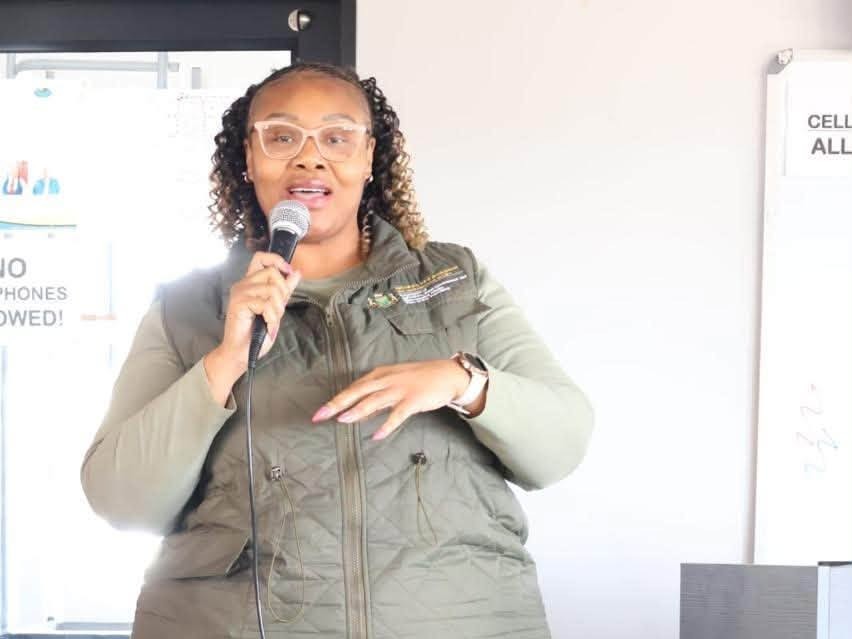
The participation of DARDEA gave students an opportunity to learn more about the support available within the agricultural sector. Ms. Moliehi Moeng, Director of Strategic Communication and Information Services at DARDEA, presented the programmes and services offered by the department and explained how these can assist students in developing their career paths. This information is valuable for young people who may want to enter farming, pursue agricultural employment or establish businesses linked to the sector. Understanding the role of government can help students identify opportunities for training, development and engagement with agricultural programmes. It can also help future farmers understand where to seek information and support as they move from education into practical agricultural production.
The presence of the Central University of Technology and the University of the Free State strengthened the focus on further education and professional development. Students were able to gain guidance on how they can build on their current agricultural studies and pursue additional qualifications. For the farming sector, this pathway is important because farmers increasingly require access to people with specialised technical and scientific knowledge. Higher education can provide students with deeper skills in areas such as agricultural science, animal production, crop production, environmental management, agricultural economics and technology. Encouraging students to continue developing their qualifications can help create a stronger pool of professionals capable of supporting farmers and finding solutions to the challenges affecting agricultural production.
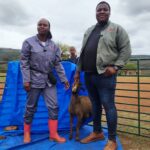
The expo also provided an important connection between students and the practical realities of agricultural businesses. Farmers and other stakeholders were invited to exhibit their products, allowing students to see examples of agricultural production and entrepreneurship. DARDEA also participated in the exhibitions, creating an opportunity for students to engage with representatives from the department and learn more about the agricultural value chain. These interactions can help students understand that successful agriculture involves much more than producing crops or keeping livestock. Production, processing, packaging, marketing, finance, logistics and access to consumers are all connected, and young people entering the sector need to understand how these different components work together.
The participation of Nedbank was particularly relevant to students interested in the business side of farming. Agriculture is a capital-intensive sector, and farmers need sound financial management to purchase inputs, maintain equipment, invest in infrastructure and manage production risks. Young people who want to establish farming businesses therefore need to understand financial planning, budgeting, investment and responsible borrowing. Exposure to financial institutions at an agricultural career event can help students begin developing an understanding of the financial requirements of running a viable agricultural enterprise. This knowledge can become increasingly important as young farmers seek to move from small-scale activities towards commercially sustainable production.
Other exhibitors, including Bemo Bees and Exodus, demonstrated the diversity of opportunities available within agriculture. Beekeeping is one example of an agricultural enterprise that can generate income while also contributing to pollination and broader agricultural productivity. The involvement of businesses from different parts of the agricultural value chain showed students that they do not necessarily have to follow one traditional career path to participate in the sector. Agriculture provides opportunities for entrepreneurship, specialised services, value addition and innovation. For young people looking for ways to enter the industry, understanding these different opportunities can encourage them to identify gaps in the market and develop businesses that respond to the needs of farmers and rural communities.
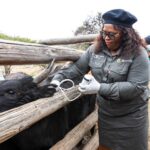
The participation of Veterinary Services also highlighted the critical role of animal health in farming. Livestock farmers depend on effective veterinary and animal health services to protect herds, manage diseases and maintain productive animals. Veterinary science, animal health technology and related services therefore remain important career areas for students interested in livestock production. Young agricultural professionals can play an important role in helping farmers prevent disease outbreaks, improve herd management and comply with animal health requirements. Strong veterinary support is also important for protecting the wider livestock industry and maintaining the movement of animals and agricultural products through domestic and international markets.
For the farming sector, investing in agricultural education is also an investment in the long-term sustainability of rural economies. Young people with appropriate skills can contribute to improved productivity, introduce new technologies and develop innovative approaches to farming. They can also bring fresh ideas to challenges involving climate change, water availability, soil degradation, input costs and market access. At the same time, agricultural education can help young people see farming as a viable profession and business rather than simply an activity passed from one generation to another. Creating clear pathways from agricultural education into employment, entrepreneurship and commercial farming can therefore help attract more young people into the sector.
Career events such as the Motheo TVET College expo can also help strengthen the relationship between education and the agricultural industry. Students benefit when they can interact directly with farmers, government officials, universities, financial institutions and agricultural businesses because these stakeholders provide different perspectives on what is required to succeed. Farmers, in turn, benefit from having access to a future workforce that understands the realities of modern agricultural production. Stronger partnerships can help identify skills gaps and encourage educational institutions to provide training that responds to the changing needs of the sector. Such collaboration is essential if agriculture is to build a workforce capable of supporting food production, rural development and agricultural innovation.
The Agricultural Career Expo at Motheo TVET College’s Plot 32 Campus in Bloemspruit provided an important platform for connecting agricultural students with the people and organisations shaping the future of the sector. DARDEA’s participation, together with the involvement of the Central University of Technology, the University of the Free State, farmers, Nedbank, Bemo Bees, Exodus and Veterinary Services, gave students exposure to a broad range of agricultural opportunities. The event demonstrated that the future of farming will require more than producers alone, as it will depend on skilled professionals, entrepreneurs, technicians, financial experts, researchers and service providers working together. Continued investment in agricultural career guidance, practical training and partnerships with the farming industry can help young people develop the skills needed to contribute meaningfully to agriculture. By connecting students with real opportunities and showing them the many ways they can participate in the agricultural economy, events like this can help build the skilled and innovative workforce that farmers will need for a stronger food system in the years ahead.
Join 'Farmers Mag' WhatsApp Channel
Get the latest Farming news and tips delivered straight to your WhatsApp
CLICK HERE TO JOIN