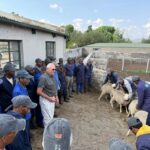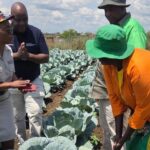
Farmers in Mpumalanga’s Ehlanzeni District are set to benefit from improved market access following a South African Good Agricultural Practices (SA GAP) workshop hosted by the Perishable Products Export Control Board (PPECB) and the Department of Agriculture, Rural Development, Land and Environmental Affairs (DARDLEA) in Mbombela. The workshop focused on helping farmers understand the standards and requirements needed to produce safe, high-quality agricultural products while meeting the expectations of formal markets. For many farmers, achieving SA GAP compliance can be an important step towards accessing larger buyers and strengthening the commercial potential of their farming businesses. The training also provided information on certification requirements and the processes farmers need to follow to demonstrate that their production practices meet recognised standards. By improving farmers’ understanding of compliance, the initiative has the potential to strengthen agricultural production and create new opportunities across the Ehlanzeni farming community.
Good Agricultural Practices are increasingly important in an agricultural sector where consumers and buyers demand greater assurance about the safety and quality of food. Farmers supplying formal markets may be required to demonstrate that their crops are produced, handled and stored according to specific standards that reduce risks throughout the production process. SA GAP provides a framework that encourages farmers to implement responsible practices covering food safety, environmental management, worker welfare and occupational health and safety. Understanding these requirements can help farmers identify weaknesses on their farms and introduce systems that improve both compliance and overall farm management. For producers in Ehlanzeni, the workshop therefore offered more than theoretical information because it provided practical guidance that could help them prepare their farms for certification and improve their ability to compete for market opportunities.
Health and safety regulations were among the important areas highlighted during the workshop because food safety is closely linked to how agricultural products are produced and handled. Farmers need to understand the risks that can affect produce from planting through harvesting, packing, storage and transportation. Proper hygiene, safe handling procedures, appropriate use of agricultural inputs and accurate record-keeping can all contribute to reducing contamination risks and protecting consumers. Meeting these requirements can also give farmers greater confidence when approaching buyers who require evidence that their suppliers follow recognised food safety practices. By adopting consistent procedures, farmers can improve the quality of their produce while building stronger relationships with markets that place a high value on food safety.
Environmental protection is another important component of Good Agricultural Practices because farming depends on healthy natural resources. Farmers need to manage soil, water, agricultural chemicals and waste responsibly to protect the environment while maintaining productive farmland. Sustainable practices can help reduce unnecessary environmental damage and support the long-term productivity of farms. They can also demonstrate to buyers that producers are taking responsible steps to manage the environmental impact of agricultural activities. For farmers in Ehlanzeni, where agriculture forms an important part of rural livelihoods and local economic activity, responsible resource management can contribute to the resilience and sustainability of farming operations for future generations.
The welfare and treatment of farm workers also form an important part of SA GAP compliance. Farmers are expected to understand their responsibilities towards workers and promote fair labour practices within their operations. This includes creating appropriate working conditions, respecting workers’ rights and ensuring that employees are treated fairly. Good labour practices can contribute to a more productive workforce while reducing risks associated with poor working conditions and non-compliance with applicable requirements. For farmers seeking to enter formal supply chains, demonstrating responsible worker management can also strengthen their reputation with buyers and other stakeholders.
Worker safety is equally important because agricultural activities can expose employees to a range of occupational risks. Farm workers may handle machinery, agricultural chemicals, tools and other equipment that require appropriate safety measures and training. Farmers therefore need to establish procedures that help employees understand potential hazards and know how to work safely. Providing suitable protective equipment, maintaining equipment properly and ensuring that workers receive relevant safety information can reduce the likelihood of workplace injuries. Strong occupational health and safety practices can also form part of a farmer’s broader effort to create an efficient, responsible and professionally managed agricultural enterprise.
A major purpose of the workshop was to guide farmers through the SA GAP certification process and help them understand what is required before seeking certification. Certification can require farmers to demonstrate that their production systems meet specified standards and that appropriate records and procedures are in place. This means farmers may need to assess their existing practices, identify areas requiring improvement and introduce systems that support ongoing compliance. Proper documentation can be particularly important because records provide evidence that required procedures are being followed consistently. By understanding the certification process before beginning an application, farmers can better prepare their businesses and avoid preventable challenges along the way.
Improved compliance can also open doors to formal agricultural markets that may otherwise be difficult for some producers to access. Larger retailers, wholesalers, processors and other buyers often have specific requirements for suppliers because they need to protect consumers and maintain consistent product quality. Farmers who can demonstrate that their operations meet recognised standards may therefore be better positioned to engage with these markets. Increased market access can provide opportunities to expand production, improve farm income and create additional employment in rural communities. However, certification should not be viewed simply as a requirement for selling produce, but as part of building a well-managed farming business capable of meeting demanding market expectations.
The workshop also provided farmers with insights into export certification and the requirements associated with supplying international markets. Export opportunities can offer farmers access to larger and potentially more lucrative markets, but international buyers generally expect producers to meet strict standards relating to food safety, quality, traceability and production practices. Understanding these requirements early can help farmers make informed decisions about investments in infrastructure, record-keeping, handling facilities and farm management systems. Export certification can also require compliance with additional regulatory and market-specific requirements, making proper preparation essential. For producers with the capacity to supply international markets, the knowledge gained through initiatives such as the SA GAP workshop could provide an important foundation for exploring opportunities beyond domestic markets.
For Ehlanzeni farmers, the workshop is therefore significant because improved standards and certification can strengthen the connection between agricultural production and market opportunities. Farmers who understand what buyers require are better placed to adapt their production systems and demonstrate the quality and safety of their products. This can help reduce the gap between small and emerging producers and formal markets that often have strict supplier requirements. It can also encourage farmers to view compliance as an investment in the long-term development of their businesses rather than simply another administrative burden. With appropriate support, training and access to certification services, more producers could potentially participate in structured agricultural value chains.
The success of such initiatives will ultimately depend on continued support after the workshop. Farmers may need assistance with farm assessments, documentation, record-keeping, infrastructure improvements and the practical implementation of SA GAP requirements. Ongoing engagement between farmers, government departments, industry bodies and market stakeholders can help producers address challenges that arise during the certification process. It is also important that farmers understand that certification is not a once-off exercise, as maintaining standards requires consistent attention to food safety, environmental protection, worker welfare and workplace safety. Continued training and technical support can therefore help ensure that farmers remain compliant while improving the overall performance of their agricultural businesses.
The SA GAP workshop in Mbombela highlights the growing importance of quality standards and responsible farming practices in creating sustainable market opportunities. For farmers in Ehlanzeni, understanding certification requirements can provide a pathway towards stronger participation in formal domestic markets and, where suitable, international export opportunities. The focus on food safety, environmental protection, worker welfare and safety reflects the broader responsibilities that come with supplying modern agricultural markets. With the right support, compliance can help farmers improve their production systems, strengthen their businesses and build greater trust among buyers and consumers. As Ehlanzeni’s agricultural sector continues to develop, initiatives that equip farmers with the knowledge and tools to meet recognised standards will be important in turning improved farm practices into stronger market access and long-term rural economic growth.
Join 'Farmers Mag' WhatsApp Channel
Get the latest Farming news and tips delivered straight to your WhatsApp
CLICK HERE TO JOIN