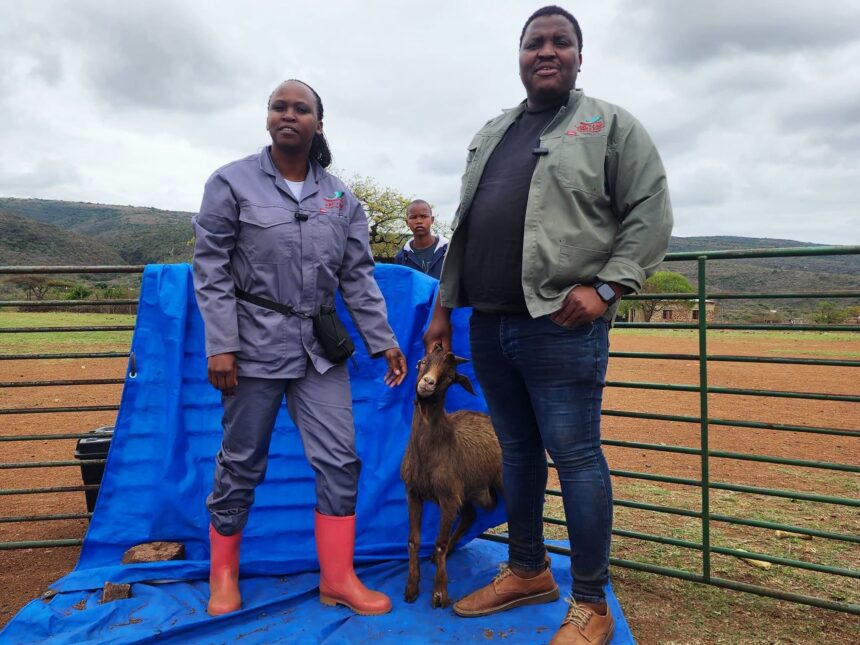
South Africa’s indigenous livestock could play an important role in the future of farming, particularly as producers face changing environmental conditions, rising production costs and increasing pressure to build resilient herds. Dr Khanyisile Hadebe is working to ensure that these valuable genetic resources are protected while helping farmers understand how they can contribute to productive and sustainable livestock systems. As a Senior Researcher at the Agricultural Research Council’s Biotechnology Platform, Dr Hadebe uses genomics to study the genetic diversity of indigenous livestock. Her research is complemented by direct work with smallholder farmers through Kaonafatso ya Dikgomo, where she supports better breeding practices, livestock record-keeping and animal selection. Her commitment is firm: “No indigenous livestock species will go extinct under my watch.”
For livestock farmers, protecting indigenous breeds is about more than preserving agricultural history. These animals carry genetic characteristics that have developed over generations under local production conditions. Such characteristics can be valuable in farming systems where animals must cope with local climates, available grazing, disease pressures and other environmental challenges. Maintaining a diverse genetic base gives farmers and researchers more options when developing breeding programmes for changing conditions. The conservation of indigenous livestock can therefore support both agricultural heritage and the long-term resilience of South African livestock production.
Genomics is helping researchers understand this genetic diversity in greater detail. By studying the genetic makeup of livestock populations, scientists can identify differences between animals and gain information that can support breeding and conservation decisions. This knowledge can help farmers and researchers avoid losing valuable genetic characteristics when selecting animals for improved productivity. It can also support more informed breeding programmes that consider both production performance and the ability of animals to adapt to local conditions. For farmers, the value of this research lies in its potential to support stronger herds without sacrificing the characteristics that make indigenous livestock valuable.
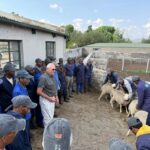
Dr Hadebe’s involvement with Kaonafatso ya Dikgomo brings this scientific work closer to farming communities. The programme works with smallholder farmers to improve livestock breeding practices, record-keeping and animal selection. Accurate records allow farmers to track important information about their animals and make better decisions when choosing breeding stock. Without reliable records, farmers may struggle to identify which animals consistently perform well or which characteristics should be passed on to future generations. Improving record-keeping can therefore become a practical tool for strengthening herd management and supporting gradual genetic improvement.
Animal selection is another important area for farmers seeking to build productive herds. Selecting breeding animals based on clear information can help producers make more deliberate decisions instead of relying only on appearance or traditional practices. Farmers can consider characteristics such as growth, reproduction, health, adaptation and overall performance when deciding which animals should remain in their breeding programmes. The right selection strategy can help improve herd quality over time while maintaining genetic diversity. When farmers combine their practical knowledge with scientific information, they can make breeding decisions that are better suited to their production goals and local conditions.
Indigenous livestock can also contribute to more resilient farming systems because their genetic characteristics may offer advantages under local conditions. Farmers operate in environments that can vary significantly in terms of rainfall, temperatures, grazing resources and disease risks. Livestock that are suited to these conditions may be better positioned to cope with certain production challenges than animals that are less adapted to the environment. This does not mean that indigenous animals are automatically superior in every production system, but it does highlight the importance of preserving their genetic characteristics. Research can help determine which traits have practical value and how those traits can be incorporated into responsible breeding programmes.
The economic value of indigenous livestock also deserves greater attention. Conservation becomes more sustainable when farmers can generate income from the animals they are raising and improving. Stronger breeding practices can help producers develop herds with desirable characteristics while better records can provide useful information when marketing animals. Creating stronger markets for indigenous livestock can give farmers an additional incentive to maintain these breeds and invest in their improvement. This can help connect conservation with commercial agriculture and ensure that protecting genetic diversity also contributes to rural livelihoods.
For smallholder farmers, access to knowledge and practical support is particularly important. Many producers have valuable experience and traditional knowledge but may not always have access to advanced genetic information, formal breeding records or specialist technical services. Programmes that connect farmers with researchers and agricultural professionals can help close this gap. Farmers can learn how to keep useful records, identify suitable breeding animals and make decisions based on evidence from their own herds. This type of support can strengthen individual farming enterprises while also contributing to the wider conservation of indigenous livestock populations.
The work also demonstrates the importance of collaboration between agricultural research institutions and farming communities. Scientists can provide information about genetics and livestock populations, while farmers contribute practical knowledge about animal performance under real production conditions. Neither perspective works as effectively in isolation because successful livestock development requires both scientific understanding and knowledge of farming realities. Collaboration allows research findings to be tested against practical conditions and helps ensure that new approaches address genuine challenges faced by producers. This connection between research and farming is essential if scientific advances are to deliver meaningful benefits at farm level.
Dr Hadebe’s professional achievements further highlight the growing role of scientific research in South African agriculture. She is an NRF Y-2 rated scientist and a Professional Natural Scientist, reflecting her standing within the research community. She has also been appointed as a Research and Innovation Associate at Tshwane University of Technology. These roles provide opportunities to advance research while contributing to the development of knowledge and innovation in agriculture. For the farming sector, the work of scientists with a strong focus on local livestock resources can help ensure that research addresses the country’s specific agricultural needs.
Protecting indigenous livestock is particularly important at a time when farmers are being encouraged to build production systems that can withstand future challenges. Climate variability, changing consumer demands, animal health risks and economic pressures all require producers to make careful decisions about their livestock enterprises. Genetic diversity gives farmers and researchers a broader resource base from which to develop future breeding strategies. Losing indigenous breeds could mean losing genetic characteristics that may become increasingly valuable as farming conditions change. Conservation should therefore be viewed as part of long-term agricultural planning rather than as an activity separate from commercial farming.
Farmers also have an important role to play in ensuring that indigenous livestock remain part of South Africa’s agricultural future. Maintaining breeding animals, keeping accurate records and participating in livestock improvement programmes can help protect valuable populations. Producers can also contribute by sharing information about animal performance and working with researchers and agricultural support programmes. These activities can help build a stronger understanding of indigenous livestock while creating opportunities to improve their productivity and market value. The involvement of farmers is essential because conservation ultimately depends on keeping these animals within active and viable farming systems.
Dr Khanyisile Hadebe’s work shows how modern science can support farmers in protecting an important part of South Africa’s livestock heritage. Her research in genomics, combined with her engagement with smallholder farmers through Kaonafatso ya Dikgomo, connects genetic conservation with practical issues such as breeding, record-keeping, animal selection and market opportunities. Her commitment to ensuring that no indigenous livestock species goes extinct under her watch highlights the urgency of protecting these valuable genetic resources. For farmers, the message is clear: indigenous livestock can have a place in modern agriculture when conservation, sound breeding practices, scientific research and commercial opportunities work together. Protecting these animals today can give future farmers access to a wider genetic resource base and help build a livestock sector that is productive, adaptable and resilient for generations to come.
Join 'Farmers Mag' WhatsApp Channel
Get the latest Farming news and tips delivered straight to your WhatsApp
CLICK HERE TO JOIN