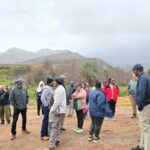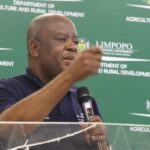
Investment in agricultural development continues to play a vital role in strengthening food security, creating employment and supporting economic growth across South Africa. Government programmes that provide financial assistance to farmers help increase production while improving the sustainability of agricultural enterprises. One such initiative is the Waterbron Layer Poultry Project in the Northern Cape, which recently received a monitoring visit from the province’s leadership. Yesterday, MEC Lebogang Motlhaping, accompanied by Head of Department Mr Zolile Monakali, visited the project to assess progress on one of the Department’s key Comprehensive Agricultural Support Programme, commonly known as CASP, investments. The visit highlighted government’s ongoing commitment to supporting commercially viable farming enterprises that contribute to rural development and long-term agricultural growth. It also demonstrated the importance of monitoring public investments to ensure they deliver meaningful benefits for farmers, local communities and the provincial economy.
The Waterbron Layer Poultry Project has become an example of how targeted government support can strengthen agricultural production and improve business sustainability. Through the Comprehensive Agricultural Support Programme, the Department invested R5.15 million to expand the farm’s operations and increase its production capacity. This investment has enabled significant infrastructure improvements that position the farm for long-term success within the poultry industry. Strategic funding of this nature allows farming enterprises to modernise their operations while increasing efficiency and competitiveness. The project also demonstrates how public investment can stimulate private agricultural businesses that contribute to food production and employment creation. Continued support for productive farming enterprises remains an important component of agricultural development in the Northern Cape.
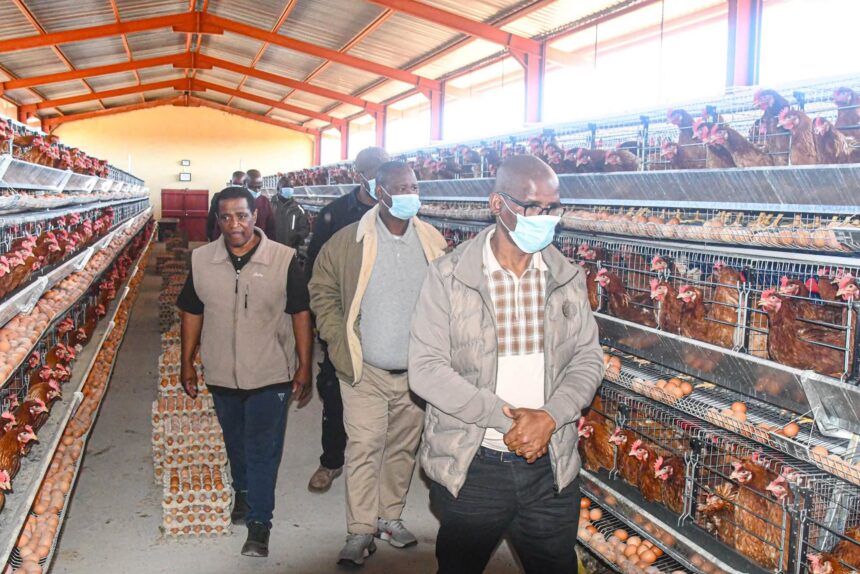
A significant portion of the CASP funding was used to complete a modern layer chicken house with the capacity to accommodate 5,000 birds. Expanding housing facilities is essential for increasing production while maintaining proper animal welfare and efficient farm management practices. A larger production facility enables the farm to meet growing market demand while improving operational planning and productivity. Properly designed poultry housing also supports bird health by providing suitable environmental conditions, biosecurity measures and efficient feeding systems. These improvements help farmers maximise production while reducing losses associated with poor infrastructure. Investing in modern poultry facilities strengthens the farm’s ability to operate sustainably and remain competitive within the commercial egg industry.
In addition to expanding production infrastructure, the project received support for essential production inputs required to maintain efficient farming operations. Reliable access to quality feed, equipment and other production materials is critical for ensuring consistent egg production throughout the year. Agricultural investments that include production inputs help farmers begin or expand operations without facing immediate financial constraints that could affect productivity. This type of support allows farmers to focus on efficient management while maintaining high production standards. Access to the right resources also contributes to improved animal health and product quality, both of which are important for maintaining strong relationships with buyers. Supporting farmers with comprehensive production requirements increases the likelihood of long-term business success.
The installation of a water reticulation system formed another important part of the project supported through CASP funding. Reliable water infrastructure is essential for poultry farming because birds require continuous access to clean water for healthy growth and consistent egg production. Efficient water distribution systems improve farm management while reducing waste and ensuring that production continues without unnecessary interruptions. In regions where water availability may be limited, investing in modern water infrastructure also strengthens the resilience of agricultural enterprises. Reliable water systems contribute directly to improved animal welfare and higher productivity. Such investments reflect the importance of combining production expansion with sustainable resource management.
Another major improvement funded through the project was the installation of a solar power system to support farm operations. Renewable energy has become increasingly important for agricultural businesses seeking to reduce operating costs and improve energy security. Poultry farms rely heavily on electricity for lighting, ventilation, feeding systems and other essential daily activities. Solar energy helps reduce dependence on conventional electricity while lowering long-term operating expenses and improving environmental sustainability. Reliable energy also protects production from disruptions caused by power interruptions that could negatively affect bird welfare and productivity. Integrating renewable energy into farming operations demonstrates how modern technology can strengthen agricultural resilience while supporting sustainable business practices.
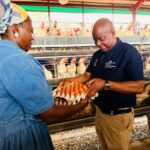
The Waterbron Layer Poultry Project is already making a significant contribution to local food production. The farm currently produces more than 4,000 eggs every day, supplying local retailers through an established off-take agreement with Top Lay (Pty) Ltd. Having a reliable market agreement provides financial stability by ensuring that eggs produced on the farm have a consistent buyer. Secure market access allows farmers to plan production more effectively while reducing uncertainty associated with fluctuating demand. Strong partnerships between producers and retailers also contribute to stable food supply chains that benefit consumers and local businesses. This successful marketing arrangement highlights the importance of combining production support with dependable commercial opportunities.
The farm currently has approximately 4,000 layer chickens in production, with the remaining 1,000 birds expected to arrive soon to bring the facility to its full production capacity of 5,000 birds. Reaching full capacity will enable the farm to increase egg production and improve overall business performance. Higher production volumes create opportunities to serve additional customers while strengthening the farm’s financial sustainability. Expanding operations also allows the business to maximise the value of the infrastructure investments made through government support. Careful planning during this growth phase will ensure that increased production remains efficient and profitable. Achieving full capacity represents an important milestone in the continued development of the project.
Beyond increasing food production, the Waterbron Layer Poultry Project is already contributing to employment and local economic development. The project has created three permanent jobs, providing stable employment opportunities within the community. As production expands and additional market opportunities are secured, more jobs are expected to be created in the future. Employment generated by agricultural enterprises has a positive impact on rural communities by supporting household incomes and stimulating local economic activity. Successful farming businesses also create indirect opportunities for suppliers, transport providers and other service industries connected to agriculture. Expanding agricultural production therefore delivers benefits that extend well beyond the farm itself.
The visit by MEC Lebogang Motlhaping and Head of Department Mr Zolile Monakali demonstrated the Northern Cape Department’s continued commitment to monitoring public investments and supporting successful agricultural projects. Regular oversight ensures that government funding delivers measurable outcomes while identifying opportunities for further improvement and expansion. The progress made at the Waterbron Layer Poultry Project illustrates how strategic investment through the Comprehensive Agricultural Support Programme can strengthen food production, create employment and improve business sustainability. Infrastructure development, renewable energy, reliable water systems and secure market access have positioned the project for continued growth within the province’s poultry industry. As the farm moves towards full production capacity, it is expected to make an even greater contribution to food security, sustainable livelihoods and the long-term growth of the Northern Cape agricultural economy.
Join 'Farmers Mag' WhatsApp Channel
Get the latest Farming news and tips delivered straight to your WhatsApp
CLICK HERE TO JOIN