South Africa’s commercial pig industry has achieved a significant milestone by successfully bringing its largest African swine fever outbreak under control. The achievement reflects the effectiveness of coordinated disease management, improved biosecurity measures and the commitment of producers to protecting the country’s pork industry. However, industry leaders caution that the fight against African swine fever is far from over. While commercial operations have made substantial progress, the disease continues to pose a serious threat to informal and small-scale farming systems where biosecurity practices may be more difficult to implement. For this reason, the South African Pork Producers’ Organisation continues to encourage all pig farmers to remain vigilant and maintain the highest possible standards of disease prevention.
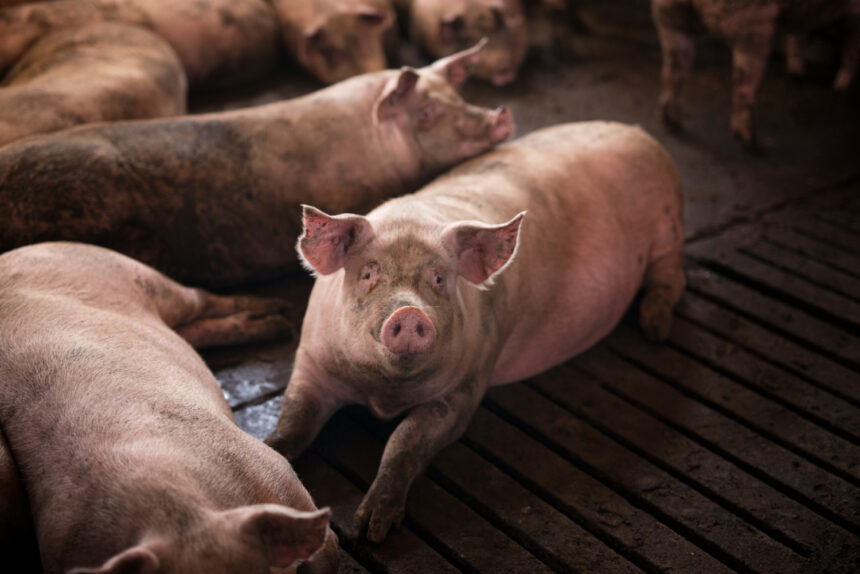
African swine fever is one of the most devastating diseases affecting pig populations worldwide. The viral disease affects domestic pigs and wild pigs and is highly contagious, often leading to severe losses when outbreaks occur. Although the disease does not infect humans or make pork unsafe to eat, it has serious economic consequences for farmers and the broader agricultural sector. Outbreaks can result in large-scale livestock losses, movement restrictions, disruptions to pork production and significant financial hardship for producers. Preventing the spread of the disease therefore remains a top priority for the pig industry and veterinary authorities across South Africa.
The successful resolution of the country’s largest African swine fever outbreak demonstrates the value of strong cooperation between producers, veterinarians, industry organisations and government authorities. Commercial pig producers have invested heavily in comprehensive biosecurity systems designed to reduce the risk of disease entering their farms. These measures include strict access control, regular sanitation procedures, careful monitoring of animal health and responsible management of livestock movements. Such practices have played a critical role in containing outbreaks and protecting commercial pig populations. The industry’s progress provides an encouraging example of how effective disease management can strengthen agricultural resilience.
Despite this achievement, the South African Pork Producers’ Organisation has warned that informal farming systems remain particularly vulnerable to African swine fever. Informal and small-scale pig farmers often face challenges such as limited infrastructure, fewer financial resources and reduced access to veterinary support. These factors can make it more difficult to implement comprehensive biosecurity measures that prevent disease transmission. As a result, outbreaks within informal farming communities can spread more easily if appropriate precautions are not consistently followed. Protecting these farming systems is essential for safeguarding the wider pork industry and supporting rural livelihoods.
Sappo General Manager Karla Zietsman has emphasised that every pig producer, regardless of the size of their operation, has an important role to play in preventing future outbreaks. She has urged all producers to maintain strict biosecurity measures even though the commercial sector has successfully managed the recent outbreak. Disease prevention requires continuous commitment rather than temporary action during periods of heightened risk. Farmers should never become complacent simply because disease levels have declined. Ongoing vigilance remains one of the most effective tools for protecting livestock and ensuring the long-term sustainability of pig farming.
Biosecurity refers to the practical measures implemented to prevent diseases from entering or spreading within livestock operations. These measures include controlling access to farms, disinfecting vehicles and equipment, maintaining clean facilities and ensuring that pigs are sourced from healthy and reputable suppliers. Farmers should also avoid feeding pigs food waste that may carry disease and should minimise unnecessary contact between domestic pigs and wild animals. Regular observation of livestock allows farmers to detect unusual symptoms early and report suspected disease promptly to veterinary authorities. Consistently applying these practices significantly reduces the likelihood of disease outbreaks.
Strong biosecurity benefits not only individual farmers but also the entire agricultural value chain. Healthy pig populations contribute to stable pork production, reliable market supply and improved consumer confidence. Preventing disease outbreaks also protects jobs throughout the pork industry, including those involved in feed production, transport, processing and retail. The financial cost of maintaining effective biosecurity is often far lower than the economic losses associated with widespread disease outbreaks. Investing in prevention therefore supports both farm profitability and national food security.
Education and awareness remain essential components of successful disease control. Training programmes, veterinary extension services and industry communication help farmers understand current disease risks and the latest recommended biosecurity practices. Sharing information between commercial producers and small-scale farmers strengthens the industry’s overall ability to respond to emerging threats. Encouraging collaboration across different farming systems ensures that valuable knowledge reaches producers who may have limited access to technical support. Building this culture of shared responsibility enhances the resilience of South Africa’s pig farming sector.
The successful management of South Africa’s largest African swine fever outbreak marks an important achievement for the commercial pig industry, but it should not lead to complacency. As highlighted by the South African Pork Producers’ Organisation and General Manager Karla Zietsman, informal farming systems continue to face significant risks that require ongoing attention. Maintaining strict biosecurity measures across all farming operations is essential for preventing future outbreaks and protecting the livelihoods of pig producers. Through continued vigilance, education and cooperation, South Africa can strengthen its ability to manage livestock diseases while supporting a sustainable and competitive pork industry. Every farmer has a role to play in safeguarding animal health and ensuring the long-term success of the country’s pig farming sector.
Join 'Farmers Mag' WhatsApp Channel
Get the latest Farming news and tips delivered straight to your WhatsApp
CLICK HERE TO JOIN