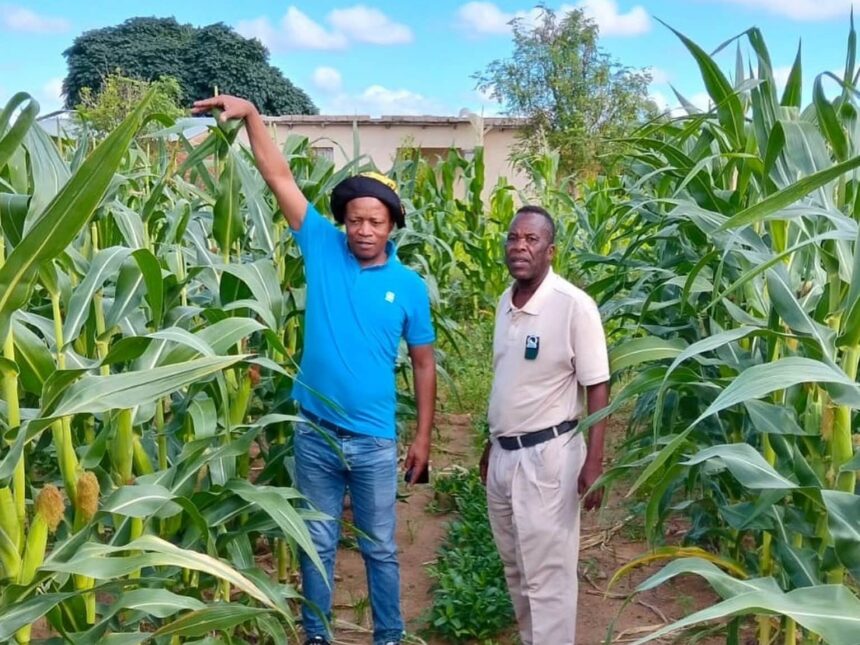
Agriculture is undergoing an important transformation as farmers increasingly adopt sustainable practices that protect the environment while improving food production. One of the most effective approaches driving this change is agroecology, a farming system that works with nature rather than against it. By combining scientific knowledge with practical farming experience, agroecology helps producers grow healthy food while protecting the land and natural resources that future generations will depend on. The approach recognises that healthy ecosystems are essential for productive farms, resilient communities and long-term food security. As climate change, environmental degradation and rising food demand continue to challenge the agricultural sector, agroecology is becoming an increasingly valuable solution for farmers around the world.
Agroecology focuses on farming methods that strengthen natural systems instead of relying heavily on synthetic inputs. Farmers use techniques such as crop rotation, composting and natural pest control to improve productivity while maintaining ecological balance. Crop rotation helps restore soil nutrients, reduces pest populations and lowers the risk of plant diseases by avoiding the repeated cultivation of the same crops in one area. Composting returns valuable organic matter to the soil, improving its structure, fertility and ability to retain moisture. Natural pest control encourages beneficial insects, birds and other organisms that help keep harmful pests under control without excessive use of chemical pesticides.
Healthy soil is one of the greatest benefits of adopting agroecological farming practices. Soil is far more than a growing medium because it contains living organisms that support plant growth and nutrient cycling. By reducing soil disturbance and increasing organic matter, farmers create healthier soils that are more productive and resilient. Improved soil health also enhances water retention, reducing the impact of drought and helping crops survive during periods of limited rainfall. Stronger soils contribute to better harvests while protecting valuable agricultural land from erosion and degradation.
Agroecology also plays an important role in protecting biodiversity across farming landscapes. Farms managed using ecological principles often provide habitats for beneficial insects, birds, pollinators and other wildlife that support agricultural production. Maintaining diverse plant species and natural vegetation helps strengthen ecosystems while reducing dependence on chemical interventions. Pollinators such as bees are essential for many fruit, vegetable and seed crops, making biodiversity conservation directly linked to food production. By protecting plants and animals within agricultural environments, farmers create healthier ecosystems that remain productive over the long term.
Another significant advantage of agroecology is the efficient use of natural resources. Water conservation, improved soil management and responsible land use allow farmers to produce more while reducing waste and environmental impact. Sustainable farming practices help preserve water supplies by increasing soil moisture retention and reducing runoff during heavy rainfall. Efficient resource management also lowers production costs by reducing dependence on expensive external inputs such as synthetic fertilisers and pesticides. These savings improve farm profitability while supporting environmental sustainability.
Climate change continues to create uncertainty for agricultural producers through rising temperatures, changing rainfall patterns and more frequent extreme weather events. Agroecology helps farmers adapt to these changing conditions by strengthening the resilience of farming systems. Healthy soils, diverse crops and sustainable land management practices reduce vulnerability to droughts, floods and pest outbreaks. Farmers who diversify their production systems are often better able to manage risks because they rely on multiple sources of income and food production. This resilience is becoming increasingly important as agricultural communities work to maintain stable food supplies despite changing environmental conditions.
The benefits of agroecology extend well beyond individual farms and contribute directly to stronger rural communities. Training programmes and practical learning opportunities provide farmers with valuable knowledge that improves agricultural productivity and business management. Women and young people, who often face barriers to entering the agricultural sector, gain access to new skills, leadership opportunities and income-generating activities through agroecological initiatives. These opportunities help create more inclusive agricultural economies while encouraging the next generation to participate in farming. As livelihoods improve, families become better positioned to invest in education, healthcare and future agricultural development.
Food security is another major outcome of expanding agroecological farming practices. Healthier soils, improved crop production and more resilient farming systems contribute to a reliable supply of nutritious food throughout the year. Local food production also reduces dependence on external markets and strengthens community resilience during economic or environmental disruptions. Increased agricultural productivity allows farming households to meet their own nutritional needs while generating additional income through the sale of surplus produce. These combined benefits improve both household wellbeing and broader community food systems.
As more farmers adopt agroecology, the positive impact continues to grow across the agricultural sector. Healthier soils, stronger harvests and more sustainable farming methods are creating long-term benefits for producers, consumers and the environment alike. The approach demonstrates that agricultural productivity and environmental conservation can work together to support lasting economic development and food security. By creating opportunities for women and young people while promoting responsible management of natural resources, agroecology strengthens both farming enterprises and rural communities. Its continued adoption will play a vital role in building resilient agricultural systems that are prepared to meet future challenges while producing healthy food and protecting the land for generations to come.
Join 'Farmers Mag' WhatsApp Channel
Get the latest Farming news and tips delivered straight to your WhatsApp
CLICK HERE TO JOIN