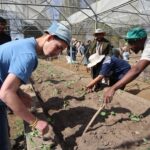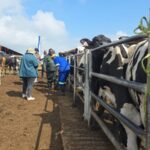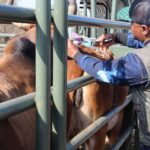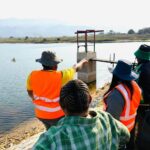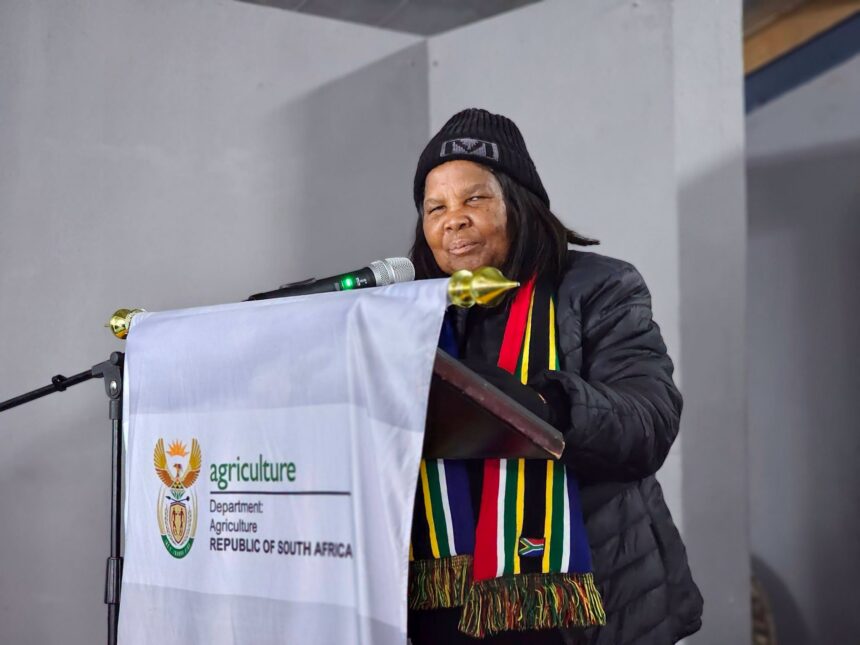
Deputy Minister Nokuzola Capa is engaging with subsistence farmers in the uMshwathi Local Municipality in KwaZulu-Natal as part of the National Department of Agriculture’s Food Security at Household Level Programme. These engagements form an important part of the government’s ongoing efforts to strengthen household food production and improve food security across South Africa. Rather than focusing only on the distribution of resources, the programme emphasizes direct interaction with farming communities to better understand their everyday realities. By listening to the voices of subsistence farmers, the department is able to identify practical ways to improve support and develop solutions that respond to local needs. This people-centered approach highlights the importance of collaboration between government and communities in building a more resilient and food-secure nation.
Subsistence farmers play a vital role in ensuring food is available at household and community level, particularly in rural areas where many families rely on small-scale agriculture for their daily nutritional needs. These farmers often cultivate vegetables, grains and other crops primarily for household consumption, while surplus produce may be shared with neighbors or sold to generate additional income. Despite their important contribution, many subsistence farmers continue to face challenges such as limited access to farming equipment, changing weather patterns, water shortages and financial constraints. These obstacles can reduce productivity and make it difficult for households to maintain consistent food supplies throughout the year. The engagement sessions provide an opportunity for farmers to openly discuss these issues with government representatives and contribute ideas that can shape future agricultural support programmes.
One of the key objectives of the Food Security at Household Level Programme is to ensure that government support remains responsive to the needs and aspirations of the communities it serves. Every farming community faces unique circumstances that require practical and flexible solutions rather than a single national approach. Through direct conversations with farmers, the National Department of Agriculture gains valuable insight into the specific challenges affecting agricultural production in different areas. This information helps guide policy development, resource allocation and future interventions that are tailored to local conditions. Farmers are therefore not only beneficiaries of government programmes but also active participants in designing solutions that improve household food security.
These engagements also create opportunities to strengthen the relationship between government and rural communities. Open dialogue builds trust and encourages greater participation in agricultural development initiatives. Farmers who feel heard are more likely to engage with extension officers, adopt improved farming practices and take advantage of available government support programmes. At the same time, government officials gain a clearer understanding of how policies are experienced at grassroots level and where improvements may be needed. This two-way communication helps create more effective agricultural programmes that deliver meaningful and lasting benefits.
The discussions with subsistence farmers extend beyond identifying challenges and also focus on finding practical solutions that can improve household food production. Topics such as soil preparation, water conservation, crop selection, pest management and sustainable farming methods are often essential components of successful household agriculture. Farmers also benefit from sharing experiences and best practices with one another during these community engagements. Learning from neighboring farmers who have successfully overcome similar challenges can inspire new approaches and strengthen local agricultural knowledge. This exchange of ideas contributes to stronger farming communities that are better equipped to adapt to changing conditions.
Supporting household food production has far-reaching benefits that extend beyond individual families. Home gardens and small-scale farming projects improve access to fresh, nutritious food while reducing dependence on purchased groceries. As households become more self-reliant, they are better positioned to cope with rising food prices and economic uncertainty. Increased food production at community level also strengthens local food systems by making healthy produce more widely available. These outcomes contribute to improved public health, stronger local economies and greater resilience during periods of environmental or economic stress.
The programme also recognizes the importance of preserving indigenous agricultural knowledge while encouraging sustainable farming practices. Many subsistence farmers possess valuable experience gained through generations of farming that remains highly relevant today. Combining traditional agricultural knowledge with modern extension services and technical support can improve productivity while protecting natural resources. Sustainable farming methods help maintain healthy soils, conserve water and promote long-term agricultural success. These practices ensure that household food production remains productive and environmentally responsible for future generations.
Deputy Minister Nokuzola Capa’s engagement with subsistence farmers in the uMshwathi Local Municipality demonstrates the National Department of Agriculture’s commitment to building stronger partnerships with farming communities. By listening to farmers, understanding their challenges and working together to develop practical solutions, the department is helping households become more self-reliant and resilient. These meaningful conversations ensure that government programmes remain relevant, responsive and capable of delivering real improvements in people’s lives. Strengthening household food production is an important step toward reducing hunger, improving nutrition and supporting sustainable rural development. As collaboration between government and farming communities continues to grow, South Africa moves closer to achieving the shared vision of food security for all.
Join 'Farmers Mag' WhatsApp Channel
Get the latest Farming news and tips delivered straight to your WhatsApp
CLICK HERE TO JOIN