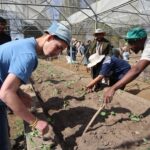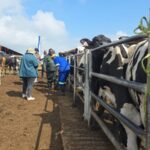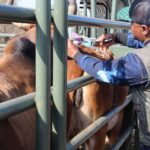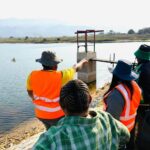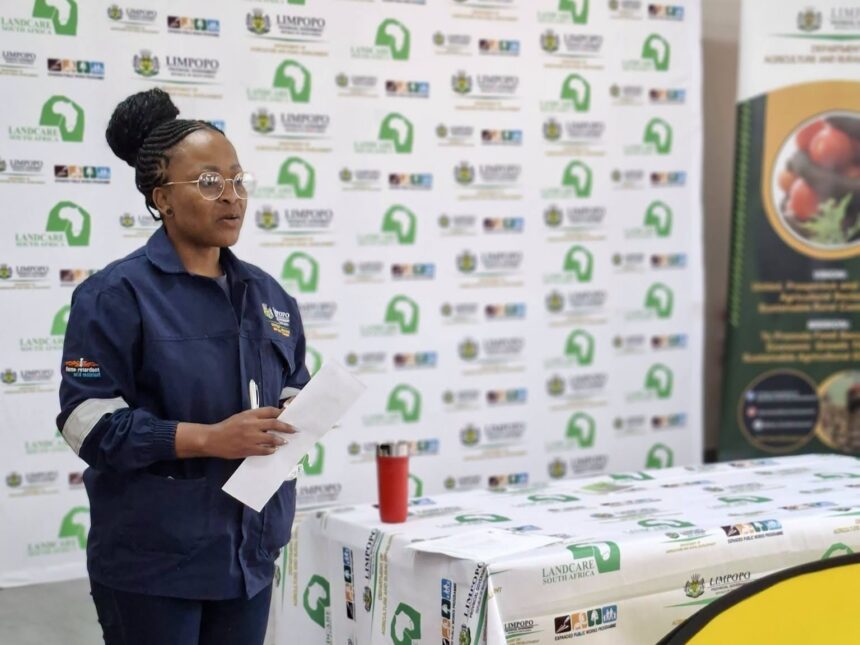
The Department of Agriculture and Rural Development in the Waterberg District successfully hosted a Landcare Day through its Programme 2, Sustainable Resource Management, at the Kwa Litho Ndundza Tribal Office Hall in Rapotokwane under the Bela-Bela Local Municipality. The event brought together farmers, community members and agricultural stakeholders to promote sustainable farming practices and responsible environmental management. Landcare Day served as an important platform for sharing practical knowledge that will help protect natural resources while supporting productive agriculture. As climate change, land degradation and environmental pressures continue to affect farming communities, initiatives such as these play a vital role in preparing farmers for long-term success. By encouraging sustainable land management, the department is helping ensure that South Africa’s agricultural resources remain productive for both present and future generations.
One of the primary objectives of the Landcare Day was to educate participants about the importance of conserving soil, water, vegetation and other natural resources that support agricultural production. Healthy ecosystems form the foundation of successful farming by providing fertile soil, clean water and healthy grazing land for livestock. Without proper conservation practices, valuable agricultural land can become degraded, reducing productivity and increasing production costs for farmers. The event emphasized that environmental conservation and profitable farming are not opposing goals but complementary priorities that work together to strengthen agricultural sustainability. Farmers were encouraged to adopt practices that improve productivity while protecting the natural environment on which agriculture depends.
The educational programme featured presentations from experts within the Department of Agriculture and Rural Development as well as key stakeholders who shared practical knowledge on legislation, conservation and agricultural development. These sessions gave farmers an opportunity to better understand the policies that guide sustainable land management while learning practical techniques they could implement on their own farms. By combining legal requirements with practical farming advice, the event helped bridge the gap between policy and everyday agricultural operations. Such knowledge is particularly valuable for farmers seeking to improve productivity while remaining compliant with environmental regulations. The presentations also created opportunities for discussion, allowing participants to ask questions and gain clarity on issues affecting their farming activities.
Acting Deputy Director for LandCare and Land Use Management in the Waterberg District, Ms. Mulalo Munyai, presented on the Conservation of Agricultural Resources Act (CARA), highlighting its role in protecting South Africa’s agricultural land. Her presentation focused on responsible land use, soil conservation and sustainable farming practices designed to prevent land degradation. Soil remains one of agriculture’s most valuable assets, and maintaining its health is essential for long-term crop production and livestock farming. Farmers were encouraged to implement erosion control measures, protect natural vegetation and manage their land responsibly to preserve its productivity. Effective application of these principles helps maintain healthy farming systems while safeguarding natural resources for future generations.
Environmental conservation was further explored through a presentation by Ms. Keletso Sekgota on the National Forests Act. She explained the importance of protecting indigenous forests and the 51 protected tree species covered under the legislation. Indigenous forests provide essential ecological services, including water regulation, biodiversity conservation and protection against soil erosion. Farmers and community members were encouraged to conserve these natural resources while ensuring compliance with the provisions of the Act. Preserving forests not only supports environmental sustainability but also strengthens agricultural resilience by maintaining healthy ecosystems that benefit surrounding farmland.
Fire management formed another important focus of the Landcare Day through a presentation by Mr. Masilo Mafoko on the National Veld and Forest Fire Act. He emphasized the importance of preventing veld and forest fires through proper planning, preparedness and compliance with fire management regulations. Uncontrolled fires can destroy grazing land, crops, livestock infrastructure and natural vegetation, resulting in significant economic losses for farming communities. Farmers were encouraged to establish firebreaks, participate in local fire protection initiatives and remain vigilant during periods of high fire risk. Proactive fire management helps protect agricultural investments while reducing the impact of wildfires on rural communities.
The event also highlighted the value of combining traditional farming knowledge with modern agricultural innovation. Representing Toowomba Research Station, Ms. Mariam Mantjie encouraged farmers to continue embracing Indigenous Knowledge Systems while integrating them with modern agricultural technologies. Traditional farming practices developed over generations often provide valuable insights into local environmental conditions, crop management and natural resource conservation. When combined with scientific research and modern farming techniques, these practices can improve productivity while promoting sustainability. This balanced approach enables farmers to preserve cultural knowledge while benefiting from advances in agricultural technology.
Supporting farmers beyond production was another key theme of the Landcare Day. Ms. Masedi Madisha from O-Veld concluded the presentations by focusing on agricultural marketing and the importance of managing farming as a business. She introduced farmers to services such as product scaling, traceability and improved market access that can help livestock producers achieve greater value for their products. Her presentation also emphasized the importance of strategic planning, sound financial management and informed decision-making in building successful farming enterprises. By strengthening both production and marketing skills, farmers are better positioned to increase profitability and remain competitive in the agricultural sector.
The successful Landcare Day in Rapotokwane demonstrated the importance of knowledge sharing in building a sustainable and resilient agricultural sector. By bringing together government experts, industry stakeholders and farming communities, the Department of Agriculture and Rural Development created an environment where practical solutions to agricultural and environmental challenges could be shared openly. The event equipped farmers with valuable information on conservation legislation, fire prevention, forest protection, Indigenous Knowledge Systems and agricultural marketing. These lessons will help participants protect natural resources while improving the productivity and sustainability of their farming operations. As South Africa continues to promote sustainable agriculture, initiatives such as Landcare Day remain essential for empowering farmers, preserving the environment and securing a stronger future for agriculture in the Waterberg District and beyond.
Join 'Farmers Mag' WhatsApp Channel
Get the latest Farming news and tips delivered straight to your WhatsApp
CLICK HERE TO JOIN