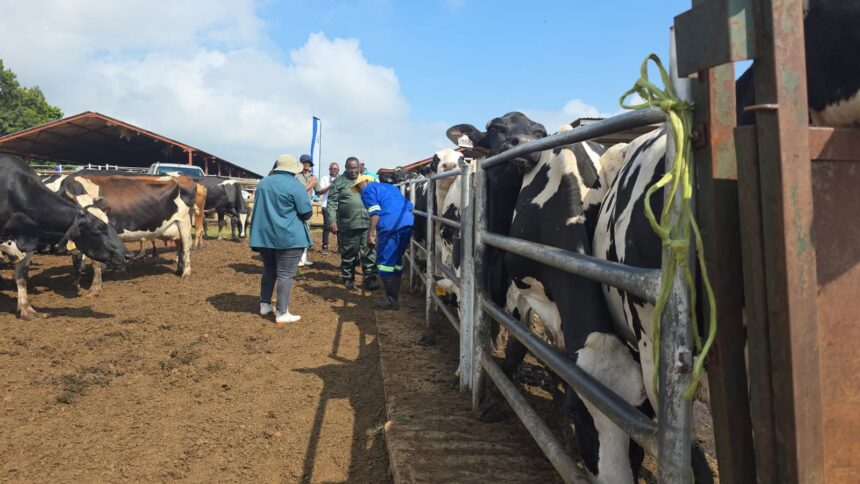
Strict livestock movement restrictions and transport regulations remain in place across Gauteng as authorities continue efforts to control and prevent the spread of Foot and Mouth Disease (FMD). The measures are designed to protect South Africa’s livestock industry by limiting the movement of potentially infected animals and reducing the risk of disease transmission between farms and communities. Farmers, livestock owners and transport operators are urged to remain vigilant and comply fully with all veterinary requirements before moving cattle, sheep, goats or pigs. Foot and Mouth Disease can have serious economic consequences, affecting animal health, market access and farming livelihoods. By following movement controls and maintaining strong biosecurity practices, farmers play a critical role in protecting their own animals and the broader agricultural sector.
Foot and Mouth Disease is a highly contagious viral disease that affects cloven-hoofed animals, including cattle, sheep, goats and pigs. The disease spreads easily through direct contact between infected and healthy animals, contaminated equipment, vehicles, clothing and other materials. Even a single movement of infected livestock can create significant challenges by introducing the disease to previously unaffected areas. This is why strict movement controls are necessary during periods of heightened disease risk. Gauteng livestock owners are encouraged to understand that these regulations are not intended to restrict farming activities but rather to protect animal health, prevent losses and support the long-term sustainability of livestock production.
Before moving any livestock, farmers must ensure they have a valid official movement permit issued by authorized state veterinary officials. The permit system allows veterinary authorities to monitor animal movements and assess potential risks before livestock are transported between locations. Farmers should contact their local state veterinary office in advance to apply for the necessary documentation and confirm whether any restrictions apply to their area. Moving animals without the required permit can result in serious consequences, including legal penalties, fines and quarantine measures. Proper planning and compliance help farmers avoid unnecessary disruptions while supporting national disease control efforts.
Livestock transporters and farmers are also required to follow strict vehicle disinfection and farm biosecurity procedures. Transport vehicles can become a pathway for disease transmission if they are not properly cleaned and disinfected before and after carrying animals. Farmers should ensure that loading areas, equipment and handling facilities are maintained according to recommended hygiene standards. Strong biosecurity measures also include controlling access to farms, monitoring animal health and preventing unnecessary contact between livestock from different locations. These practices reduce the risk of introducing or spreading diseases and help maintain healthier herds and flocks.
Animal identification remains another essential requirement for responsible livestock movement. All cattle, sheep, goats and pigs being transported must carry clear and compliant identification that allows authorities to trace ownership and movement records. Accurate identification supports disease investigations, improves traceability and helps protect farmers against livestock theft and ownership disputes. When animals are properly identified, veterinary officials can respond more effectively during disease outbreaks and implement targeted control measures. Farmers are encouraged to maintain updated livestock records and ensure that identification requirements are met before arranging transportation.
Transporting livestock in violation of movement restrictions or without official documentation can have serious consequences for farmers and the livestock sector as a whole. Authorities have the responsibility to enforce regulations that protect animal health and prevent the spread of FMD to new areas. Non-compliance may result in animals being quarantined, financial penalties being imposed and additional restrictions being placed on affected properties. These measures are necessary to ensure that disease control efforts remain effective and that responsible farmers are not placed at greater risk. Cooperation from all livestock owners is essential for maintaining a strong and secure agricultural industry.
Farm biosecurity has become increasingly important as South Africa continues to manage risks associated with animal diseases. Farmers can strengthen their protection measures by regularly inspecting animals for signs of illness, reporting suspected cases immediately and limiting unnecessary movement on and off their properties. Early detection allows veterinary authorities to respond quickly and reduce the likelihood of wider outbreaks. Farmers should also work closely with local agricultural officials and remain informed about changing regulations and restricted zones. Staying updated ensures that livestock operations remain compliant and prepared during periods of increased disease risk.
The continued enforcement of livestock movement restrictions in Gauteng highlights the importance of collective responsibility in protecting the province’s agricultural sector. Farmers, transport operators and livestock owners all have a role to play in preventing the spread of Foot and Mouth Disease through responsible movement practices and effective biosecurity measures. Obtaining the correct permits, ensuring proper animal identification and following disinfection requirements are essential steps in safeguarding livestock health. These actions protect individual farming businesses while supporting national efforts to maintain a stable and productive livestock industry. By working together with veterinary authorities and complying with regulations, Gauteng’s livestock farmers can help build a more resilient agricultural sector and reduce the threat posed by Foot and Mouth Disease.
Join 'Farmers Mag' WhatsApp Channel
Get the latest Farming news and tips delivered straight to your WhatsApp
CLICK HERE TO JOIN