Agriculture has the power to transform communities by providing nutritious food, creating learning opportunities and improving long-term self-sufficiency. This was demonstrated during a recent outreach initiative by the Mpumalanga Department of Agriculture, Rural Development, Land and Environmental Affairs (DARDLEA), whose Gert Sibande District officials visited the Damersfontein Child and Youth Care Centre outside Lothair in the Msukaligwa Local Municipality. Working in partnership with the Department of Social Development, the department combined agricultural development with community support to strengthen the centre’s ability to produce its own food. Rather than focusing only on immediate assistance, the initiative invested in sustainable food production systems that will continue benefiting the centre well into the future. The project highlights how agriculture can improve food security while empowering institutions that care for vulnerable members of society.
Established in 2021, the Damersfontein Child and Youth Care Centre is the only facility of its kind in the region providing specialised care for children living with disabilities, including Cerebral Palsy. The centre currently cares for 32 children who depend on consistent access to nutritious meals and a safe, supportive environment. Maintaining quality care requires sustainable solutions that reduce operating costs while improving food availability. Developing a productive food garden is one of the most effective ways to achieve these goals because it provides a continuous supply of fresh vegetables while creating valuable educational opportunities. Agricultural projects within care centres also demonstrate how farming can improve quality of life beyond traditional commercial production.
To strengthen the centre’s food production capacity, DARDLEA donated vegetable seedlings and gardening tools that will enable staff to establish and expand a productive food garden. Fresh vegetables grown on-site will supplement daily meals, improve nutrition and reduce expenditure on purchased produce. Home and institutional food gardens have become increasingly important as rising food prices place greater pressure on household and organisational budgets. By producing food locally, institutions become more resilient while ensuring greater access to healthy and affordable produce. The initiative demonstrates that even relatively small agricultural investments can deliver lasting benefits when combined with proper planning and ongoing support.
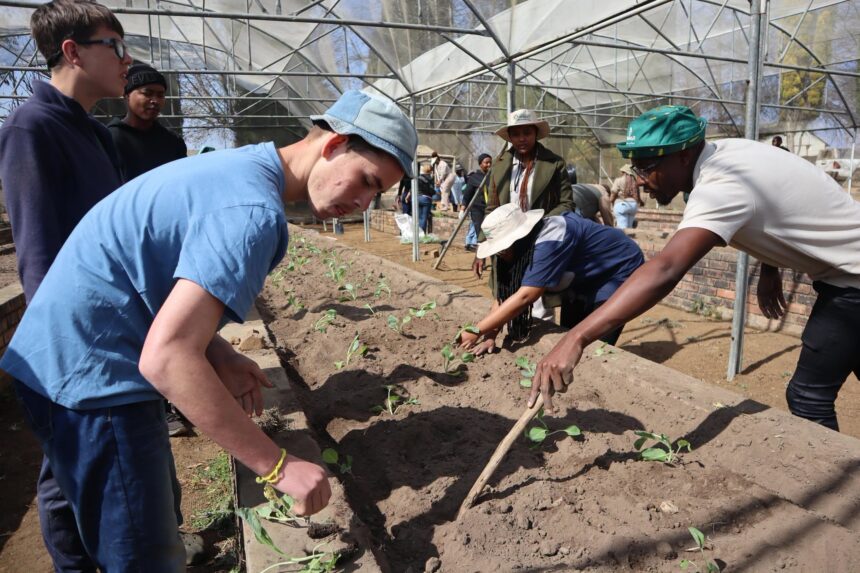
Departmental officials worked alongside staff by planting vegetable seedlings and citrus trees that will provide both short-term and long-term food production. While vegetables can supply regular harvests throughout the growing season, citrus trees represent a longer-term investment that will continue producing fruit for many years. Combining annual crops with perennial fruit trees creates a more diverse and sustainable production system capable of supplying a wider range of nutritious food. Such integrated food gardens also improve biodiversity and make better use of available land. This balanced approach reflects sound agricultural planning that can be replicated by schools, clinics and community organisations across the country.
An important feature of the outreach programme was the practical training provided through composting and seedling cultivation workshops. Composting enables institutions to recycle organic waste into nutrient-rich compost that improves soil health while reducing waste disposal costs. Healthy soils produce healthier crops, making compost one of the most valuable resources for sustainable food production. Participants also learned how to raise seedlings, allowing the centre to produce future planting material instead of purchasing new seedlings for every growing season. These practical skills improve the long-term sustainability of the garden while encouraging environmentally responsible farming practices.
Beyond establishing the garden, officials also conducted a clean-up campaign to improve the growing environment and create an attractive, productive space around the centre. Well-maintained gardens support healthier crop production by reducing weed pressure and creating better growing conditions for vegetables and fruit trees. Clean surroundings also contribute to a safer and more welcoming environment for children, caregivers and visitors. The combination of environmental management and food production demonstrates the close relationship between conservation and successful agriculture. Sustainable farming begins with healthy, well-managed land regardless of the size of the production area.
While agriculture formed the foundation of the initiative, officials also donated clothing, toiletries, sanitary towels, fruit and food parcels to assist with the children’s immediate daily needs. These donations complemented the agricultural support by addressing essential requirements while the newly established food garden develops into a productive source of fresh produce. This balanced approach recognises that sustainable development combines immediate assistance with long-term solutions that promote independence. Strengthening food production while supporting daily wellbeing creates a stronger foundation for institutions that care for vulnerable communities. Agriculture therefore becomes an important contributor to both nutrition and overall quality of life.
One of the most significant outcomes of the initiative is DARDLEA’s commitment to continue providing agricultural advisory services to the Damersfontein Child and Youth Care Centre. Ongoing technical support will help ensure that the garden remains productive, sustainable and capable of meeting the centre’s future food requirements. Access to agricultural expertise allows institutions to improve crop management, respond to seasonal challenges and maximise production from available land. Continued mentorship also builds confidence among those responsible for maintaining the garden and encourages the adoption of improved farming practices. Long-term advisory support often determines whether community food gardens continue to thrive well beyond their initial establishment.
The Damersfontein initiative demonstrates how agriculture can create lasting change by combining practical farming knowledge with community development. Through vegetable production, fruit tree planting, composting, seedling cultivation and ongoing technical support, the Mpumalanga Department of Agriculture, Rural Development, Land and Environmental Affairs has laid the foundation for a more sustainable future at the centre. The project illustrates that food gardens are not only a source of fresh produce but also powerful tools for education, resilience and self-reliance. It also provides a practical model that can be adopted by schools, healthcare facilities and community organisations seeking to improve food security. By investing in sustainable agriculture and sharing farming knowledge, the department is helping cultivate healthier communities while demonstrating the lasting value of agriculture beyond the farm gate.
Join 'Farmers Mag' WhatsApp Channel
Get the latest Farming news and tips delivered straight to your WhatsApp
CLICK HERE TO JOIN