Preparing for a successful poultry production season requires more than purchasing quality birds and maintaining suitable facilities. It also depends on continuous learning, strong management practices and reliable partnerships that support farmers throughout every stage of production. Tshabalala Farming is demonstrating this commitment by investing in skills development as it prepares to welcome its second batch of Point-of-Lay chickens. The farm recently organized a training session for its team to ensure everyone is equipped with the knowledge needed to maintain high production standards and protect the health of the flock. This proactive approach highlights the importance of education and collaboration in building a successful and sustainable poultry business.
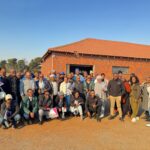
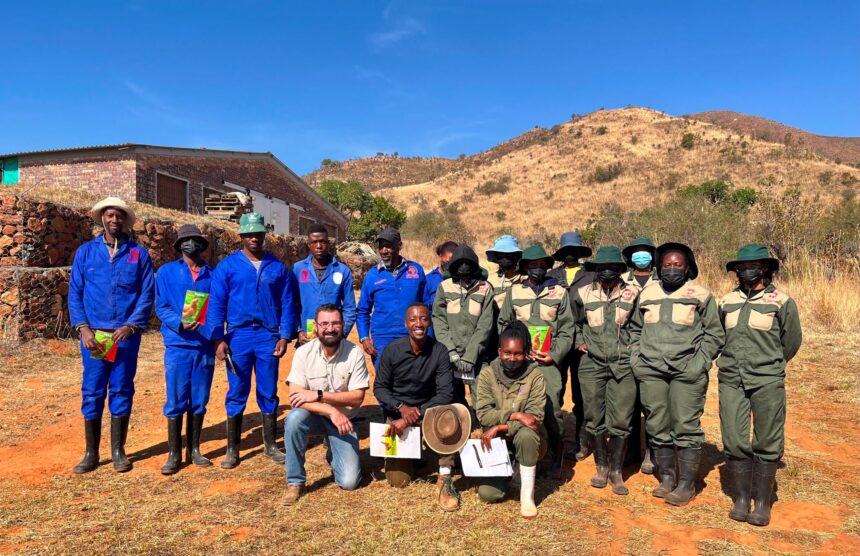
As preparations continued for the arrival of the new flock in the early hours of the following day, Tshabalala Farming invited Zak Van Aswegen from ALZU Feeds to provide practical training for the entire team. The session focused on refreshing essential poultry management skills while empowering employees with the latest best practices in commercial egg production. Continuous training helps ensure that every team member understands their responsibilities and can respond effectively to the daily demands of managing a healthy flock. Investing in employee development also strengthens confidence, improves consistency and reduces the likelihood of costly mistakes. By prioritizing knowledge sharing, the farm is laying the foundation for another productive production cycle.
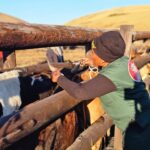
One of the key areas covered during the training was the proper handling of chickens. Correct handling techniques are essential for reducing stress, preventing injuries and maintaining the overall welfare of the birds. Birds that experience less stress are generally healthier and more productive, which directly benefits egg production and farm profitability. Team members were reminded of the importance of calm, careful handling during transportation, placement and daily management activities. These simple but essential practices contribute to better animal welfare while improving overall farm performance.
Biosecurity formed another major component of the training program. Effective biosecurity measures help protect poultry farms from diseases that can spread rapidly and cause significant financial losses. Strict control over visitor access, proper sanitation procedures, regular equipment cleaning and appropriate protective clothing all reduce the risk of introducing harmful pathogens into poultry houses. Employees play a critical role in maintaining these standards because biosecurity depends on consistent daily practices rather than occasional interventions. Strengthening biosecurity not only protects the current flock but also supports the long-term sustainability of the farming operation.
Record keeping was also emphasized as an essential part of successful poultry management. Accurate records allow farmers to monitor production levels, feed consumption, egg output, mortality rates, vaccination schedules and overall flock performance. By maintaining detailed information, farmers can identify trends, detect potential problems early and make informed management decisions. Reliable records also support financial planning by helping producers understand production costs and profitability. Good record keeping has become an increasingly valuable management tool for modern poultry enterprises seeking continuous improvement.
The arrival of a second batch of Point-of-Lay chickens represents another important milestone in the growth of Tshabalala Farming. Point-of-Lay chickens are young hens that are close to beginning egg production, allowing farmers to enter the production phase relatively quickly. Successfully managing these birds from arrival through the laying period requires careful attention to nutrition, housing, lighting and health management. Proper preparation before the birds arrive reduces stress and helps them adapt more easily to their new environment. Early management decisions often have a lasting impact on productivity throughout the laying cycle.
Nutrition remains one of the most important factors influencing poultry production, making partnerships with experienced feed suppliers especially valuable. ALZU Feeds continues to support farmers by providing not only quality feed products but also technical expertise that contributes to improved farm performance. Training provided by industry specialists helps producers stay informed about current management practices and nutritional requirements. Strong relationships between farmers and agricultural service providers create opportunities for ongoing learning and continuous improvement. These partnerships often become a key factor in the long-term success of commercial farming businesses.
According to Sizo Tshabalala of Tshabalala Farming, the farm’s previous production successes have been made possible through collaboration with institutions that consistently invest in the business’s growth. This highlights the importance of building lasting partnerships within the agricultural sector. Support from industry organizations, suppliers, training providers and development partners enables farmers to strengthen their technical knowledge while improving operational efficiency. Access to expert guidance allows producers to overcome challenges more effectively and adopt new practices that increase productivity. Such partnerships demonstrate how collaboration can accelerate agricultural development and strengthen rural enterprises.
Beyond improving farm performance, the continued growth of Tshabalala Farming has broader benefits for the surrounding community and the country. Expanding poultry production contributes to local food security by increasing the supply of fresh eggs while supporting employment opportunities within rural areas. Successful farming businesses also stimulate economic activity by purchasing feed, equipment, veterinary services and other agricultural inputs from local suppliers. As farms grow, they create opportunities for additional investment and skills development throughout the agricultural value chain. Sustainable farming operations therefore play an important role in supporting both local livelihoods and national agricultural development.
The preparations underway at Tshabalala Farming reflect a clear commitment to excellence, continuous learning and responsible poultry production. By investing in staff training, strengthening biosecurity, improving record keeping and working closely with trusted partners such as ALZU Feeds, the farm is positioning itself for another successful production season. Sizo Tshabalala’s recognition of the value of strong institutional partnerships underscores the importance of collaboration in modern agriculture. As the second batch of Point-of-Lay chickens arrives, the farm looks forward to unlocking new opportunities while continuing to add value to its community and South Africa’s agricultural sector. This commitment to growth, education and partnership provides a strong example of how strategic preparation can support long-term success in commercial poultry farming.
Join 'Farmers Mag' WhatsApp Channel
Get the latest Farming news and tips delivered straight to your WhatsApp
CLICK HERE TO JOIN