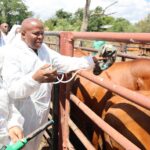
South Africa continues to intensify its efforts to protect the country’s livestock industry through an ongoing nationwide Foot-and-Mouth Disease (FMD) vaccination programme. The campaign highlights a simple but powerful message that every vaccination counts and every farm matters in preventing the spread of this highly contagious animal disease. By combining widespread vaccination with strict biosecurity measures, government aims to reduce new infections, protect livestock and support the long-term sustainability of the agricultural sector. The success of the programme depends not only on veterinary services but also on the active participation of livestock farmers across the country. Working together is essential to safeguarding animal health, protecting rural livelihoods and maintaining confidence in South Africa’s livestock industry.
Foot-and-Mouth Disease is one of the most economically significant diseases affecting cloven-hoofed animals such as cattle, sheep, goats and pigs. The disease spreads rapidly through direct contact between animals, contaminated equipment, vehicles and even clothing used on infected farms. Although Foot-and-Mouth Disease does not generally pose a threat to human health, its impact on livestock production can be severe. Infected animals often experience fever, painful blisters in the mouth and on the feet, reduced appetite and lower productivity. These effects result in financial losses for farmers while disrupting livestock production and trade throughout the agricultural value chain.
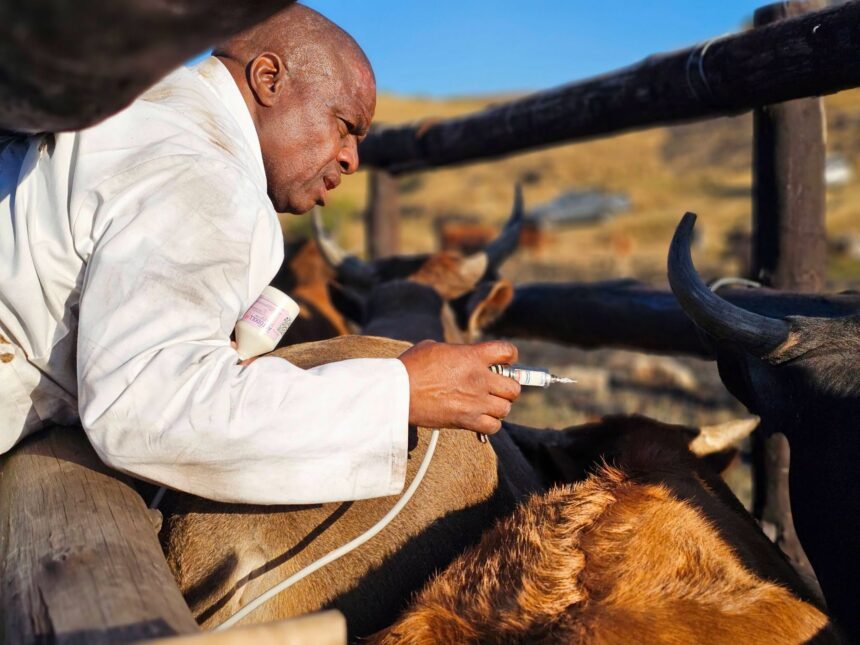
The nationwide vaccination programme forms the cornerstone of South Africa’s strategy to contain Foot-and-Mouth Disease outbreaks. Vaccination helps build immunity within livestock populations, making it more difficult for the virus to spread between animals. As more animals receive the vaccine, the overall level of protection within farming communities increases, reducing the likelihood of widespread outbreaks. This collective protection becomes especially important in areas where livestock movement and close animal contact increase the risk of disease transmission. Every eligible animal vaccinated contributes to strengthening the country’s overall disease control efforts.
Government has continued to expand vaccination campaigns across affected provinces by deploying veterinary teams to commercial farms, communal farming areas and rural communities. These teams work closely with livestock owners to ensure that eligible animals receive their vaccinations according to the recommended schedules. Vaccination campaigns require careful planning, coordination and ongoing monitoring to maximise coverage and effectiveness. Farmers play an essential role by making their livestock available for vaccination and cooperating fully with veterinary officials. Strong partnerships between government and farming communities remain critical to the success of the programme.
While vaccination provides an important layer of protection, it is most effective when combined with strict biosecurity measures. Biosecurity refers to the practices that prevent diseases from entering or spreading within livestock farms. Farmers are encouraged to limit unnecessary livestock movements, isolate newly purchased animals, maintain clean equipment and vehicles and restrict unauthorised access to their farms. Good hygiene practices and careful monitoring of animal health can significantly reduce the risk of disease transmission. Biosecurity should become part of every farmer’s daily management routine rather than only during disease outbreaks.
Farmers are also encouraged to remain vigilant by regularly inspecting their livestock for any signs of illness. Early detection of Foot-and-Mouth Disease allows veterinary authorities to respond quickly before the disease spreads to neighbouring farms. Animals showing symptoms such as excessive drooling, mouth lesions, foot blisters or lameness should be reported immediately to veterinary services. Prompt reporting helps authorities investigate suspected cases, implement movement controls where necessary and protect surrounding livestock populations. Fast action can prevent isolated cases from developing into larger outbreaks that threaten entire farming regions.
The economic importance of controlling Foot-and-Mouth Disease extends far beyond individual farms. South Africa’s livestock sector supports thousands of jobs while contributing significantly to food production, rural development and export earnings. Disease outbreaks can result in restrictions on animal movements and temporary limitations on access to valuable domestic and international markets. Maintaining effective disease control systems helps preserve South Africa’s reputation as a producer of healthy livestock and quality animal products. Protecting market access also strengthens farmer incomes and supports the long-term growth of the agricultural economy.
Effective disease control contributes directly to national food security by protecting the health and productivity of livestock populations. Healthy cattle, sheep, goats and pigs provide reliable supplies of meat, milk and other animal products that are essential for households across the country. Preventing disease outbreaks reduces production losses while helping maintain stable food supplies and reasonable market prices. Strong livestock health programmes therefore benefit both producers and consumers. Continued investment in vaccination and disease prevention remains an important part of building a resilient agricultural sector.
The message behind the nationwide campaign is clear that every vaccination counts and every farm matters. Every livestock owner has a responsibility to support vaccination programmes, implement strong biosecurity practices and work closely with veterinary professionals to protect the country’s animals. Collective action strengthens South Africa’s ability to control Foot-and-Mouth Disease while protecting livelihoods and preserving valuable agricultural markets. Government’s continued commitment to vaccination demonstrates the importance of proactive disease prevention rather than responding only after outbreaks occur. By working together, farmers, veterinary services and government can help keep South Africa’s livestock healthy, safeguard food security and ensure a stronger future for the country’s livestock industry.
Join 'Farmers Mag' WhatsApp Channel
Get the latest Farming news and tips delivered straight to your WhatsApp
CLICK HERE TO JOIN