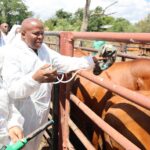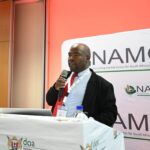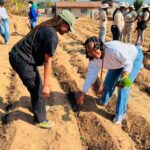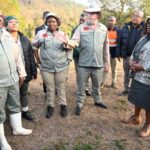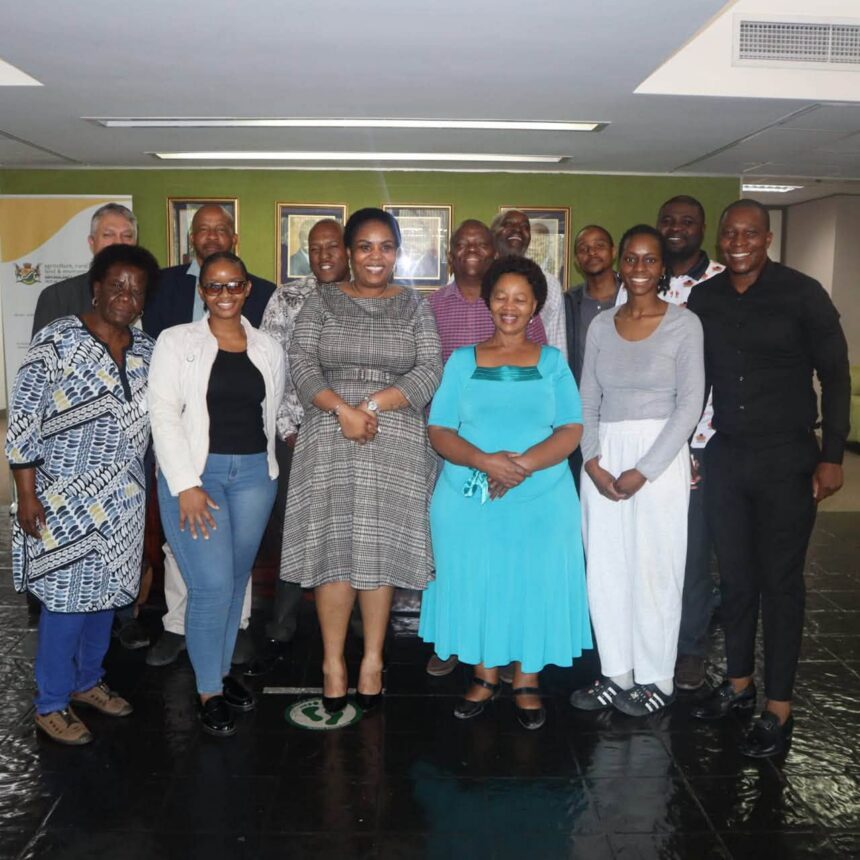
The Mpumalanga Department of Agriculture, Rural Development, Land and Environmental Affairs is reinforcing its commitment to building a more resilient and sustainable agricultural sector through strategic partnerships with key industry stakeholders. Yesterday, the department convened a series of meetings with Mpumalanga Hemp Empowerment & Investment Holdings, FEADT-SA, B10 Char Holdings and the Agricultural School Development (ASD). These engagements focused on identifying opportunities for collaboration that will promote sustainable agricultural practices, strengthen farming resilience and improve food security across the province. By bringing together organisations with diverse expertise, the department aims to develop practical solutions to the challenges facing agriculture. The initiative reflects a growing recognition that long-term agricultural success depends on strong partnerships between government, private organisations and educational institutions.
Agriculture remains one of the most important drivers of economic growth and rural development in Mpumalanga. The province is home to a wide range of farming activities, including crop production, livestock farming, forestry and horticulture, all of which contribute significantly to employment and food production. However, farmers continue to face challenges such as climate change, water scarcity, rising production costs and changing market demands. Addressing these issues requires innovative approaches supported by collaboration and knowledge sharing. The meetings provided an opportunity for stakeholders to exchange ideas and identify practical strategies that can strengthen the agricultural sector while protecting natural resources.
One of the central themes of the discussions was the promotion of sustainable agricultural practices. Sustainable farming focuses on producing food while conserving soil, water and biodiversity for future generations. Farmers are increasingly encouraged to adopt practices that improve soil fertility, reduce environmental impacts and make more efficient use of available resources. Techniques such as conservation agriculture, responsible water management, climate-smart farming and improved land stewardship can increase productivity while protecting ecosystems. Through collaboration with its partners, the department aims to support the wider adoption of these practices across Mpumalanga.
Building farming resilience was another important objective of the meetings. Agricultural resilience refers to the ability of farmers and farming systems to withstand environmental, economic and social challenges while continuing to produce food and generate income. Climate variability, prolonged droughts, extreme weather events and market fluctuations have made resilience an essential component of modern agriculture. Stakeholders discussed the importance of equipping farmers with the knowledge, technologies and support systems needed to adapt to changing conditions. Strengthening resilience helps ensure that farming businesses remain productive even during difficult periods.
Food security also featured prominently during the engagements. Reliable food production depends on healthy farming systems that can consistently supply safe and nutritious food to communities. By promoting sustainable production methods and strengthening agricultural development, the department hopes to improve food availability while supporting local economies. Increased agricultural productivity also creates employment opportunities and contributes to household incomes, particularly in rural communities. Collaborative initiatives that improve farming efficiency therefore have benefits that extend beyond individual farms to the wider society.
The participation of Mpumalanga Hemp Empowerment & Investment Holdings highlighted the growing interest in exploring new agricultural opportunities that support economic development while encouraging environmental sustainability. Hemp continues to attract attention for its wide range of potential applications across industries, including agriculture, manufacturing and environmental management. Discussions involving hemp development may contribute to future opportunities for farmers seeking to diversify production and participate in emerging value chains. Responsible development of alternative agricultural industries can create additional income streams while supporting rural economic growth. Continued engagement between stakeholders will be important in exploring these opportunities responsibly.
The involvement of Agricultural School Development underscored the importance of education and skills development in securing the future of agriculture. Encouraging young people to pursue agricultural careers helps build the next generation of farmers, researchers and industry professionals. Agricultural education equips learners with practical knowledge, technical skills and an understanding of sustainable farming practices that will be increasingly valuable in the years ahead. Partnerships between government and educational organisations create opportunities to strengthen agricultural training while encouraging innovation among young people. Investing in agricultural education is an investment in the long-term success of the farming sector.
Collaboration with organisations such as FEADT-SA and B10 Char Holdings also demonstrates the value of bringing together different areas of expertise to address shared challenges. Each partner contributes unique knowledge, resources and perspectives that can strengthen agricultural development initiatives. Working together allows stakeholders to identify practical solutions that may not be possible through isolated efforts. Partnerships also encourage the sharing of research, technology and best practices that benefit farmers across the province. Strong cooperation creates a foundation for more effective responses to the evolving needs of the agricultural sector.
Mpumalanga MEC for Agriculture, Rural Development, Land and Environmental Affairs, Khethiwe Moeketsi, expressed optimism about the opportunities that these partnerships can create. She stated that the department looks forward to collaborating with all partners to address industry challenges while creating a thriving and environmentally friendly future for agriculture. This commitment reflects the department’s broader vision of strengthening agricultural sustainability through cooperation, innovation and shared responsibility. Building long-term partnerships will help ensure that farmers receive the support needed to adapt, grow and remain competitive. Such collaboration also reinforces the province’s commitment to responsible environmental management alongside agricultural development.
The meetings held yesterday mark an important step towards building a stronger and more sustainable agricultural sector in Mpumalanga. By engaging with Mpumalanga Hemp Empowerment & Investment Holdings, FEADT-SA, B10 Char Holdings and Agricultural School Development, the Department of Agriculture, Rural Development, Land and Environmental Affairs is creating opportunities to promote sustainable farming practices, improve resilience and strengthen food security. These partnerships recognise that the future of agriculture depends on collaboration between government, industry and educational institutions. As stakeholders continue working together to address current and emerging challenges, they will help create a more productive, inclusive and environmentally responsible agricultural sector. Through continued cooperation and innovation, Mpumalanga is positioning itself to support farmers while building a thriving and sustainable future for generations to come.
Join 'Farmers Mag' WhatsApp Channel
Get the latest Farming news and tips delivered straight to your WhatsApp
CLICK HERE TO JOIN