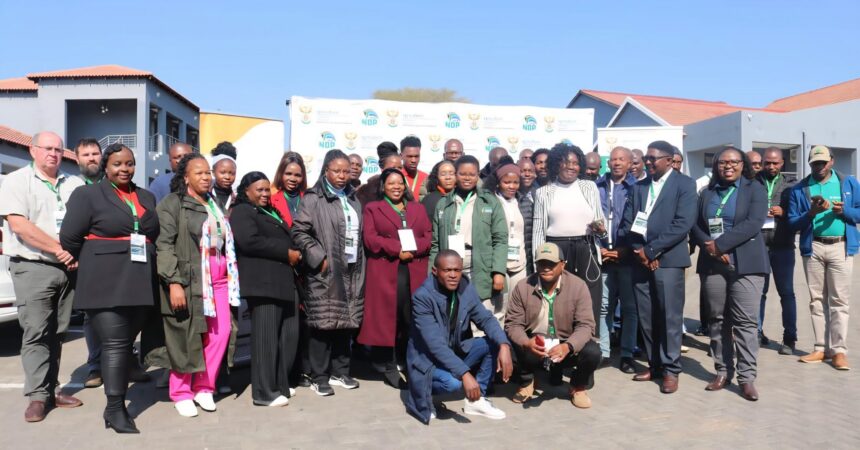
Awareness and compliance with plant health regulations continue to play a vital role in protecting South Africa’s agricultural sector and ensuring the long-term success of local farmers. This important message was reinforced during a recently held Provincial Consultation and Awareness Workshop on Plant Health Regulations in Emalahleni. The workshop, led by the national Department of Agriculture, brought together farmers, extension officers and other agricultural stakeholders to discuss the implementation of plant health regulations and their impact on crop production. Participants explored how effective compliance can safeguard agricultural productivity, protect the environment and improve food security across Mpumalanga. The event also highlighted the importance of maintaining high plant health standards to ensure that farmers remain competitive in both domestic and international markets.
Plant health regulations form the foundation of a resilient agricultural system by preventing the spread of harmful pests and plant diseases. These regulations establish clear guidelines that help farmers identify risks early, respond effectively to outbreaks and maintain healthy crop production systems. Without proper compliance, invasive pests and diseases can spread rapidly, causing significant economic losses and threatening food supplies. The workshop emphasized that protecting crops begins with strong preventative measures supported by sound legislation and informed farming practices. Participants were reminded that maintaining healthy plants not only benefits individual farms but also protects neighbouring agricultural operations and the broader environment.
A major focus of the workshop was the implementation of the Plant Health Act and its associated regulations. Officials from the national Department of Agriculture provided detailed presentations explaining the legal framework that governs plant health management in South Africa. They outlined the responsibilities of farmers, extension officers and other industry stakeholders in ensuring compliance with national standards. Discussions covered the practical application of these regulations and how they contribute to the country’s ability to prevent the introduction and spread of harmful plant pests and diseases. By improving understanding of these legal requirements, the workshop aimed to strengthen compliance throughout Mpumalanga’s agricultural sector.
Pest and disease surveillance was another important topic discussed during the consultation. Early detection remains one of the most effective methods for controlling outbreaks before they become widespread. Workshop presenters explained how regular monitoring of crops allows farmers to identify unusual symptoms quickly and report potential threats to the relevant authorities. Extension officers were encouraged to continue supporting farming communities through education, inspections and technical advice. Effective surveillance systems help reduce production losses while protecting valuable agricultural resources and preserving biodiversity across farming regions.
The workshop also provided detailed guidance on import and export requirements, highlighting the importance of complying with international plant health standards. Farmers who produce crops for export markets must meet strict phytosanitary requirements to ensure their products are free from regulated pests and diseases. Officials explained how proper compliance with these standards helps maintain South Africa’s reputation as a reliable supplier of high-quality agricultural products. Participants learned about documentation requirements, inspection procedures and the importance of maintaining traceability throughout the production process. These measures are essential for protecting export opportunities and strengthening the competitiveness of Mpumalanga’s agricultural products in global markets.
Phytosanitary certification was another key subject addressed during the workshop. This certification serves as official confirmation that agricultural products meet the plant health requirements of importing countries. Farmers were informed about the certification process and the role it plays in facilitating international trade while reducing the risk of spreading harmful organisms across borders. Officials emphasized that obtaining the correct certification requires adherence to approved production practices and successful inspection processes. By understanding these requirements, farmers can improve their readiness to participate in export markets while supporting the integrity of South Africa’s agricultural trade.
The consultation also created an important platform for open dialogue among stakeholders. Farmers, extension officers and industry representatives shared the practical challenges they experience when implementing plant health regulations on farms. These discussions covered issues such as limited resources, changing pest pressures and the need for ongoing training and technical support. Participants also contributed valuable recommendations on practical approaches that could strengthen compliance while remaining achievable for farming operations of different sizes. This collaborative approach ensured that the workshop addressed real-world challenges while encouraging solutions developed through shared experience and cooperation.
Improving market access for locally produced crops emerged as one of the significant benefits of stronger plant health compliance. Buyers in both domestic and international markets increasingly expect agricultural products to meet strict safety and quality standards. Compliance with plant health regulations helps build confidence among consumers, retailers and trading partners by demonstrating that crops have been produced according to recognised standards. Farmers who consistently meet these requirements are often better positioned to access new markets, expand their customer base and achieve improved financial returns. Strong compliance therefore supports both agricultural sustainability and economic growth within the province.
The Provincial Consultation and Awareness Workshop on Plant Health Regulations demonstrated the importance of cooperation between government, farmers and industry stakeholders in strengthening South Africa’s agricultural sector. By providing practical guidance on the Plant Health Act, pest and disease surveillance, phytosanitary certification and import and export requirements, the workshop equipped participants with valuable knowledge to improve compliance. The discussions also reinforced that effective plant health management protects agricultural production, safeguards the environment and contributes directly to food security. As Mpumalanga farmers continue to adopt best practices and comply with national regulations, they will be better positioned to improve productivity and compete successfully in increasingly demanding local and international markets. Continued awareness, education and collaboration will remain essential in building a resilient and sustainable agricultural industry for the future.
Join 'Farmers Mag' WhatsApp Channel
Get the latest Farming news and tips delivered straight to your WhatsApp
CLICK HERE TO JOIN