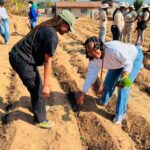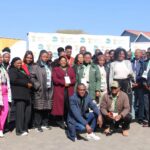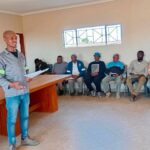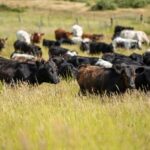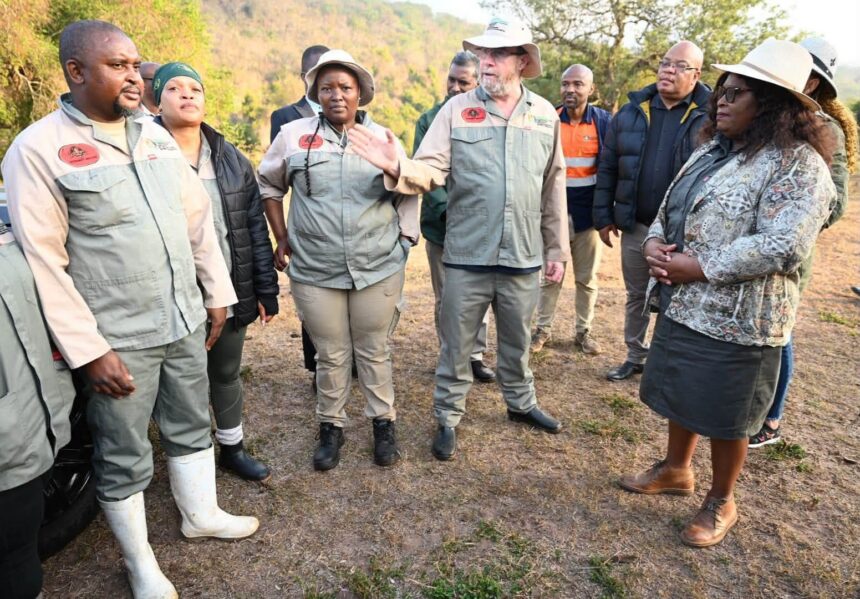
KwaZulu-Natal continues to strengthen its fight against Foot-and-Mouth Disease through an extensive province-wide vaccination programme aimed at protecting livestock and supporting the agricultural economy. As part of Operation Sukuma Sakhe, the KwaZulu-Natal MEC for Agriculture and Rural Development, Hon. Thembeni KaMadlopha-Mthethwa, visited the Izinsimbi Dip Tank in Doringkop, located in the iLembe District, to oversee the ongoing Foot-and-Mouth Disease mass vaccination campaign. The visit highlighted the provincial government’s commitment to limiting the spread of the disease and safeguarding the livelihoods of livestock farmers. The iLembe District is the eighth district to be included in the Department’s comprehensive vaccination rollout, marking another important step in the province’s disease control strategy. By extending the campaign to more communities, the department aims to protect animal health while strengthening confidence in the livestock sector.
Foot-and-Mouth Disease is one of the most serious viral diseases affecting cloven-hoofed animals, including cattle, sheep, goats and pigs. Although the disease rarely affects humans, it spreads rapidly among animals through direct contact, contaminated equipment and the movement of infected livestock. Infected animals often develop painful blisters in the mouth and on their feet, making it difficult for them to eat, walk and maintain normal production levels. The disease can lead to significant economic losses through reduced productivity, movement restrictions and disruptions to domestic and international livestock trade. For this reason, rapid vaccination and effective disease management remain essential components of animal health programmes.
The province-wide vaccination campaign forms part of a broader response to contain Foot-and-Mouth Disease and prevent further outbreaks across KwaZulu-Natal. Veterinary teams continue to travel to farming communities to vaccinate livestock while working closely with local farmers to ensure maximum participation. Vaccination helps reduce the spread of the virus by increasing immunity within livestock populations and lowering the risk of new infections. Although vaccination alone does not eliminate the disease, it plays a critical role when combined with surveillance, movement controls and responsible farm management practices. The department’s coordinated approach reflects its determination to protect both commercial and communal farming sectors.
The inclusion of the iLembe District as the eighth district in the vaccination programme demonstrates the steady progress of the provincial rollout. Each district presents unique farming conditions and livestock populations, requiring careful planning and cooperation between veterinary officials and local communities. By expanding the campaign district by district, the department can monitor progress, address emerging challenges and ensure that vaccination targets are met effectively. The presence of the MEC at the Izinsimbi Dip Tank also reinforced the importance of government leadership in responding to animal health threats. Such visits provide reassurance to farmers that protecting livestock remains a provincial priority.
Operation Sukuma Sakhe continues to serve as an important platform for delivering government services directly to communities. The programme promotes collaboration between different government departments to improve service delivery while addressing local development challenges. Through this initiative, veterinary services can engage directly with livestock owners, provide education on disease prevention and encourage responsible animal management practices. Farmers are also given the opportunity to raise concerns and receive practical guidance from animal health professionals. This direct engagement strengthens relationships between farming communities and government while improving awareness of disease control measures.
The vaccination campaign also highlights the importance of communal infrastructure such as dip tanks in supporting livestock health programmes. Facilities like the Izinsimbi Dip Tank provide central locations where large numbers of animals can be brought together for vaccination, inspection and other veterinary interventions. These facilities have long played an important role in controlling livestock diseases by making animal health services more accessible to rural communities. Their continued use during the Foot-and-Mouth Disease campaign allows veterinary teams to operate efficiently while reaching as many farmers as possible. Strong community participation remains essential to the success of these vaccination efforts.
Protecting livestock from Foot-and-Mouth Disease has benefits that extend far beyond individual farms. Healthy livestock contribute to improved food security by ensuring stable supplies of meat, milk and other animal products. Disease-free herds also support household incomes, particularly in rural communities where livestock represent valuable economic assets. Effective disease control helps preserve market access by demonstrating that government and producers are committed to maintaining high animal health standards. This strengthens the competitiveness of South Africa’s livestock industry while protecting jobs throughout the agricultural value chain.
The ongoing vaccination campaign also provides an opportunity to educate farmers about biosecurity measures that help prevent future disease outbreaks. Farmers are encouraged to monitor their animals regularly for signs of illness, report suspected cases immediately and follow movement restrictions where necessary. Good farm hygiene, controlled livestock movement and close cooperation with veterinary officials remain essential components of disease prevention. Continued education helps farmers understand that vaccination works best when combined with responsible livestock management. These practices contribute to stronger disease surveillance systems and faster responses whenever new risks emerge.
The expansion of the Foot-and-Mouth Disease vaccination campaign to the iLembe District marks another important milestone in KwaZulu-Natal’s efforts to protect its livestock industry. Through the leadership of Hon. Thembeni KaMadlopha-Mthethwa and the continued implementation of Operation Sukuma Sakhe, the province is demonstrating its commitment to safeguarding animal health and supporting farming communities. The inclusion of iLembe as the eighth district in the vaccination rollout reflects the department’s determination to reach livestock owners across the province with essential veterinary services. As the campaign continues, cooperation between government, veterinary professionals and farmers will remain critical to limiting the spread of Foot-and-Mouth Disease. These collective efforts will help strengthen agricultural production, protect rural livelihoods and support the long-term sustainability of KwaZulu-Natal’s livestock sector.
Join 'Farmers Mag' WhatsApp Channel
Get the latest Farming news and tips delivered straight to your WhatsApp
CLICK HERE TO JOIN