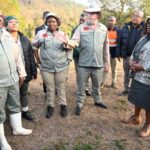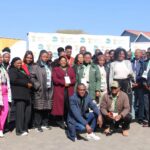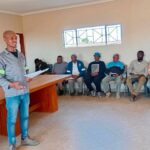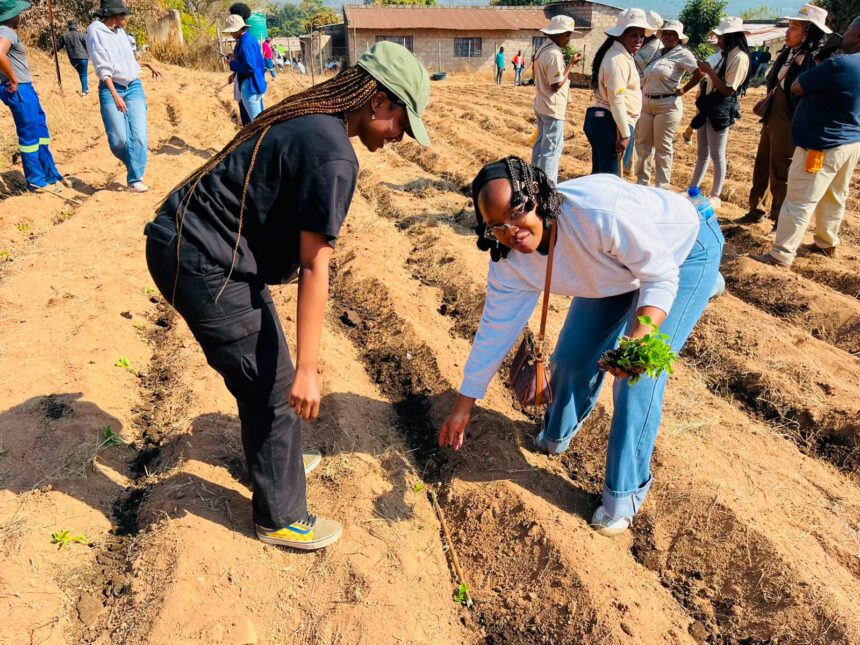
The Mpumalanga Department of Agriculture, Rural Development, Land and Environmental Affairs (DARDLEA) has strengthened its commitment to community development by fulfilling a long-standing promise to support the Vezokuhle Multi-Purpose Centre in KaMajika near Hazyview. Officials from the department’s Ehlanzeni District spent the day at the centre establishing a community food garden that will help improve food security and provide fresh produce for daily meals. The initiative formed part of the department’s Mandela Month programme, which encourages acts of service that create lasting benefits for communities. Alongside the food garden, officials donated essential gardening equipment and seedlings to ensure the project can be maintained well into the future. The initiative demonstrates how partnerships between government departments and local communities can make a meaningful difference in improving the lives of vulnerable people.
The Vezokuhle Multi-Purpose Centre plays an important role in supporting the well-being of more than 500 beneficiaries between the ages of six and 59 years. The centre provides a wide range of services that address both immediate and long-term community needs. These include drop-in services for vulnerable individuals, Community Nutrition and Development Services that help improve access to nutritious meals and skills development programmes that empower participants with practical knowledge for future opportunities. The centre serves as a safe and supportive environment where children, young people and adults can receive assistance that improves their quality of life. Its continued success depends on strong partnerships and ongoing support from government, community organisations and other stakeholders.
The establishment of the community food garden represents one of the most valuable contributions made during the visit. Community gardens provide a sustainable source of fresh vegetables that can significantly improve the nutritional quality of meals served to beneficiaries. Instead of relying entirely on purchased food supplies, the centre will now have the opportunity to grow some of its own produce throughout the year. This not only reduces food costs but also promotes healthy eating habits by increasing access to fresh vegetables. The project creates a lasting resource that will continue to benefit the centre long after Mandela Month activities have concluded.
To support the success of the garden, officials donated a variety of garden tools and seedlings that will assist with planting, maintenance and future harvesting. These resources are essential for ensuring that the food garden remains productive and sustainable over time. Proper gardening equipment allows staff and community volunteers to care for the crops more efficiently while creating opportunities for beneficiaries to participate in gardening activities. The donated seedlings provide the foundation for establishing a productive vegetable garden capable of supplying nutritious food to the centre. This practical support demonstrates the department’s commitment to creating long-term solutions rather than providing only temporary assistance.
As part of the Mandela Month programme, department officials also volunteered their time by preparing and serving lunch for beneficiaries at the centre. This act of service reflected the spirit of Nelson Mandela’s legacy, which encourages people to dedicate their time and skills to improving the lives of others. Sharing a meal with the community created a welcoming atmosphere while reinforcing the importance of compassion and social responsibility. Such activities strengthen relationships between government officials and the communities they serve. They also remind beneficiaries that meaningful support extends beyond material donations to include personal engagement and care.
The day’s activities extended beyond agriculture by addressing several other important needs at the centre. Officials donated kitchenware that will assist staff in preparing and serving meals more effectively. They also provided essential non-perishable groceries to strengthen the centre’s food supplies and help ensure continued access to nutritious meals. In addition, hygiene packages were distributed to promote health, cleanliness and personal dignity among learners who attend the after-school programmes. These donations recognise that supporting vulnerable communities requires a comprehensive approach that addresses nutrition, education and personal well-being together.
Collaboration between government departments added further value to the initiative. Representatives from the Departments of Social Development and Health joined the Mpumalanga Department of Agriculture, Rural Development, Land and Environmental Affairs in supporting the day’s activities. This cooperative approach allowed multiple government services to contribute toward improving the well-being of the centre’s beneficiaries. By working together, the departments demonstrated how integrated service delivery can have a greater impact than individual efforts. Such partnerships strengthen community development by ensuring that different aspects of people’s needs are addressed through coordinated action.
The project also highlights the growing importance of community food gardens in addressing food insecurity across South Africa. Community gardens provide reliable access to fresh produce while encouraging local participation, skills development and environmental sustainability. They offer practical learning opportunities for young people and community members interested in agriculture while promoting healthy lifestyles through improved nutrition. These gardens can also strengthen community resilience by reducing dependence on external food sources during difficult economic periods. Initiatives like the one established at Vezokuhle demonstrate how agriculture can become a powerful tool for social development and community empowerment.
The visit to the Vezokuhle Multi-Purpose Centre reflects the Mpumalanga Department of Agriculture, Rural Development, Land and Environmental Affairs’ commitment to creating lasting improvements in the lives of vulnerable communities. By establishing a sustainable community food garden, donating essential gardening resources, providing kitchenware, groceries and hygiene packages and dedicating time to serve beneficiaries during Mandela Month, the department delivered meaningful support that will continue to benefit the centre for years to come. The participation of the Departments of Social Development and Health further strengthened the impact of the initiative through collaborative service delivery. As the community food garden begins to flourish, it will provide fresh produce, promote food security and support the nutritional needs of more than 500 beneficiaries. This initiative stands as an excellent example of how government, community partnerships and the spirit of Mandela Month can work together to build healthier, stronger and more resilient communities.
Join 'Farmers Mag' WhatsApp Channel
Get the latest Farming news and tips delivered straight to your WhatsApp
CLICK HERE TO JOIN