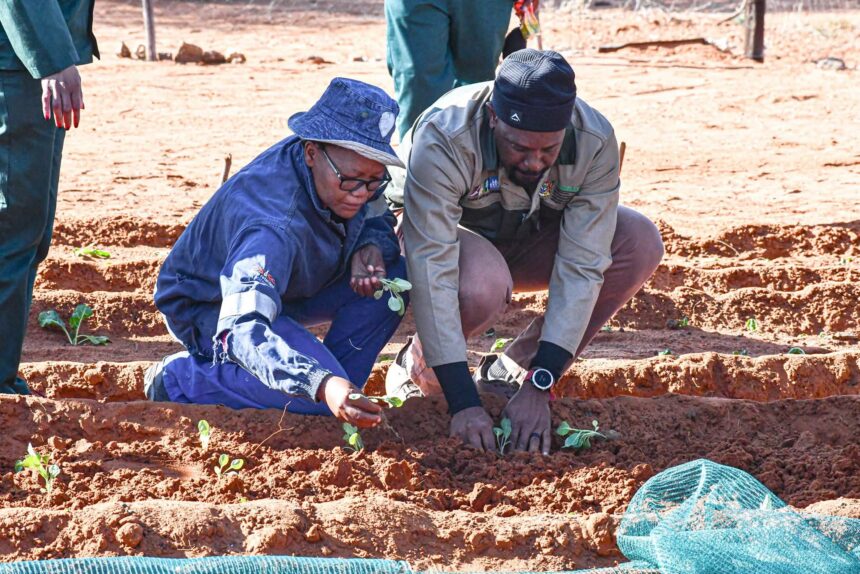
Nelson Mandela Day is a time for South Africans to reflect on the values of compassion, service and community upliftment that defined the life of the country’s first democratic president. Every year, individuals, businesses and government institutions dedicate time and resources to making a positive difference in the lives of others. While many activities take place across the country, the most meaningful initiatives are often those that create lasting benefits for vulnerable communities. Practical support that improves food security, education and community well-being reflects the spirit of Nelson Mandela’s lifelong commitment to equality and human dignity. This year, the Northern Cape Department of Agriculture, Environmental Affairs, Rural Development and Land Reform continued that tradition through a successful outreach programme in Kuruman.
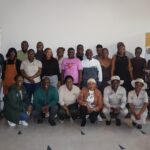
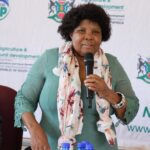
Led by MEC Lebogang Motlhaping, the department hosted its Nelson Mandela Day Outreach Programme at Kobo ya Bana in Kuruman, located within the John Taolo Gaetsewe District. The initiative brought together government officials, community members and beneficiaries with a shared goal of supporting vulnerable families through practical acts of service. Rather than limiting the celebration to symbolic gestures, the department focused on projects designed to deliver meaningful and lasting improvements within the community. The outreach programme reflected the department’s commitment to serving residents beyond its traditional responsibilities in agriculture and rural development. It also demonstrated how government institutions can work directly with communities to address everyday challenges.
One of the highlights of the outreach programme was the establishment of a community soup kitchen. Food insecurity remains a significant concern for many households across South Africa, particularly in vulnerable communities facing unemployment and financial hardship. The soup kitchen provided nutritious meals to community members while reinforcing the importance of caring for those in need. Initiatives like these not only address immediate hunger but also strengthen social solidarity by bringing people together in the spirit of compassion and generosity. The programme embodied the values that Nelson Mandela encouraged throughout his life by placing people and community welfare at the centre of every action.
The department also handed over household food garden inputs to members of the community as part of its efforts to promote food security and self-reliance. Home gardens provide families with the opportunity to grow fresh vegetables and other crops that contribute to healthier diets while reducing household food expenses. Access to seeds, planting materials and other essential agricultural inputs empowers families to produce their own food throughout the year. Small household gardens also encourage sustainable food production practices that can be maintained over the long term. By supporting home food gardens, the department is investing in practical solutions that help families become more resilient and less dependent on external food assistance.
Food gardens offer benefits that extend beyond nutrition alone. They encourage environmental stewardship by promoting responsible use of land and natural resources while strengthening local food systems. Families who successfully cultivate their own produce often develop valuable agricultural skills that can be shared with neighbours and future generations. In some cases, surplus produce can even provide an additional source of household income through informal sales within local communities. These outcomes contribute to stronger local economies while supporting broader government goals of rural development and poverty reduction. The department’s support for household food gardens therefore creates opportunities that continue well beyond Nelson Mandela Day itself.
Another important component of the outreach programme was the refurbishment of Kobo ya Bana to create a more welcoming and conducive learning environment for young children. Early childhood development centres play a critical role in preparing children for future education by providing safe spaces where they can learn, grow and develop essential skills. Improving educational facilities contributes directly to better learning experiences while supporting the overall well-being of children. A clean, safe and attractive environment encourages both learning and social development during the early years of life. Investments in educational infrastructure also demonstrate a long term commitment to building stronger communities through quality education.
The outreach programme highlighted the important connection between agriculture, community development and social responsibility. Government departments responsible for agriculture increasingly recognise that sustainable rural development involves more than supporting farmers alone. Strengthening communities requires investment in food security, education, health, environmental management and social support initiatives that improve quality of life for residents. By combining agricultural assistance with community service projects, the department demonstrated a holistic approach to rural development. Such integrated efforts help create communities that are better equipped to overcome challenges while building greater resilience for the future.
The participation of MEC Lebogang Motlhaping further reinforced the importance of visible leadership in community development initiatives. Leadership that engages directly with local communities helps build trust while ensuring that government programmes remain responsive to the needs of citizens. Community outreach activities also provide valuable opportunities for government representatives to interact with residents and better understand local priorities. Strong relationships between government and communities contribute to more effective service delivery and improved development outcomes. These partnerships are essential for creating lasting change across rural South Africa.
The Northern Cape Department of Agriculture, Environmental Affairs, Rural Development and Land Reform’s Nelson Mandela Day Outreach Programme at Kobo ya Bana successfully honoured the legacy of Tata Nelson Mandela through practical acts of kindness and community support. From providing meals through a community soup kitchen to promoting food security with household food garden inputs and improving educational facilities through refurbishment, the initiative delivered meaningful benefits that will continue long after Mandela Day has passed. The programme demonstrated that true community development is achieved through action that empowers people, strengthens local resilience and creates opportunities for self-reliance. By investing in vulnerable communities and promoting sustainable development, the department reaffirmed its commitment to building a more caring, inclusive and prosperous Northern Cape. These efforts serve as a powerful reminder that Mandela’s vision of service and compassion continues to inspire positive change across South Africa.
Join 'Farmers Mag' WhatsApp Channel
Get the latest Farming news and tips delivered straight to your WhatsApp
CLICK HERE TO JOIN