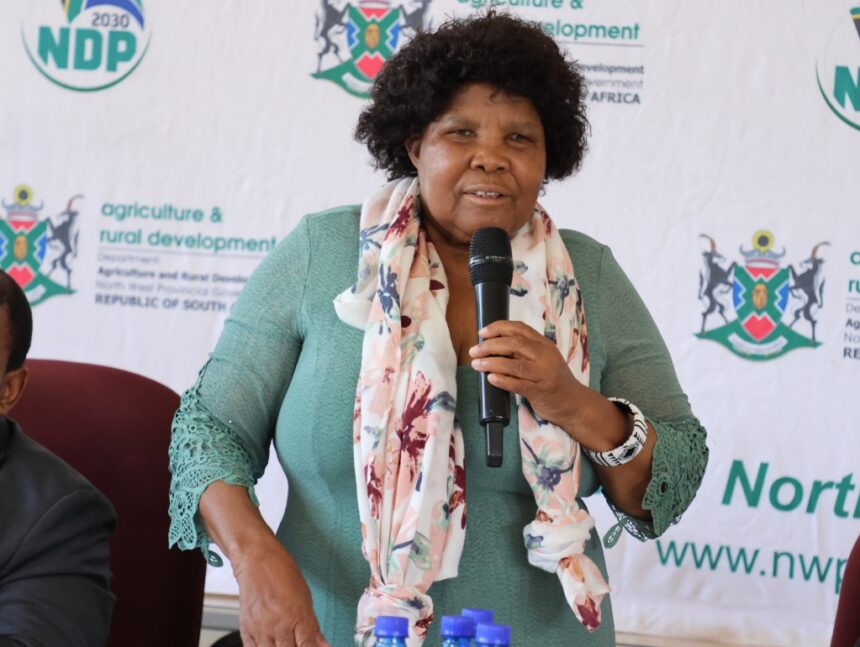
South Africa’s agricultural sector depends on the next generation of farmers, researchers and agribusiness leaders to drive innovation and ensure long term food security. As the industry continues to evolve, young people have an increasingly important role to play in adopting new technologies, developing sustainable farming practices and building resilient agrifood systems. Encouraging youth participation in agriculture is essential for creating employment, supporting rural development and strengthening the country’s economy. Government initiatives that engage young farmers and students provide valuable opportunities for learning, networking and collaboration. One such initiative will take place in Mahikeng, where Deputy Minister of Agriculture Ms Nokuzola Capa will host a dialogue focused on empowering young people in the agricultural sector.
The youth dialogue will be held on Thursday, 23 July 2026, at the North-West University Mahikeng Campus in the North West province. The event will run from 9:00 a.m. until 2:00 p.m. and will bring together young farmers, students and key stakeholders from across the agricultural sector. The gathering forms part of the Department of Agriculture’s ongoing commitment to increasing youth participation in agriculture and creating pathways for future success. By providing a platform for meaningful discussions, the department hopes to inspire more young South Africans to pursue careers and business opportunities within the agrifood sector. The dialogue also reflects the government’s broader vision of building an inclusive and sustainable agricultural industry.
One of the primary objectives of the event is to strengthen the role of young people in shaping South Africa’s agrifood systems. Young farmers and students bring fresh perspectives, creativity and innovative thinking that can help address many of the challenges facing agriculture today. Climate change, food security, resource management and changing consumer demands require new approaches that combine traditional agricultural knowledge with modern technology. Giving young people a voice in these conversations ensures that future agricultural policies and strategies reflect their ideas and aspirations. Their active participation is essential for building a more resilient and competitive agricultural sector.
Academic and research institutions will play a central role in the discussions during the dialogue. Universities, agricultural colleges and research organisations contribute significantly to developing new farming technologies, improving production methods and advancing scientific knowledge. These institutions also prepare the next generation of agricultural professionals through education, research and practical training. Strengthening collaboration between academic institutions and young farmers creates opportunities for knowledge sharing and innovation. By encouraging stronger partnerships, the Department of Agriculture aims to position education and research as key drivers of youth participation in agrifood systems.
Another important focus of the dialogue will be advancing tailored youth empowerment initiatives. Many young people face barriers when entering the agricultural sector, including limited access to land, finance, training, equipment and markets. Addressing these challenges requires targeted programmes that provide practical support and create opportunities for entrepreneurship. Encouraging more young farmers and agripreneurs can help stimulate economic growth while creating employment opportunities in both rural and urban communities. Supporting youth owned agricultural businesses also strengthens local food production and contributes to national food security.
Technology and innovation are expected to feature prominently during the discussions. Smart farming methods are transforming agriculture around the world by improving productivity, reducing waste and helping farmers make more informed decisions. Digital tools such as precision agriculture, remote sensing, artificial intelligence, drones and automated irrigation systems allow producers to manage resources more efficiently while increasing yields. Young people are often well positioned to adopt and implement these technologies because of their familiarity with digital innovation. Promoting smart farming can help South African agriculture remain competitive while improving environmental sustainability and climate resilience.
The dialogue also provides an important opportunity for networking between students, emerging farmers, government representatives and industry stakeholders. Building strong professional relationships can open doors to mentorship, partnerships and future business opportunities. Experienced farmers and agricultural experts can share valuable knowledge while learning from the ideas and perspectives of younger participants. Collaboration between different sectors creates stronger support networks that benefit both established producers and newcomers entering the industry. Events like this encourage ongoing engagement beyond the dialogue itself and help build a more connected agricultural community.
Youth participation in agriculture is not only about increasing the number of farmers but also about expanding opportunities across the entire agricultural value chain. Careers in agricultural science, engineering, food processing, logistics, agribusiness, finance, environmental management and biotechnology all contribute to the success of the sector. By exposing students to these diverse career paths, the dialogue can inspire greater interest in agriculture as a modern and rewarding profession. This broader understanding of agriculture helps attract talent with a wide range of skills and expertise. A diverse workforce strengthens innovation and supports the continued growth of the industry.
The youth dialogue led by Deputy Minister Nokuzola Capa represents another important step in preparing South Africa’s agricultural sector for the future. By bringing together young farmers, students, researchers and industry leaders, the Department of Agriculture is creating a platform for meaningful discussions that can shape the future of agrifood systems. The event’s focus on education, youth empowerment, innovation and smart farming reflects the priorities needed to build a sustainable and competitive agricultural industry. As young people become more actively involved in agriculture, they will play an increasingly important role in driving food security, economic development and environmental sustainability. The dialogue in Mahikeng has the potential to inspire the next generation of agricultural leaders and strengthen South Africa’s commitment to an inclusive and innovative farming sector.
Join 'Farmers Mag' WhatsApp Channel
Get the latest Farming news and tips delivered straight to your WhatsApp
CLICK HERE TO JOIN