Traditional medicine has been an essential part of healthcare for generations, with millions of people relying on medicinal plants to treat common illnesses and support overall well-being. In South Africa, indigenous plants have long been valued for their healing properties and remain an important part of cultural heritage and community health practices. As global demand for natural and plant-based remedies continues to increase, protecting these valuable plant resources has become more important than ever. Scientific research is now playing a crucial role in ensuring that medicinal plants can be used responsibly without placing additional pressure on natural ecosystems. The Agricultural Research Council (ARC) is leading this effort by developing sustainable production methods for indigenous medicinal plants that balance conservation with growing market demand.
One of the indigenous species receiving significant attention from ARC researchers is the pyjama bush, scientifically known as Lobostemon fruticosus. This remarkable medicinal plant is native to South Africa and has traditionally been used in the Cape provinces for generations. Communities have relied on the pyjama bush for its healing properties, particularly in treating wounds, infections and inflammation. The plant is recognised for its antimicrobial, antioxidant and anti-inflammatory qualities, making it an important natural resource in traditional medicine. As interest in herbal remedies grows both locally and internationally, ensuring the long term availability of this indigenous species has become a priority.
The increasing popularity of plant-based medicines has created new opportunities for the medicinal plant industry, but it has also introduced significant conservation challenges. Many medicinal plants are harvested directly from the wild, often without adequate management or sustainable harvesting practices. Overharvesting can threaten natural populations, reduce biodiversity and place valuable indigenous species at risk of decline. Climate change, habitat loss and expanding human activities further increase pressure on these important plant resources. Without proper conservation strategies, some medicinal plants could become increasingly difficult to find in their natural environments.
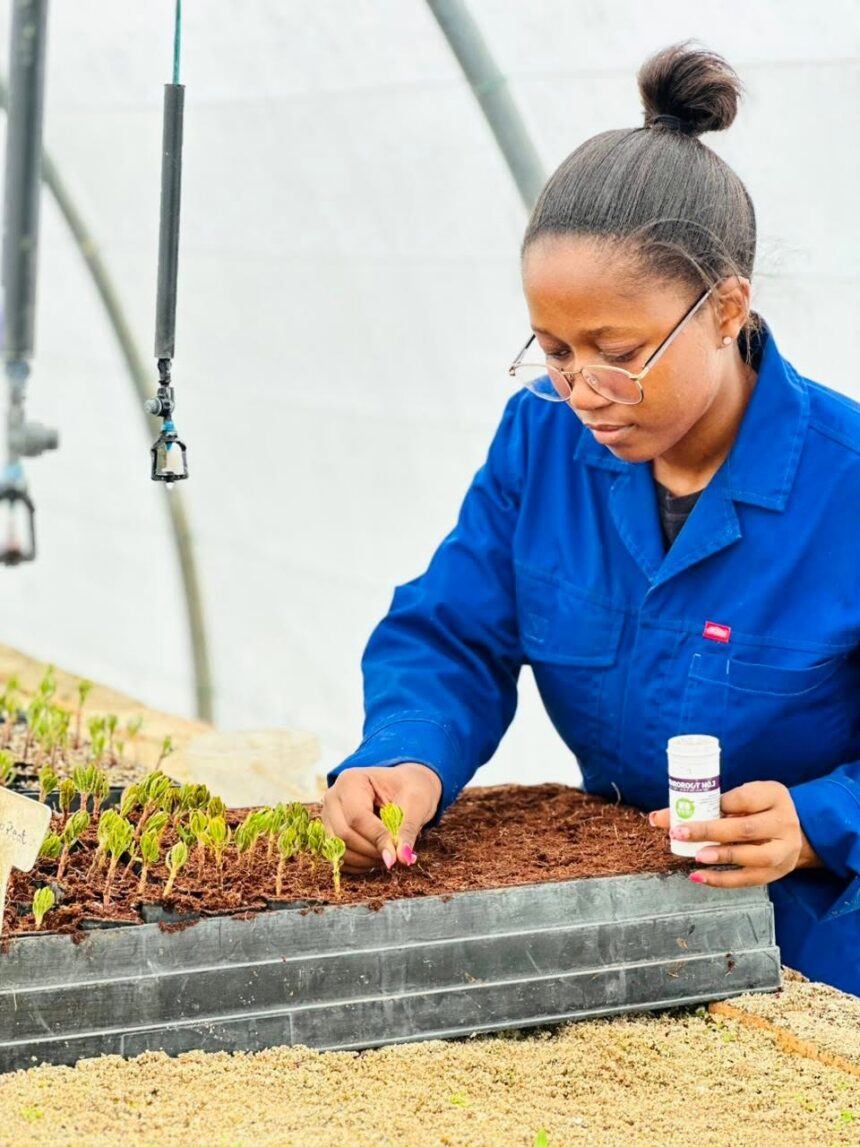
The Agricultural Research Council is addressing these challenges by applying scientific research to develop sustainable cultivation and harvesting practices for indigenous medicinal plants. Rather than relying solely on wild harvesting, researchers are exploring methods that enable farmers and growers to cultivate species such as the pyjama bush under controlled conditions. Sustainable production systems help ensure a consistent supply of high quality medicinal plant material while reducing the impact on wild populations. This approach benefits both conservation efforts and the growing herbal medicine industry. It also creates new opportunities for commercial cultivation that can support rural economic development.
Scientific cultivation offers several important advantages over uncontrolled harvesting from natural habitats. Plants grown under managed agricultural systems can be monitored for quality, consistency and safety throughout the production process. Researchers are able to determine the best growing conditions, soil requirements, irrigation practices and harvesting techniques to maximise both yield and medicinal value. These findings help producers achieve reliable harvests while maintaining the beneficial compounds that make medicinal plants effective. Consumers also benefit from improved quality assurance and greater confidence in the products they use.
The pyjama bush represents an excellent example of how traditional knowledge and modern science can work together to create sustainable solutions. Indigenous communities have understood the healing properties of this plant for generations through cultural knowledge passed down over time. Scientific research builds on this foundation by validating traditional uses, identifying active compounds and developing cultivation methods that support long term conservation. This partnership between traditional wisdom and scientific innovation strengthens the future of indigenous medicine while protecting valuable natural resources. It also highlights the importance of respecting cultural heritage as part of scientific advancement.
Conserving indigenous medicinal plants delivers benefits that extend far beyond healthcare. Healthy plant populations contribute to biodiversity by supporting ecosystems and providing habitat for insects, birds and other wildlife. Protecting native species also helps preserve South Africa’s rich botanical heritage, which is recognised as one of the most diverse in the world. Sustainable cultivation reduces the need to harvest large quantities of plants from natural environments, allowing ecosystems to recover and remain resilient. These conservation efforts are essential for protecting the country’s unique natural resources for future generations.
The research conducted by the Agricultural Research Council also has important economic implications. As demand for herbal medicines continues to grow, the commercial cultivation of indigenous medicinal plants can create new business opportunities for farmers, entrepreneurs and rural communities. Sustainable production systems can support the development of local value chains, including cultivation, processing and the manufacture of natural health products. This has the potential to generate employment while contributing to the growth of South Africa’s bioeconomy. At the same time, carefully managed production helps ensure that economic development does not come at the expense of environmental sustainability.
The Agricultural Research Council’s work on the pyjama bush demonstrates how research and innovation can help secure the future of traditional medicine while protecting South Africa’s natural heritage. By developing sustainable cultivation and harvesting practices for Lobostemon fruticosus, the ARC is reducing pressure on wild plant populations while ensuring continued access to safe and high quality medicinal plant material. This balanced approach supports biodiversity conservation, strengthens traditional healthcare practices and creates opportunities for economic growth through responsible cultivation. As interest in natural remedies continues to expand around the world, initiatives such as these will play an increasingly important role in preserving indigenous medicinal plants for future generations. Through continued scientific research and collaboration with communities, South Africa is helping build a more sustainable future for both traditional medicine and environmental conservation.
Join 'Farmers Mag' WhatsApp Channel
Get the latest Farming news and tips delivered straight to your WhatsApp
CLICK HERE TO JOIN