The North West Department of Agriculture and Rural Development continued its commitment to protecting livestock and strengthening food security by carrying out a successful Foot-and-Mouth Disease (FMD) vaccination campaign in Leeudoringstad on 17 July 2026. The initiative formed part of the department’s ongoing efforts to safeguard animal health, improve livestock management and support rural farming communities across the province. Alongside the vaccination programme, the department also invested in community nutrition by providing agricultural inputs to a local primary school with an established vegetable garden. The combined activities highlighted the importance of integrating animal health, sustainable farming and food security into one coordinated development strategy. By supporting both livestock farmers and young learners, the department reinforced its goal of building resilient agricultural communities throughout the North West Province.
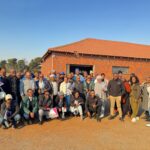
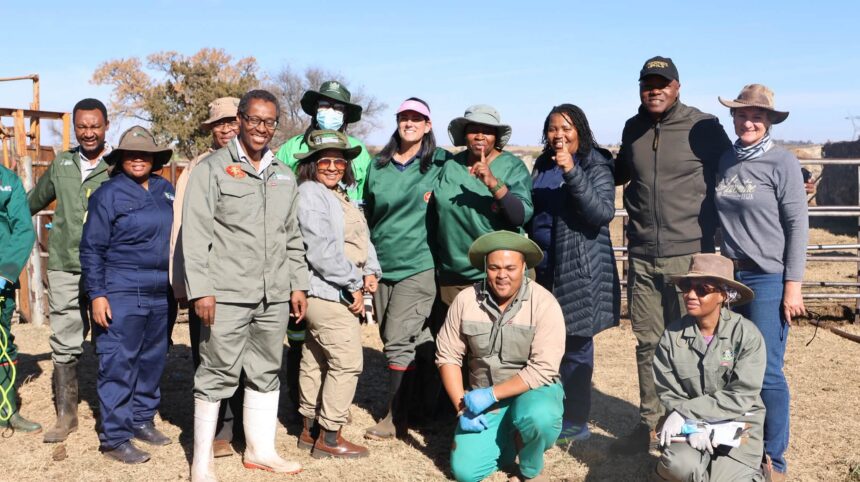
The outreach programme was led by Head of Department Dr Hans Kekana, Chief Director for Agricultural Development Services Arlene Dikolomela and Veterinary Services Director Dr Langa Madyibi. They were joined by Animal Health Technicians and officials from the Department of Agriculture and Rural Development, who worked together to ensure the success of the campaign. Their presence demonstrated the department’s hands-on approach to delivering essential agricultural services directly to farming communities. Engaging with farmers on the ground also provided an opportunity to raise awareness about the importance of disease prevention, livestock identification and responsible animal management. Such leadership encourages greater confidence among farmers while strengthening partnerships between government and rural communities.
A key focus of the campaign took place at Wildebeeskantoor Farm, where cattle underwent several important animal health procedures. Each animal was ear-tagged and accurately recorded on the Livestock Identification and Traceability System, commonly known as LITS. This system plays a vital role in identifying individual animals and maintaining reliable records that improve livestock management throughout the production chain. Accurate traceability supports disease control, strengthens biosecurity measures and enhances confidence in the livestock industry. Once the identification process had been completed, the cattle were vaccinated against Foot-and-Mouth Disease to reduce the risk of infection and protect surrounding farming operations.
Foot-and-Mouth Disease remains one of the most significant livestock diseases affecting cattle and other cloven-hoofed animals. Although it does not usually pose a direct threat to human health, the disease spreads rapidly among susceptible animals and can have devastating economic consequences. Outbreaks often lead to movement restrictions, trade disruptions and financial losses for livestock producers. Preventive vaccination campaigns therefore remain one of the most effective tools for limiting the spread of the disease and protecting the agricultural economy. Regular vaccination, combined with strong surveillance and livestock identification systems, strengthens South Africa’s ability to respond quickly should outbreaks occur.
The Livestock Identification and Traceability System has become increasingly important in modern livestock production. By recording every tagged animal, authorities are able to monitor livestock movements and trace animals more efficiently if disease outbreaks occur. This improves the speed of investigations and enables veterinary officials to implement targeted control measures before diseases spread further. Reliable traceability also supports consumer confidence by ensuring greater transparency throughout the food production chain. As international markets continue to demand higher animal health standards, systems such as LITS play an essential role in supporting future trade opportunities for South African livestock producers.
Beyond livestock health, the department also demonstrated its commitment to improving household nutrition and promoting sustainable food production. As part of the day’s programme, agricultural inputs were donated to Koketso Primary School in Kgakala Township. The donation included seeds, seedlings, fertilisers and essential garden tools that will help expand and maintain the school’s vegetable garden. School gardens have become valuable educational and nutritional resources, allowing learners to gain practical agricultural knowledge while producing fresh vegetables for school meals. These initiatives also encourage healthy eating habits and introduce children to the importance of food production from an early age.
Koketso Primary School already operates an active vegetable garden that produces a variety of nutritious crops. Vegetables currently being grown include kale, cabbage, spinach, carrots and beetroot, all of which provide important vitamins and minerals that contribute to healthy growth and development. Fresh produce harvested from the garden supports learner nutrition while reducing some of the food costs associated with school feeding programmes. The donation of additional agricultural supplies will strengthen the school’s ability to sustain and expand its gardening activities throughout future growing seasons. Such projects demonstrate how agriculture can directly improve education, health and community wellbeing.
The integration of livestock health programmes with food security initiatives reflects a broader approach to rural development. Healthy livestock contribute to stronger farming businesses, while productive community gardens improve access to nutritious food for families and schools. Supporting both areas creates a more resilient agricultural sector that benefits farmers, learners and local communities alike. Government outreach programmes that combine veterinary services with agricultural development initiatives also encourage knowledge sharing and strengthen relationships between officials and community members. These coordinated efforts help build sustainable agricultural systems capable of supporting future generations.
The successful activities carried out in Leeudoringstad on 17 July 2026 demonstrate the North West Department of Agriculture and Rural Development’s continued commitment to protecting animal health while promoting food security across the province. Through the leadership of Dr Hans Kekana, Arlene Dikolomela, Dr Langa Madyibi, Animal Health Technicians and departmental officials, farmers received essential veterinary services while a local school gained valuable resources to strengthen its vegetable production. The vaccination of cattle against Foot-and-Mouth Disease, combined with improved livestock traceability through the Livestock Identification and Traceability System, represents an important investment in the future of South Africa’s livestock industry. At the same time, supporting Koketso Primary School’s vegetable garden reinforces the value of agriculture in improving nutrition and developing practical farming skills among young people. By continuing to invest in both animal health and community food production, the department is helping create healthier livestock, stronger farming communities and a more food secure future for the North West Province.
Join 'Farmers Mag' WhatsApp Channel
Get the latest Farming news and tips delivered straight to your WhatsApp
CLICK HERE TO JOIN