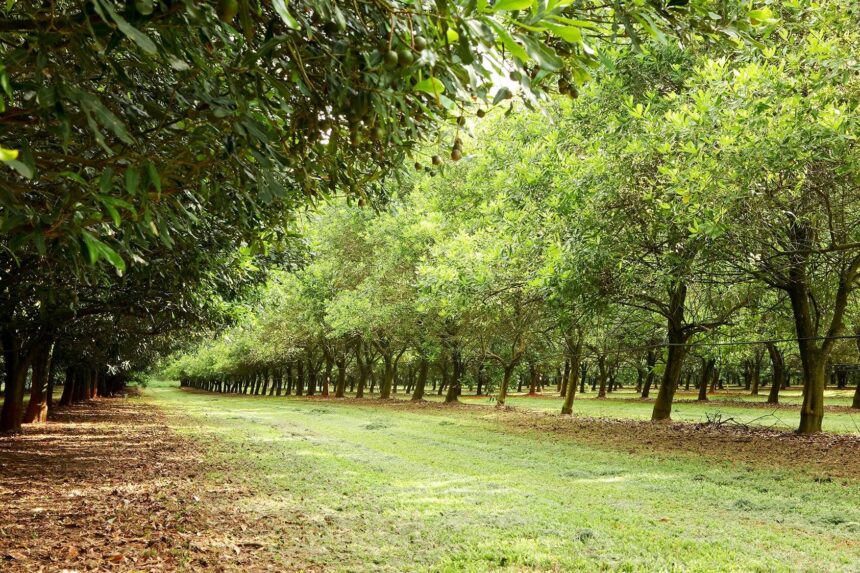
South Africa has become one of the world’s leading producers of macadamia nuts, creating significant opportunities for both commercial and emerging farmers. As global demand for healthy snacks, premium food ingredients and plant-based products continues to grow, macadamias have become one of the country’s most valuable agricultural exports. Their high market value, long productive lifespan and strong international demand make them an attractive investment for farmers looking to diversify their operations. Although establishing a macadamia orchard requires careful planning and patience, the long-term financial returns can be substantial when the crop is managed effectively. Understanding the requirements, opportunities and challenges of macadamia production is essential for anyone considering entering this profitable sector.
Macadamias are native to Australia, but South Africa’s climate has proven highly suitable for commercial production. The country’s warm temperatures, moderate rainfall and fertile soils provide excellent growing conditions in several provinces. Mpumalanga, Limpopo, KwaZulu-Natal and parts of the Eastern Cape have become major production regions due to their favourable climate and suitable elevation. These areas receive sufficient rainfall or have access to irrigation, allowing trees to produce high-quality nuts consistently. With proper orchard management, South African growers can achieve competitive yields that meet both domestic and international market standards.
One of the biggest advantages of macadamia farming is the increasing global demand for the product. Consumers around the world are becoming more health conscious and are seeking foods rich in healthy fats, antioxidants, vitamins and minerals. Macadamia nuts are highly valued because they contain heart-healthy monounsaturated fats, dietary fibre and important nutrients such as magnesium and manganese. They are widely used in the food industry for snacks, confectionery, baked goods, dairy alternatives, nut butters and premium cooking oils. This growing demand has created strong export opportunities for South African producers, particularly in markets across Asia, Europe and North America.
Macadamia farming is considered a long-term agricultural investment because trees can remain productive for several decades. Unlike annual crops that require replanting every season, macadamia orchards continue producing nuts year after year once they reach maturity. Most trees begin producing small commercial harvests after four to six years, while full production is generally achieved after eight to ten years. Although the waiting period requires patience and careful financial planning, mature orchards can provide stable income for many years. This long productive lifespan makes macadamias attractive to farmers seeking sustainable, long-term agricultural enterprises.
Selecting the right land is one of the most important factors influencing orchard success. Macadamia trees perform best in deep, well-drained soils that allow strong root development and prevent waterlogging. Heavy clay soils that retain excessive moisture can increase the risk of root diseases and reduce tree health. Soil testing before planting helps determine nutrient levels, pH and any corrective measures required before orchard establishment. Farmers should also choose sites that are protected from strong winds because high winds can damage branches, flowers and developing nuts.
Climate plays a critical role in determining orchard productivity. Macadamia trees prefer warm subtropical conditions with average temperatures ranging between 16°C and 30°C. While mature trees can tolerate short periods of cooler weather, frost during flowering or early growth stages can significantly reduce production. Reliable rainfall between 800 and 1,500 millimetres annually is generally considered ideal, although irrigation is often required in drier regions. Adequate water management is particularly important during flowering and nut development when moisture stress can reduce yields and nut quality.
Choosing suitable macadamia varieties is another important decision for new growers. Different cultivars vary in yield potential, nut quality, disease resistance and flowering periods. Many commercial orchards plant multiple compatible varieties to improve cross-pollination and increase overall production. Farmers should consult local agricultural specialists and nurseries to identify cultivars that perform well under their regional growing conditions. Selecting certified, disease-free planting material also reduces future production risks and supports healthy orchard development.
Good orchard management is essential throughout the life of a macadamia plantation. Regular pruning helps maintain tree shape, improves sunlight penetration and enhances air circulation within the canopy. Fertiliser programmes should be based on soil and leaf analysis to ensure trees receive balanced nutrition throughout the growing season. Weed control reduces competition for nutrients and water, while mulching helps conserve soil moisture and improve soil health. Proper orchard maintenance contributes directly to higher yields and improved nut quality over time.
Pest and disease management remains an important part of successful macadamia production. Farmers must regularly monitor orchards for insect pests such as stink bugs, which can damage developing nuts and reduce quality. Fungal diseases can also affect flowers, leaves and roots if orchard hygiene and moisture management are neglected. Integrated pest management combines regular monitoring, biological controls, responsible pesticide use and good cultural practices to minimise production losses. Early detection and rapid intervention help maintain healthy orchards while reducing unnecessary chemical applications.
Harvesting macadamias requires careful timing to ensure maximum quality. Mature nuts naturally fall from the trees when they are ready for collection. Farmers typically gather fallen nuts regularly to prevent quality deterioration caused by prolonged exposure to moisture or pests. After harvesting, the nuts are de-husked, dried and processed to reduce moisture levels before storage or cracking. Proper post-harvest handling is essential because maintaining high quality allows farmers to achieve premium prices in local and export markets.
South Africa’s macadamia industry contributes significantly to employment and rural economic development. Orchard establishment, maintenance, harvesting, processing and packaging all create jobs across agricultural value chains. Processing facilities also add value by preparing kernels for international markets while supporting local manufacturing and export activities. As production continues to expand, the industry creates additional opportunities for transport companies, exporters, agricultural suppliers and equipment manufacturers. This broad economic impact strengthens rural communities while increasing the country’s agricultural export earnings.
Emerging farmers also have opportunities to participate in the macadamia industry through government support programmes, industry partnerships and agricultural financing initiatives. While the initial investment required to establish an orchard can be high, long-term returns often justify the cost when farms are well managed. Access to technical training, mentorship and financial planning can help new entrants overcome many of the challenges associated with establishing perennial crops. Building strong relationships with processors and exporters further improves market access and long-term business sustainability. Continued investment in skills development will play an important role in expanding participation within the sector.
Climate-smart farming practices are becoming increasingly important for macadamia producers. Efficient irrigation systems, water conservation techniques, soil improvement programmes and environmentally responsible pest management all contribute to sustainable production. Farmers who adopt modern technologies such as precision agriculture and digital monitoring systems can improve resource efficiency while reducing production costs. Sustainable farming practices also strengthen the industry’s reputation in international markets, where buyers increasingly value environmentally responsible production methods. Investing in sustainability helps ensure the long-term competitiveness of South African macadamias.
The future of macadamia farming in South Africa remains highly promising as international demand continues to grow and export markets expand. The country’s favourable climate, experienced producers, advanced processing facilities and strong agricultural expertise position it as a global leader in macadamia production. Although success requires significant investment, careful planning and ongoing orchard management, the long productive lifespan and high commercial value of macadamias make them an attractive option for many farmers. As more producers adopt modern farming techniques and sustainable production practices, the industry is expected to continue creating employment, generating export income and supporting rural development. For farmers seeking a long-term, high-value agricultural enterprise, growing tree nuts such as macadamias offers substantial potential to contribute to both personal business success and the continued growth of South Africa’s agricultural economy.
Join 'Farmers Mag' WhatsApp Channel
Get the latest Farming news and tips delivered straight to your WhatsApp
CLICK HERE TO JOIN