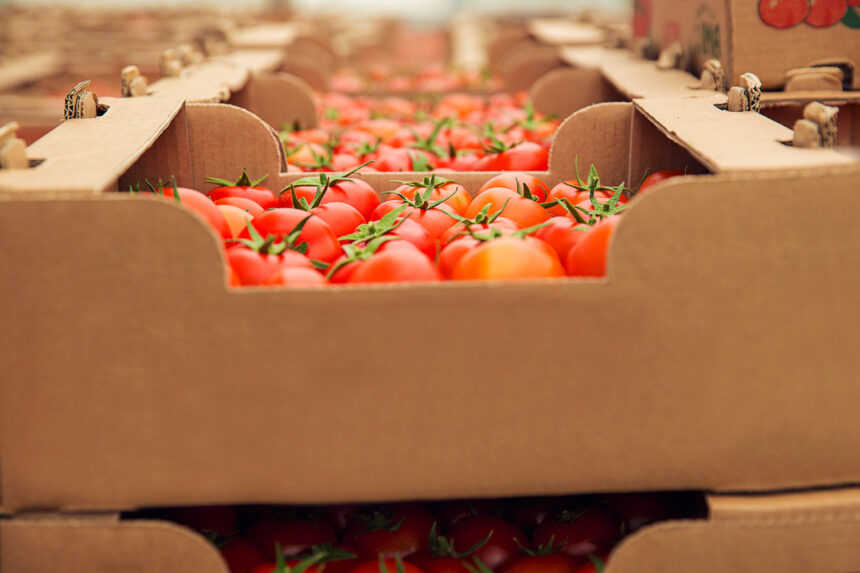
Smart packaging has become an essential part of successful farming in South Africa because it protects products, extends shelf life and helps farmers reach more profitable markets. Consumers are paying closer attention to freshness, food safety and environmental responsibility, making packaging a valuable marketing tool instead of just a container. Whether selling fresh fruit, vegetables, dairy products, herbs, eggs or processed farm goods, the right packaging can increase customer confidence and reduce product losses. Farmers who invest in suitable packaging often experience fewer damaged products during transport and better presentation on store shelves or at local markets. As competition continues to grow across the agricultural sector, choosing smart packaging solutions can help South African farmers improve their brand image, increase sales and build stronger relationships with buyers.
Packaging serves many important functions beyond protecting farm products from damage. It shields food from dust, moisture, sunlight and contamination while maintaining quality throughout transportation and storage. Fresh produce such as tomatoes, citrus, avocados and berries requires packaging that allows proper airflow to reduce spoilage and maintain freshness. Eggs need strong cartons that prevent cracking during transport, while dairy products require leak-proof containers that preserve quality under refrigerated conditions. Farmers who package products correctly reduce waste, improve customer satisfaction and increase the likelihood of repeat purchases from retailers and consumers alike.
Selecting the correct packaging material depends on the type of product being sold and the market being targeted. Cardboard remains one of the most widely used materials because it is affordable, lightweight and recyclable. Plastic containers continue to be popular for many fresh products due to their durability, although many businesses are shifting toward recyclable or reusable plastic options to reduce environmental impact. Glass containers are commonly used for honey, jams, sauces and preserves because they offer excellent product protection while creating a premium appearance. Paper bags, biodegradable trays and compostable packaging are becoming increasingly attractive to environmentally conscious consumers who want products that generate less waste.
Fresh produce packaging should focus on maintaining product quality while minimizing bruising and spoilage. Fruits and vegetables continue to respire after harvesting, making ventilation extremely important. Packaging with carefully designed ventilation holes helps maintain airflow and reduce excess moisture that encourages mould growth. Soft fruits such as strawberries and blueberries benefit from protective punnets that prevent crushing during transportation. Larger produce like pumpkins, cabbages and watermelons often require durable crates or strong cartons that withstand stacking without causing damage. Matching packaging to the specific needs of each crop helps preserve freshness from the farm to the customer.
Temperature-sensitive farm products require packaging that supports cold chain management throughout distribution. Meat, dairy products and certain vegetables must remain within recommended temperature ranges to prevent bacterial growth and maintain food safety. Insulated packaging materials, thermal liners and gel ice packs are useful for transporting products over long distances. South African farmers supplying supermarkets, restaurants and online grocery services increasingly rely on temperature-controlled packaging to meet strict quality standards. Proper cold chain packaging reduces financial losses while protecting consumers from food safety risks.
Food safety regulations make packaging an important part of agricultural operations. Packaging should be clean, food-grade and suitable for direct contact with food products. Farmers should avoid using damaged, contaminated or previously used containers that may introduce harmful bacteria or chemicals. Proper sealing also prevents insects, dust and moisture from contaminating products before they reach consumers. Following good packaging practices strengthens food safety systems and supports compliance with local retail and export requirements, making it easier for farmers to access premium markets.
Modern packaging design offers valuable opportunities for branding and product differentiation. Attractive labels that clearly display the farm name, product information and contact details help customers remember a brand and build trust over time. Consistent colours, logos and packaging styles create a professional appearance that stands out among competing products. Labels should also include production dates, expiry dates where applicable, storage instructions and nutritional information when required. QR codes can provide customers with additional information about farming practices, recipes or the origin of products, creating stronger connections between producers and consumers.
Sustainable packaging has become an important consideration for both farmers and customers across South Africa. Many consumers actively seek products packaged with recyclable, biodegradable or reusable materials. Farmers who reduce unnecessary plastic use can strengthen their environmental reputation while meeting changing customer expectations. Some businesses encourage customers to return containers for reuse, reducing packaging costs over time. Sustainable packaging also supports broader environmental goals by lowering waste generation and reducing pressure on landfill sites.
Technology continues to improve packaging solutions for agricultural businesses of every size. Smart labels with QR codes, digital traceability systems and tamper-evident seals improve transparency throughout the supply chain. Some advanced packaging solutions include freshness indicators that help monitor product quality during transportation and storage. Modified atmosphere packaging, which adjusts the gases surrounding fresh produce, can significantly extend shelf life for certain products. Although some technologies require greater investment, they can provide valuable returns through reduced waste, improved product quality and increased market access.
Packaging costs should always be balanced against the value it provides. Choosing the cheapest option may lead to damaged products, dissatisfied customers and higher replacement costs. Farmers should calculate the total cost of packaging by considering transportation efficiency, product protection, storage requirements and customer satisfaction rather than focusing only on purchase price. Buying packaging materials in bulk often reduces costs, especially for farms with consistent production volumes. Working closely with reliable packaging suppliers also helps farmers identify materials that provide the best balance between affordability, durability and sustainability.
South African farmers who sell directly through farmers’ markets, online stores or farm shops have additional opportunities to use packaging as a marketing tool. Attractive presentation encourages impulse purchases and creates a positive first impression. Convenient packaging sizes allow customers to choose products that suit their household needs, while resealable containers improve convenience and reduce food waste after purchase. Seasonal packaging designs, gift-ready presentation and premium finishes can increase the perceived value of farm products without significantly increasing production costs. These strategies help small and medium-sized farms compete more effectively with larger commercial producers.
Smart packaging choices are no longer optional for farmers who want to remain competitive in South Africa’s evolving agricultural market. Effective packaging protects products, reduces losses, supports food safety and strengthens customer confidence from the farm to the final sale. Sustainable materials, attractive branding and innovative technologies provide additional opportunities to improve profitability while meeting changing consumer expectations. Every farm product has unique packaging requirements, making careful planning an essential part of successful agricultural production and marketing. By investing in packaging that balances quality, functionality, affordability and environmental responsibility, South African farmers can increase product value, expand market opportunities and build stronger businesses for the future.
Join 'Farmers Mag' WhatsApp Channel
Get the latest Farming news and tips delivered straight to your WhatsApp
CLICK HERE TO JOIN