Producing sufficient fodder for winter feeding is one of the most important management practices for livestock farmers in South Africa. During the colder months, natural grazing often becomes scarce, loses nutritional value and cannot adequately meet the dietary needs of cattle, sheep, goats and other livestock. Farmers who prepare in advance by producing quality fodder are better positioned to maintain healthy animals, reduce feed costs and sustain production throughout the winter season. Fodder production also helps protect grazing lands from overutilisation by reducing pressure on natural veld during periods of limited forage availability. With careful planning, appropriate crop selection and proper storage methods, South African farmers can secure a reliable feed supply that supports livestock productivity and farm profitability throughout the year.
Winter feeding begins with careful planning well before the cold season arrives. Farmers should calculate the number of animals that will require supplementary feed and estimate how much fodder will be needed based on the expected duration of winter. Factors such as rainfall patterns, grazing conditions, animal size and production goals all influence fodder requirements. Preparing a fodder budget allows farmers to identify potential shortages early and take corrective action before winter begins. Accurate planning also helps farmers allocate land, labour, equipment and financial resources more efficiently while avoiding emergency feed purchases at inflated prices.
Choosing the right fodder crops is essential for successful winter feeding. South African farmers have several options depending on climate, soil conditions and available irrigation. Common fodder crops include maize, sorghum, oats, ryegrass, lucerne, teff and forage barley. Maize and sorghum are widely used for silage because they produce high yields and provide valuable energy for livestock. Lucerne remains one of the most nutritious forage crops due to its high protein content, making it particularly suitable for dairy cattle, sheep and goats. Oats and ryegrass are popular winter forage crops that provide high-quality grazing or conserved fodder when managed correctly.
Climate and regional conditions play a major role in determining which fodder crops perform best. Farmers in summer rainfall regions often plant maize or sorghum during the growing season before harvesting them for silage ahead of winter. In winter rainfall areas such as parts of the Western Cape, oats and other cool-season forage crops perform well under favourable conditions. Irrigated farms have greater flexibility because they can establish forage crops throughout different periods of the year depending on water availability. Selecting crops that are well adapted to local conditions improves productivity while reducing production risks associated with drought, pests and diseases.
Soil preparation forms the foundation of successful fodder production. Healthy soils promote strong root development, better nutrient uptake and higher forage yields. Before planting, farmers should conduct soil tests to determine nutrient levels and soil pH. Based on the results, lime, compost or fertilisers can be applied to correct deficiencies and improve growing conditions. Proper seedbed preparation also encourages uniform germination and helps establish vigorous crops capable of producing high-quality forage. Investing in soil health benefits not only fodder crops but also the long-term productivity of the farming operation.
Water management is equally important in achieving consistent fodder production. Reliable rainfall or irrigation is necessary for producing sufficient forage to meet winter feeding requirements. Efficient irrigation systems such as drip or centre pivot irrigation help maximise water use while reducing losses through evaporation. Farmers should monitor soil moisture regularly to avoid both water stress and excessive irrigation that may damage crops or encourage disease. Water conservation practices, including mulching and improved soil management, further enhance production efficiency in water-scarce regions. Effective water management becomes increasingly important as climate variability continues to affect agricultural production across South Africa.
Harvesting fodder at the correct stage of growth has a direct impact on its nutritional value. Crops harvested too early may have lower yields, while delayed harvesting often reduces digestibility and protein content as plants become more mature. Silage crops such as maize and sorghum should be harvested when moisture content is suitable for proper fermentation. Hay crops, including lucerne and oats, should be cut during favourable weather conditions to preserve nutrient quality while allowing sufficient drying before baling. Careful timing ensures that livestock receive fodder with the highest possible nutritional value during winter.
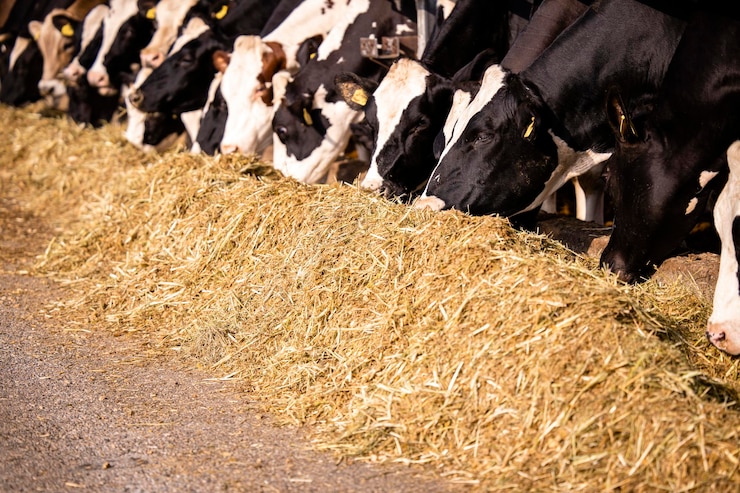
Proper fodder conservation is essential for maintaining quality throughout the storage period. Hay must be dried adequately before baling to prevent mould growth, heating and spoilage during storage. Silage should be compacted thoroughly and sealed properly to create anaerobic conditions that encourage successful fermentation. Well-constructed silage pits, bunkers or wrapped bales protect feed from moisture, oxygen and contamination. Storage facilities should also keep fodder safe from pests, rodents and excessive weather exposure. Good storage practices reduce wastage while ensuring that valuable feed remains available when natural grazing becomes limited.
Balanced nutrition remains a key consideration during winter feeding. While conserved fodder provides energy and fibre, livestock often require additional protein, minerals and vitamins depending on their production stage. Pregnant animals, lactating females and rapidly growing young stock typically have higher nutritional demands than mature animals at maintenance. Farmers should work with animal nutrition specialists or extension officers to develop feeding programmes that meet the specific needs of their livestock. Providing clean drinking water alongside quality fodder is equally important because adequate hydration supports digestion and overall animal health throughout the winter season.
Producing sufficient fodder also offers significant economic advantages for livestock farmers. Growing forage on the farm often reduces dependence on expensive commercial feed purchases during periods of feed shortages. Maintaining consistent feed supplies helps prevent production losses caused by weight loss, reduced milk production or poor reproductive performance. Reliable winter feeding programmes also improve animal welfare by ensuring that livestock receive adequate nutrition even during harsh environmental conditions. Well-fed animals are generally healthier, more productive and better able to withstand disease and environmental stress. These benefits contribute to improved profitability and greater resilience against changing market and climate conditions.
Sustainable fodder production should form part of every long-term livestock management strategy. Crop rotation, conservation agriculture, responsible fertiliser use and efficient water management help maintain soil fertility while protecting natural resources. Farmers who integrate fodder production into their overall farm planning are better equipped to respond to seasonal feed shortages and unpredictable weather patterns. Diversifying fodder sources also reduces production risks by ensuring that multiple feed options remain available throughout the year. Continuous monitoring and adaptation allow farmers to improve efficiency while maintaining sustainable agricultural practices.
Producing quality fodder for winter feeding is an essential investment in the long-term success of livestock farming in South Africa. Careful planning, appropriate crop selection, proper soil preparation, efficient water management and effective storage all contribute to reliable feed supplies during periods when natural grazing is limited. By harvesting forage at the correct stage and providing balanced nutrition, farmers can maintain healthy, productive livestock throughout the winter months. Sustainable fodder production not only reduces feed costs but also strengthens farm resilience against climate variability and seasonal challenges. With sound management and forward planning, South African livestock producers can ensure that their animals remain well nourished while supporting profitable and sustainable farming enterprises year after year.
Join 'Farmers Mag' WhatsApp Channel
Get the latest Farming news and tips delivered straight to your WhatsApp
CLICK HERE TO JOIN