The Department of Agriculture (DoA) has taken a major step toward strengthening South Africa’s agricultural sector by expanding the number of veterinarians in its Import/Export Policy Unit from four to sixteen. This significant increase is expected to improve the department’s ability to process market access applications, negotiate international trade opportunities and restore export markets that were affected by recent animal disease outbreaks. The move reflects the government’s commitment to improving agricultural trade, supporting farmers and protecting jobs that depend on exports. It also comes at a critical time as South Africa works to rebuild confidence among international trading partners following the Foot and Mouth Disease (FMD) outbreak. By investing in skilled veterinary professionals, the department aims to create a stronger and more efficient system that can respond quickly to the needs of the agricultural industry.
The recruitment drive is focused on building a capable and resourceful team dedicated to improving market access for South African agricultural products. The expanded Import/Export Policy Unit is now led by Deputy Director Dr. Nadia de Beer and consists of sixteen veterinarians, including one deputy director, four senior officials and eleven junior officials. This larger team is expected to improve the speed and quality of work related to export certification, veterinary negotiations and market access questionnaires required by international trading partners. Increasing the number of qualified veterinarians will also allow the department to proactively assess new export opportunities while managing existing trade relationships more effectively. The strengthened unit is expected to play an important role in ensuring South African agricultural products meet international health and safety standards.
One of the immediate priorities for the expanded veterinary team is clearing outstanding market access questionnaires submitted by foreign countries. These technical documents are an essential part of export negotiations because they provide importing countries with detailed information about South Africa’s animal health systems, disease control measures and food safety standards. Delays in completing these questionnaires can slow the reopening of important export markets and affect the competitiveness of South African producers. With additional veterinarians now in place, the department expects to reduce processing times and respond more efficiently to international requests. This improvement is likely to strengthen South Africa’s reputation as a reliable trading partner in global agricultural markets.
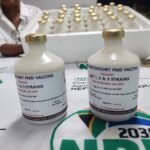
The appointments come at a particularly important stage as the Department of Agriculture continues efforts to reopen export markets that were suspended because of the Foot and Mouth Disease outbreak. The disease disrupted international trade and placed significant pressure on livestock producers, meat processors and dairy businesses that rely on overseas markets. Since the suspensions were introduced, the department has been working with trading partners to demonstrate that South Africa has implemented effective disease control measures. Negotiations with many countries are already underway, and officials remain optimistic that several suspended markets will soon resume importing South African products. Restoring these export channels will provide much-needed relief to industries that have experienced financial losses during the suspension period.
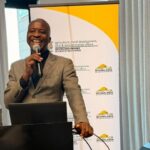
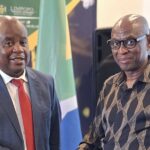
Deputy Director-General of Agricultural Production, Biosecurity and Natural Resources Management, Mr. Dipepeneneng Serage, said the reopening of export markets will have wide-ranging benefits for the country’s agricultural economy. According to Serage, restoring trade will allow the red meat and milk industries to resume exports, recover lost business and contribute to food security while protecting employment across the agricultural value chain. He noted that the return of full trading activity would help businesses recover from the financial challenges caused by export restrictions. The recovery is also expected to strengthen confidence among investors and international buyers looking to source agricultural products from South Africa. As exports increase, the sector could once again make a stronger contribution to national economic growth and employment.
Serage also highlighted that the expansion of the veterinary workforce supports the broader goal of growing the agricultural sector’s contribution to the country’s workforce. He expressed hope that, once export markets are fully restored, agriculture will support more than one million jobs. This target reflects the importance of the sector in creating employment opportunities across farming, food production, logistics, veterinary services and related industries. A stronger export sector also benefits rural communities where many agricultural businesses operate. Increased trade can generate higher incomes for producers while creating opportunities for small and emerging farmers to participate in international markets.
The successful recruitment of the additional veterinarians represents the outcome of a process that began in 2025 under former Minister John Steenhuisen. The department acknowledged that the planning and approval of these appointments took place over an extended period to ensure the Import/Export Policy Unit would have the expertise needed to meet future demands. The arrival of the new Minister of Agriculture, Mr. Willem Aucamp, marks the beginning of a new chapter as the department continues implementing measures aimed at improving agricultural trade and biosecurity. The transition in leadership is expected to maintain momentum behind ongoing negotiations and efforts to strengthen South Africa’s agricultural exports. Continuity in these initiatives will be important as the department works to achieve long-term improvements in international market access.
The expansion of the Department of Agriculture’s veterinary team demonstrates a clear commitment to rebuilding export markets, strengthening biosecurity and supporting the long-term growth of South Africa’s agricultural industry. By increasing the number of specialists dedicated to import and export policy, the department is better positioned to respond to international requirements and unlock new trade opportunities. Farmers, livestock producers and dairy businesses stand to benefit from improved market access, while consumers and workers may also gain from a stronger and more resilient agricultural economy. As negotiations continue and suspended markets begin to reopen, the additional veterinary capacity is expected to play a central role in restoring confidence in South African agricultural exports. This investment in skilled professionals represents an important step toward ensuring the country’s agricultural sector remains competitive in the global marketplace.
Join 'Farmers Mag' WhatsApp Channel
Get the latest Farming news and tips delivered straight to your WhatsApp
CLICK HERE TO JOIN