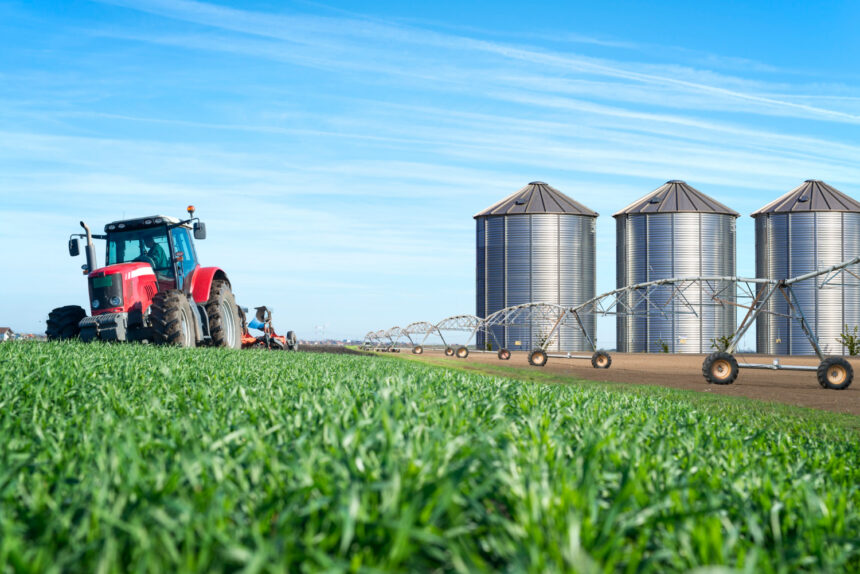
Grain storage and handling play a vital role in the success of South Africa’s agricultural sector. Whether farmers produce maize, wheat, soybeans, sunflower or sorghum, protecting harvested grain is just as important as achieving high yields in the field. Poor storage practices can lead to significant losses caused by moisture, insects, rodents, mould and poor handling, reducing both grain quality and profitability. As input costs continue to rise, preventing post-harvest losses has become a priority for commercial and small-scale farmers alike. By adopting proven grain storage and handling practices, producers can preserve grain quality, improve market value and strengthen the long-term sustainability of their farming businesses.
The foundation of successful grain storage begins before the crop even enters a silo or storage facility. Grain should be harvested at the correct moisture content to minimise the risk of spoilage during storage. Harvesting grain that is too wet encourages mould growth and increases the likelihood of fungal diseases, while grain that is too dry may suffer from cracking and handling damage. Farmers should regularly test moisture levels using calibrated moisture meters before storage. Taking the time to harvest under the right conditions helps preserve grain quality throughout the storage period.
Cleaning grain before storage is another essential practice that should never be overlooked. Dust, broken kernels, plant material and foreign objects create ideal conditions for insect infestations and fungal development. Removing these impurities improves airflow within storage structures and reduces the risk of hotspots forming inside grain piles. Modern cleaning equipment allows producers to remove unwanted material quickly and efficiently before grain enters storage. Cleaner grain not only stores better but also attracts better prices when marketed.
Storage facilities must be thoroughly cleaned and inspected before receiving a new harvest. Old grain residues, dust and insects remaining from previous seasons can contaminate fresh grain and quickly spread infestations throughout a storage facility. Silos, bins, conveyors, augers and loading equipment should all be cleaned and disinfected before use. Farmers should also inspect storage structures for leaks, damaged roofs, cracked walls and poor ventilation that may allow moisture or pests to enter. Preventive maintenance reduces the likelihood of costly grain losses later in the season.
Moisture management remains one of the most important factors affecting long-term grain storage. Even small increases in moisture can create conditions that promote mould growth, heating and grain deterioration. Proper aeration systems help maintain uniform temperatures throughout stored grain while reducing condensation inside silos. Farmers should monitor both grain temperature and moisture regularly throughout the storage period, especially during seasonal weather changes. Early detection of temperature increases allows problems to be corrected before significant losses occur.
Effective pest management is equally important for protecting stored grain. Insects such as weevils and grain borers can reproduce rapidly under favourable conditions, causing serious quality losses and reducing market value. Integrated pest management combines regular inspections, sanitation, monitoring traps and approved treatments where necessary. Rodent control should also form part of every grain storage programme, as rodents contaminate grain while damaging storage infrastructure and electrical systems. Consistent monitoring allows farmers to respond quickly before pest populations become difficult to control.
Proper grain handling techniques also contribute significantly to maintaining grain quality. Rough handling during loading, unloading and transport can crack kernels, increasing the amount of broken grain and reducing overall value. Equipment such as conveyors, elevators and augers should be properly adjusted to minimise mechanical damage. Operators should avoid overloading equipment and ensure machinery is maintained regularly to prevent unnecessary grain loss. Careful handling preserves grain quality from harvest until delivery to buyers or processors.
Record keeping is another important aspect of successful grain storage management. Farmers should maintain detailed records of grain moisture levels, storage dates, temperatures, pest inspections and any treatments applied during storage. These records help identify trends, improve future management decisions and demonstrate compliance with quality assurance standards required by many grain buyers. Accurate documentation also supports traceability, which has become increasingly important in domestic and export markets. Well-maintained records allow producers to manage stored grain more effectively throughout the marketing season.
Worker safety should always remain a priority when handling stored grain. Grain bins and silos present serious hazards, including dust explosions, toxic gases, machinery accidents and grain entrapment. Employees should receive proper training before entering storage facilities or operating grain handling equipment. Personal protective equipment, lockout procedures and adequate ventilation help reduce the risk of workplace injuries. Safe working practices protect both employees and farming operations while ensuring compliance with occupational health and safety requirements.
Modern technology is helping South African grain producers improve storage efficiency and reduce post-harvest losses. Digital monitoring systems can measure temperature, humidity and grain condition in real time, allowing farmers to detect problems before they become severe. Automated aeration controls improve energy efficiency while maintaining optimal storage conditions throughout the year. Mobile applications and remote monitoring systems also enable producers to manage grain stores without constant physical inspections. These technologies support better decision making and contribute to higher grain quality and profitability.
As South Africa continues to strengthen its grain industry, effective storage and handling practices will remain essential for protecting harvests and improving farm profitability. Investing in clean storage facilities, moisture management, pest control, careful handling and modern monitoring systems helps farmers preserve grain quality from harvest to market. Every stage of the storage process influences the final value of the crop, making post-harvest management just as important as field production. Farmers who consistently apply these best practices are better positioned to reduce losses, meet quality standards and maximise returns on their investment. Strong grain storage and handling systems ultimately contribute to improved food security, a more competitive agricultural sector and a more resilient farming industry across South Africa.
Join 'Farmers Mag' WhatsApp Channel
Get the latest Farming news and tips delivered straight to your WhatsApp
CLICK HERE TO JOIN