Farming in South Africa often comes with tight budgets, especially for smallholder and emerging farmers who must balance production costs with limited income. Access to modern machinery can be expensive, which forces many farmers to look for practical, low-cost alternatives that still improve efficiency and productivity. Low-cost farm equipment plays a major role in helping farmers reduce manual labour, save time and increase output without taking on heavy debt. These tools are often simple, locally available or easy to build using basic materials. The goal is to support sustainable farming while keeping operational costs manageable for everyday use.
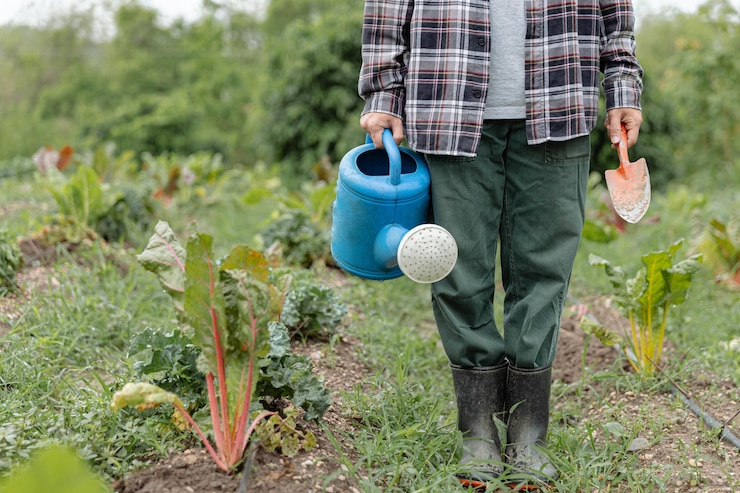
One of the most common low-cost solutions in South African farming is the use of hand tools such as hoes, spades and rakes for land preparation and weed control. These tools are affordable, widely available and suitable for small plots where tractors are not necessary. Many farmers also use wheelbarrows to transport manure, harvested crops and water, which reduces physical strain and improves efficiency. Simple irrigation solutions such as watering cans and gravity-fed drip systems also help farmers manage water use without expensive infrastructure. These basic tools remain essential in both rural and peri-urban farming systems where resources are limited. Their simplicity makes them easy to maintain and replace when needed.
Another practical low-cost innovation is the use of manually operated seed planters and jab planters. These tools allow farmers to plant seeds at consistent depth and spacing, which improves germination and reduces seed waste. They are especially useful for crops like maize, beans and vegetables commonly grown in South Africa. Farmers can also build simple planting guides using wood or metal to maintain straight rows and uniform spacing. This improves field organisation and makes weeding and harvesting easier later in the season. Small improvements in planting efficiency can lead to significant yield increases over time.
Water management is another area where low-cost equipment can make a major difference. Many farmers use homemade drip irrigation systems made from plastic bottles, hoses and basic tubing to deliver water directly to plant roots. This reduces water loss through evaporation and ensures crops receive consistent moisture. Rainwater harvesting systems using barrels or tanks also provide an affordable way to store water during dry periods. In regions where drought is a challenge, these systems help farmers maintain production even when rainfall is low. Efficient water use is critical in South African agriculture, making these low-cost systems highly valuable.
Livestock farmers also benefit from simple and affordable equipment that improves animal management. Basic fencing made from wire, wooden poles or recycled materials helps control grazing and protect crops. Feeding troughs can be constructed from wood, tyres or plastic drums, reducing the need for expensive commercial products. Farmers also use handmade shelters or shade structures to protect animals from extreme weather conditions. These low-cost solutions improve animal health and productivity without requiring large capital investment. Proper livestock management tools are essential for small-scale farmers who rely on mixed farming systems.
Processing and storage are other important areas where affordable equipment can improve farm profitability. Simple drying racks made from wood and mesh help farmers preserve vegetables, herbs and grains after harvest. Storage containers such as sealed buckets or sacks protect produce from pests and moisture. Some farmers also use low-cost grinding or milling tools to process crops for local sale or household use. These small-scale processing methods add value to raw produce and increase income opportunities. Reducing post-harvest losses is especially important in rural farming areas where market access may be limited.
Farmers in South Africa are also increasingly using recycled and DIY equipment solutions to reduce costs. Old tyres are converted into planters, plastic bottles become irrigation tools and scrap metal is used for constructing basic farm structures. This approach not only saves money but also supports environmental sustainability by reducing waste. Community knowledge sharing plays a key role, as farmers often exchange ideas on how to build and improve equipment locally. These innovations show that effective farming does not always require expensive machinery. Creativity and resourcefulness often produce practical solutions that work well in local conditions.
Low-cost farm equipment remains essential for improving agricultural productivity among small and emerging farmers in South Africa. While large-scale machinery is important for commercial farming, simple tools continue to support millions of households that rely on agriculture for food and income. The key is choosing equipment that matches the scale of production and available resources. Farmers who invest in practical, affordable tools often see improved efficiency, reduced labour demands and better crop outcomes. With continued innovation and knowledge sharing, low-cost farming solutions will remain a strong foundation for sustainable agriculture across the country.
Join 'Farmers Mag' WhatsApp Channel
Get the latest Farming news and tips delivered straight to your WhatsApp
CLICK HERE TO JOIN