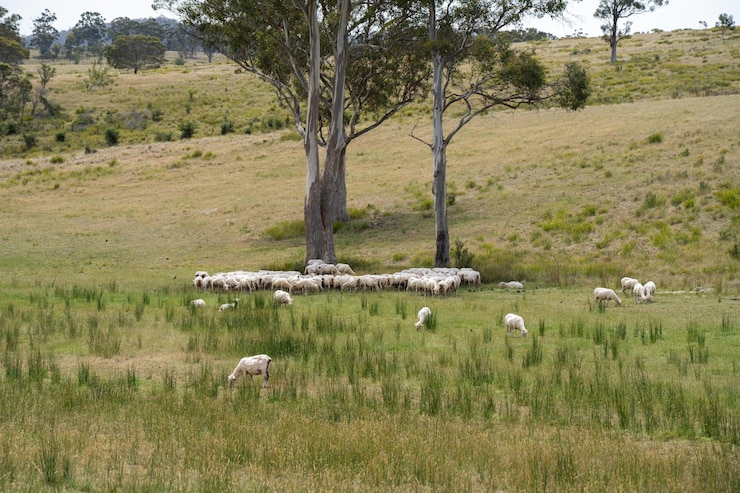
Rangelands and natural veld form the backbone of livestock farming in South Africa, supporting cattle, sheep and goat production across vast rural landscapes. These grazing areas are essential for food production, rural livelihoods and biodiversity conservation. However, many rangelands face increasing pressure from overgrazing, drought, invasive species and poor land management practices. Without proper care, veld conditions can degrade quickly, leading to reduced carrying capacity and long-term loss of productivity. Sustainable management of rangeland and veld is therefore critical for maintaining healthy ecosystems and ensuring profitable livestock farming.
Sustainable veld management focuses on using grazing land in a way that maintains its long-term productivity while preventing degradation. This means balancing livestock numbers with the natural capacity of the land to recover after grazing. In South Africa, rainfall variability makes this especially important, as dry seasons can severely limit grass regrowth. Farmers are encouraged to adopt rotational grazing systems, where livestock are moved between camps to allow vegetation time to recover. This approach helps maintain plant diversity, improve soil structure and reduce erosion over time. When managed correctly, rangelands can remain productive even under challenging climate conditions.
One of the biggest threats to rangeland health is overgrazing, which occurs when too many animals graze the same area for too long. Overgrazing removes protective plant cover, exposing soil to wind and water erosion. Once soil is lost, it becomes extremely difficult and expensive to restore veld productivity. It also reduces the land’s ability to retain moisture, making it more vulnerable during drought periods. Sustainable management practices aim to prevent this by matching livestock density with available forage. Farmers who monitor grazing pressure closely can avoid long-term damage and maintain consistent production levels.
Fire management is another important component of sustainable veld use. In many parts of South Africa, controlled burning is used to stimulate fresh grass growth and remove old, unpalatable vegetation. However, burning must be carefully planned and timed to avoid damaging young plants or exposing soil unnecessarily. When used correctly, fire can improve grazing quality and reduce the spread of invasive plant species. Poorly managed fires, on the other hand, can destroy valuable grazing areas and increase erosion risks. Integrating fire management with grazing plans helps maintain a balanced and healthy rangeland system.
Invasive plant species also pose a serious challenge to veld sustainability. These plants often outcompete natural grasses, reducing grazing value and biodiversity. Once established, invasive species can spread rapidly and become expensive to control. Farmers and land managers are encouraged to identify and remove invasive plants early before they dominate grazing areas. Mechanical removal, targeted herbicide use and biological control methods are commonly used strategies. Maintaining healthy, well-managed veld is one of the most effective ways to prevent invasive species from taking hold in the first place.
Soil health plays a central role in the productivity of rangelands. Healthy soil supports strong grass growth, improves water infiltration and reduces erosion risk. Practices such as avoiding continuous grazing, maintaining plant cover and preventing soil compaction help preserve soil structure. In degraded areas, restoration techniques like reseeding and resting the land can help recover productivity over time. Sustainable veld management is not only about livestock but also about protecting the natural resources that support grazing systems. Strong soil health ensures long-term resilience against climate variability and drought.
Community involvement and knowledge sharing are also important for sustainable rangeland management. Many communal farming areas in South Africa rely on shared grazing land, making coordinated management essential. When farmers work together to control stocking rates and grazing patterns, the entire landscape benefits. Extension services and agricultural training programmes play a key role in educating farmers about best practices. These initiatives help bridge the gap between scientific research and practical on-the-ground farming decisions. Improved awareness leads to better land use decisions and stronger rural economies.
Sustainable management of rangeland and veld is essential for protecting South Africa’s livestock sector and natural environment. Proper grazing management, fire control, invasive species management and soil conservation all work together to maintain productive grazing systems. Farmers who adopt sustainable practices are better able to withstand drought, reduce costs and improve long-term herd performance. Healthy veld supports not only livestock production but also biodiversity and ecosystem stability. By managing rangelands responsibly today, farmers secure the future productivity of their land for generations to come.
Join 'Farmers Mag' WhatsApp Channel
Get the latest Farming news and tips delivered straight to your WhatsApp
CLICK HERE TO JOIN