Choosing the right tractor implements plays a major role in how productive and efficient your farm becomes in South Africa. A tractor on its own cannot deliver full value unless it is matched with the correct tools for soil preparation, planting, harvesting and general land management. Many farmers lose time and money by using implements that do not match their tractor size or their farming needs. The right combination improves output, reduces fuel use and protects both soil and machinery. In a country with diverse farming systems ranging from smallholder plots to large commercial operations, making the correct choice is essential for long term success.
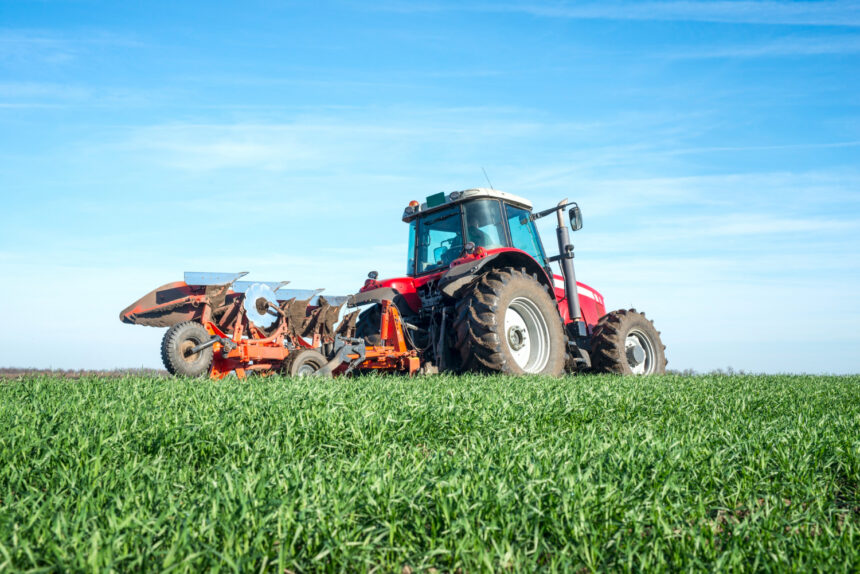
The first step in selecting implements is understanding your farming goals and the type of work you need to perform. Common implements include ploughs for soil turning, harrows for breaking soil clumps, planters for seed placement, sprayers for crop protection and trailers for transport. Livestock farmers often rely on feed mixers, bale handlers and slashers for pasture management. Each implement serves a specific purpose and must align with your production system. For example, maize farmers in South Africa often prioritise planters and fertiliser spreaders, while livestock farmers focus more on mowing and feeding equipment. Matching the implement to the task ensures efficiency and reduces unnecessary strain on the tractor.
Tractor size and power rating are critical factors when selecting implements. Every implement requires a specific horsepower range and hitch compatibility to function correctly. Using equipment that is too large for your tractor can lead to mechanical damage, poor performance and increased fuel consumption. Smaller implements may be safer but can reduce efficiency and increase working time. Farmers should always check the manufacturer’s specifications before purchasing any implement. PTO compatibility and hydraulic requirements also matter because many modern implements rely on these systems for operation. Getting this match right improves performance and extends the life of both tractor and equipment.
Soil conditions and farm environment in South Africa also influence implement selection. Heavy clay soils require stronger, more robust implements that can penetrate and break compacted ground. Sandy soils, on the other hand, need lighter tools that do not overwork the tractor or disturb soil structure unnecessarily. In dry regions, conservation agriculture tools such as no-till planters are becoming more important because they help retain moisture and reduce erosion. In wetter areas, drainage and soil aeration tools are often prioritised. Understanding local conditions helps farmers choose implements that improve productivity rather than damage the land over time.
Budget and long term value also play a major role in decision making. While cheaper implements may seem attractive, they often wear out faster and require more maintenance. Higher quality equipment usually offers better durability, improved performance and lower long term operating costs. Farmers should also consider availability of spare parts and local service support before purchasing. In many parts of South Africa, downtime during planting or harvesting seasons can result in significant financial losses. Investing in reliable implements reduces breakdown risks and ensures smoother farm operations throughout the year.
Maintenance and operator skill are often overlooked but are just as important as the initial purchase decision. Even the best implement will perform poorly if it is not maintained properly or used incorrectly. Regular cleaning, lubrication and inspection help prevent breakdowns and extend equipment lifespan. Operators should be trained to adjust settings such as depth, speed and pressure depending on field conditions. Proper use also improves fuel efficiency and ensures more consistent results across the farm. Farmers who invest time in maintenance and training often achieve higher productivity with lower operating costs.
Selecting the right tractor implements in South Africa requires careful consideration of farm needs, tractor capacity, soil conditions and long term value. Each decision affects productivity, cost efficiency and overall farm performance. Farmers who take time to match implements correctly to their operations gain better yields and reduce unnecessary equipment wear. With the right combination of tools and proper maintenance practices, tractors become powerful assets that support sustainable and efficient farming. Making informed choices today helps build stronger, more profitable farming systems for the future.
Join 'Farmers Mag' WhatsApp Channel
Get the latest Farming news and tips delivered straight to your WhatsApp
CLICK HERE TO JOIN