Barley farming in South Africa plays an important role in supporting the country’s brewing industry, animal feed production and food supply chains. The crop is well suited to cooler climates and performs best in regions with moderate rainfall and controlled irrigation systems. Farmers grow barley mainly for malt production, which is a key ingredient in beer manufacturing, as well as for livestock feed. The crop offers steady demand, especially through contracts with maltsters and breweries. Success in barley farming depends on selecting the right region, using proper agronomic practices and managing the crop carefully from planting to harvest.
Barley grows best in the Western Cape, where winter rainfall and cool temperatures create ideal conditions for cultivation. Areas such as the Swartland and Overberg are well known for barley production due to their reliable seasonal climate patterns. These regions provide the moisture needed during early growth stages and dry conditions during harvest. Barley prefers temperatures between 15°C and 25°C, making South Africa’s winter growing season suitable for production. Farmers outside the Western Cape can also grow barley under irrigation, but careful water management is required. Choosing the correct production area is one of the most important decisions for yield success.
Soil preparation is a key step in barley farming and directly affects crop performance. Barley grows well in well-drained loamy soils with good fertility and moderate organic matter content. Heavy clay soils or waterlogged fields should be avoided because they reduce root development and increase disease risk. Soil testing is essential before planting to determine nutrient levels and pH balance. The ideal soil pH for barley is between 6.0 and 7.5, which supports optimal nutrient uptake. Proper ploughing, weed removal and soil conditioning help create a stable seedbed for uniform germination.
Seed selection also plays a major role in barley production success. Farmers in South Africa typically choose between malting barley and feed barley varieties depending on market demand. Malting barley must meet strict quality standards, including uniform grain size and low protein content. Popular varieties are selected for disease resistance, high yield potential and adaptation to local climate conditions. Certified seed is strongly recommended to ensure consistency and reduce the risk of seed-borne diseases. Planting the right variety ensures better market access and improved profitability.
Planting time is critical in barley farming because the crop depends on seasonal rainfall patterns. In the Western Cape, barley is usually planted from May to July, aligning with winter rains. Early planting helps the crop establish strong roots before the coldest part of the season. Farmers use precision seed drills to ensure even spacing and proper seed depth, usually between 3 cm and 5 cm. Recommended plant density varies depending on rainfall and soil fertility, but uniform distribution is essential for high yields. Poor planting practices can lead to uneven growth and reduced harvest quality.
Fertilisation is an important factor in achieving strong barley yields. Nitrogen, phosphorus and potassium are the primary nutrients required for healthy crop development. Nitrogen supports leaf growth and grain formation, while phosphorus promotes root development and early plant strength. Farmers often apply fertiliser based on soil test results to avoid over- or under-application. Split nitrogen applications during growth stages help improve efficiency and reduce nutrient loss. Balanced fertilisation ensures better grain quality, especially for malting barley, which requires controlled protein levels.
Weed, pest and disease control are essential components of barley farming in South Africa. Weeds compete with barley for nutrients, water and sunlight, so early control is critical. Common diseases include powdery mildew, leaf rust and net blotch, which can reduce yield and grain quality if not managed. Farmers often use integrated pest management strategies, combining crop rotation, resistant varieties and selective chemical treatments. Regular field monitoring helps identify problems early and prevents widespread damage. Good crop hygiene and proper rotation with legumes or canola also reduce disease pressure.
Water management is another key consideration, especially in irrigated barley production systems. Although barley is more drought tolerant than some grains, it still requires sufficient moisture during germination and grain filling stages. Over-irrigation should be avoided because it can lead to disease development and poor root growth. Efficient irrigation systems such as pivot or drip irrigation help maintain consistent soil moisture levels. Farmers must carefully monitor rainfall and soil conditions to avoid stress during critical growth periods. Proper water management improves both yield and grain quality.
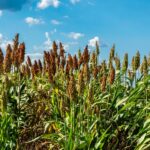
Harvesting barley at the right time is essential to maintain quality and prevent grain loss. The crop is usually ready for harvest when moisture levels drop and the heads turn golden brown. In South Africa, barley is typically harvested between October and November, depending on planting time and region. Mechanical harvesting using combine harvesters is common and helps reduce losses. After harvesting, the grain must be dried and stored under controlled conditions to prevent spoilage. Proper post-harvest handling is especially important for malting barley, which requires strict quality standards.
Barley farming in South Africa offers strong opportunities for both commercial and contract growers, especially those linked to the brewing industry. The crop is relatively stable when managed correctly and benefits from established market demand. Farmers who focus on soil health, proper variety selection and efficient water use can achieve consistent yields and high-quality grain. Climate adaptation and sustainable farming practices are becoming increasingly important in maintaining productivity. With the right approach, barley farming can remain a profitable and reliable part of South Africa’s agricultural landscape.
Join 'Farmers Mag' WhatsApp Channel
Get the latest Farming news and tips delivered straight to your WhatsApp
CLICK HERE TO JOIN