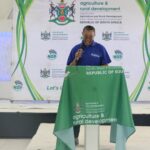
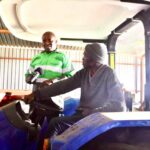
A provincial environmental and education-focused visit in Standerton placed strong emphasis on food security, climate awareness and practical agricultural learning in schools. The initiative highlighted how early education can shape sustainable habits and improve nutrition outcomes for learners in under-resourced communities. The programme also demonstrated how government support can directly improve school feeding efforts while building long-term environmental skills. Community members and educators welcomed the hands-on approach that links agriculture with learning. The visit showed a clear focus on turning schools into active contributors to local food production and climate resilience.
Earlier in the day, Khethiwe Moeketsi visited Zikhetheleni Secondary School to monitor progress made after the introduction of Smart Agriculture Boxes. These boxes were previously donated to help learners gain practical experience in food production and sustainable farming techniques. The MEC assessed how the tools were being used to support the school’s agricultural activities and improve learner participation in food-growing projects. She also donated additional Smart Agriculture Boxes to expand the existing programme. The expansion aimed to ensure that more learners can take part in structured agricultural learning and benefit from hands-on experience.
During the visit, the MEC also supported the establishment of a school food garden designed to strengthen the institution’s nutrition programme. The garden was introduced to help supplement meals provided to learners and improve access to fresh produce. Staff and learners were encouraged to actively maintain the garden as part of their daily school activities. The initiative was designed to build practical farming skills while also addressing nutritional needs in a sustainable way. It also created an opportunity for learners to understand where food comes from and how it can be produced locally. The approach linked education directly with real-life food security challenges facing communities.
The programme reinforced the importance of integrating agriculture into the school environment as a tool for both education and welfare. It showed how targeted support can improve nutrition while also teaching valuable life skills to young people. The Smart Agriculture Boxes and food garden project demonstrated a model that can be replicated in other schools facing similar challenges. The initiative highlighted the role of government partnerships in strengthening school feeding programmes through sustainable methods. It also showed how climate-smart practices can be introduced at an early age to build long-term environmental awareness. The visit ended with a strong message on sustaining these efforts to ensure lasting impact for learners and communities.
Join 'Farmers Mag' WhatsApp Channel
Get the latest Farming news and tips delivered straight to your WhatsApp
CLICK HERE TO JOIN