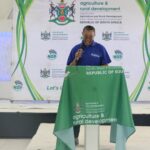
The National Department of Agriculture has taken another important step toward strengthening South Africa’s agricultural sector by hosting a Fresh Produce Marketing Workshop in Thulamahashe, Mpumalanga. The workshop brought together farmers and agricultural stakeholders with the aim of improving their understanding of fresh produce markets and equipping them with practical skills needed to succeed in an increasingly competitive industry. Agriculture remains a critical contributor to food security, rural development, and economic growth across the country. However, many farmers face challenges when it comes to accessing profitable markets and meeting industry requirements. By focusing on key aspects of agricultural marketing and production standards, the workshop provided participants with valuable knowledge that can help transform farming operations into sustainable and market-oriented businesses.
One of the primary areas covered during the workshop was market research, which is essential for farmers seeking to understand consumer demand and identify profitable opportunities. Market research allows producers to gain insight into what products are needed, when they are needed, and where they are most likely to be sold. This information helps farmers make informed decisions about what crops to grow and how much to produce. Without proper market knowledge, farmers risk producing goods that may not meet market demand, resulting in financial losses and wasted resources. The workshop highlighted practical methods for gathering and interpreting market information, helping farmers develop a stronger understanding of the agricultural marketplace.
Marketing planning was another key component of the training. Successful farming requires more than producing high-quality crops, as farmers must also have a clear strategy for reaching buyers and securing profitable sales. Participants learned how to develop marketing plans that align production activities with market opportunities. These plans help farmers identify target markets, set business goals, and determine the most effective ways to promote and distribute their products. A well-developed marketing strategy can improve business performance, reduce uncertainty, and create opportunities for long-term growth. The workshop demonstrated how planning can help farmers become more proactive in managing their agricultural enterprises.
Pricing strategies were also discussed in detail, as determining the correct price for agricultural products is often a challenge for producers. Farmers need to balance production costs, market conditions, and consumer expectations when setting prices. Charging too little can reduce profitability, while charging too much may make products less competitive. The workshop provided practical guidance on understanding pricing structures and evaluating market trends. Farmers were encouraged to consider factors such as transportation costs, packaging expenses, and market demand when calculating prices. This knowledge enables producers to make informed pricing decisions that support business sustainability and profitability.
Packaging and quality standards formed another important part of the workshop programme. In today’s agricultural industry, buyers and consumers expect products that meet strict quality requirements and are presented in a professional manner. Effective packaging protects produce during transportation, extends shelf life, and enhances product appeal. At the same time, maintaining quality standards ensures that products remain competitive in local and international markets. Workshop participants gained insight into industry expectations regarding product grading, handling, and presentation. These skills help farmers improve product quality, strengthen customer confidence, and increase their chances of accessing premium markets.
The workshop also highlighted the role of the Agricultural Produce Agents Council (APAC), an important institution within South Africa’s agricultural marketing system. APAC plays a significant role in regulating agricultural produce agents and promoting transparency within the fresh produce sector. Understanding the council’s responsibilities helps farmers navigate market processes more effectively and engage with industry stakeholders in a compliant manner. The workshop provided information on how APAC contributes to fair trading practices and supports confidence throughout the agricultural value chain. By understanding the council’s role, farmers can better protect their interests while building stronger relationships with buyers and agents.
Market information systems were another critical topic discussed during the training. Access to reliable and up-to-date information can significantly improve decision-making and business performance. Farmers who understand market trends, pricing movements, and consumer preferences are better positioned to respond to changing conditions. Market information systems provide valuable data that can help producers identify opportunities and reduce risks. During the workshop, participants learned how these systems can support production planning and marketing decisions. This knowledge allows farmers to remain competitive and make strategic choices based on accurate information rather than assumptions.
An equally important focus area was quarantine pest management, which plays a vital role in protecting agricultural production and maintaining market access. Pests and diseases can have devastating consequences for crop yields, product quality, and trade opportunities. Effective pest management helps farmers reduce losses while ensuring compliance with national and international regulations. The workshop provided guidance on identifying quarantine pests, implementing preventive measures, and understanding the importance of biosecurity practices. By improving awareness and management of pest-related risks, farmers can safeguard their crops and strengthen their ability to participate in both domestic and export markets.
The Fresh Produce Marketing Workshop in Thulamahashe demonstrated the National Department of Agriculture’s commitment to supporting farmers through practical education and capacity building. By covering market research, marketing planning, pricing, packaging, quality standards, APAC regulations, market information systems, and quarantine pest management, the workshop provided a comprehensive set of tools for agricultural success. These skills empower farmers to produce with the market in mind, comply with industry requirements, and improve the quality and competitiveness of their products. As farmers apply the knowledge gained from the workshop, they will be better positioned to access new markets, increase profitability, and build resilient agricultural enterprises. Such initiatives are essential for promoting sustainable farming, strengthening rural economies, and ensuring the long-term growth of South Africa’s agricultural sector.
Join 'Farmers Mag' WhatsApp Channel
Get the latest Farming news and tips delivered straight to your WhatsApp
CLICK HERE TO JOIN