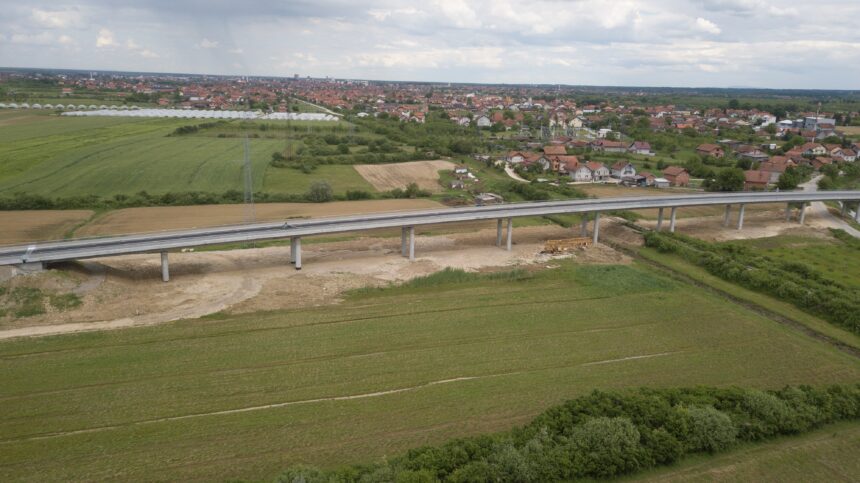
South Africa faces a growing challenge in balancing the need for increased food production with the expansion of human settlements. As the population continues to grow and urban areas expand, more land is required for housing, infrastructure, schools, healthcare facilities, and commercial developments. At the same time, agriculture remains essential for food security, economic growth, job creation, and rural development. The pressure on available land has created a complex situation where competing demands must be carefully managed. Finding the right balance between agricultural production and human settlement development is critical to ensuring a sustainable future for the country.
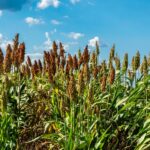
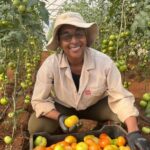
Agricultural land is one of South Africa’s most valuable resources. The country relies on productive farmland to supply fruits, vegetables, grains, livestock products, and other food items to both domestic and international markets. Provinces such as the Western Cape, Mpumalanga, Limpopo, KwaZulu-Natal, and the Free State play a significant role in national food production. However, urban expansion often takes place on land that is also suitable for farming because these areas are located near existing infrastructure and economic opportunities. As cities and towns continue to grow, productive agricultural land can be permanently lost to residential and commercial development. This trend raises concerns about the long term capacity of the country to produce sufficient food for its population.
Rapid urbanisation is one of the primary drivers behind the expansion of human settlements. Many South Africans continue to migrate from rural areas to cities in search of employment, education, and better living conditions. This migration increases demand for housing and public services, placing pressure on local governments to develop new residential areas. In some cases, agricultural land located on the outskirts of cities becomes attractive for housing projects because of its accessibility and existing infrastructure connections. While these developments help address housing needs, they can also reduce the amount of land available for farming. Effective planning is therefore necessary to ensure that urban growth does not undermine agricultural productivity.
Land use planning plays a vital role in balancing these competing demands. Government authorities at national, provincial, and municipal levels must work together to identify areas suitable for development while protecting high value agricultural land. Strategic spatial planning can help direct urban growth toward less productive land and encourage more efficient land use within existing urban boundaries. Densification strategies, mixed use developments, and improved public transport systems can reduce the need for uncontrolled urban sprawl. By implementing thoughtful planning policies, South Africa can support both housing development and agricultural sustainability.
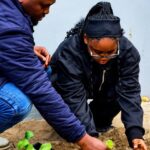
Technology and innovation are also helping farmers produce more food from limited land resources. Precision agriculture, improved irrigation systems, advanced seed varieties, and modern farming techniques allow producers to increase yields while using resources more efficiently. Vertical farming, hydroponics, and urban agriculture are emerging solutions that can supplement traditional food production in certain areas. These innovations create opportunities to produce food closer to consumers while reducing pressure on conventional farmland. As technology continues to advance, it may provide additional tools to help balance food production with expanding human settlements.
Food security remains one of the most important reasons for protecting agricultural land. A growing population requires a reliable and affordable food supply, and domestic production plays a key role in achieving this objective. When productive farmland is lost, the country may become more dependent on food imports, exposing consumers to global price fluctuations and supply disruptions. Protecting agricultural resources helps ensure that South Africa can continue producing sufficient food while supporting rural livelihoods and economic stability. Maintaining strong agricultural production is therefore closely linked to national resilience and long term development goals.
The relationship between agriculture and human settlements should not be viewed as a conflict but as an opportunity for integrated development. Well planned communities can coexist with productive farming areas when proper zoning, infrastructure planning, and environmental management practices are applied. Agricultural activities can also contribute to local economies by creating jobs, supporting food supply chains, and preserving open spaces. Collaboration between government, farmers, developers, and communities is essential to achieving outcomes that benefit all stakeholders. Sustainable development requires solutions that address both housing needs and agricultural priorities simultaneously.
Balancing food production with human settlements in South Africa is one of the most important planning challenges facing the country today. Population growth and urban expansion will continue to increase demand for land, making careful management of agricultural resources more important than ever. Through effective land use planning, technological innovation, and strong policy implementation, South Africa can protect its food production capacity while meeting the housing and infrastructure needs of its people. Success will depend on cooperation across sectors and a long term commitment to sustainable development. By finding the right balance, the country can support economic growth, strengthen food security, and build resilient communities for future generations.
Join 'Farmers Mag' WhatsApp Channel
Get the latest Farming news and tips delivered straight to your WhatsApp
CLICK HERE TO JOIN