The Eastern Cape Rural Development Agency (ECRDA) has reported strong progress from its community-based agri-entrepreneurs, showing measurable gains in job creation, crop production and livestock expansion across the province. These results highlight how rural farming systems can perform even under difficult weather conditions, including heatwaves and hailstorms that have affected production cycles. The agency’s work continues to strengthen grain, vegetable and fodder value chains while expanding cultivated land in key agricultural districts. This progress reflects a growing shift toward structured rural entrepreneurship, where farming is treated as a business rather than subsistence activity. It also demonstrates the resilience of Eastern Cape farmers who continue to drive agricultural development despite environmental pressures.
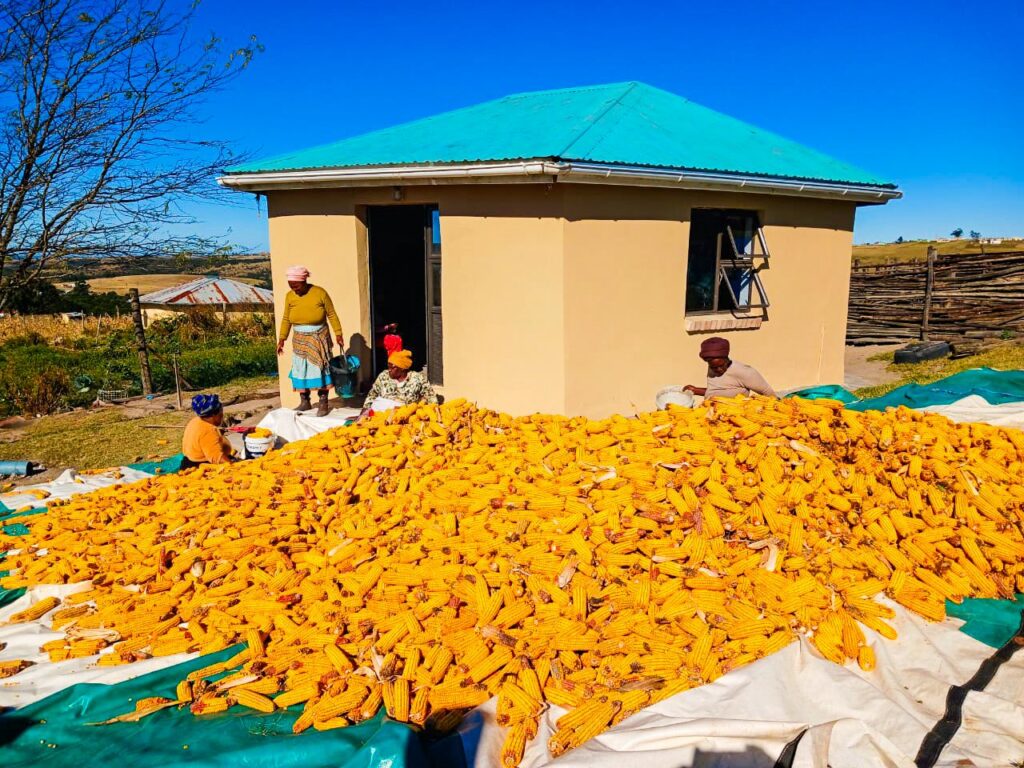
Job creation has been one of the most significant outcomes of ECRDA’s support programmes, with performance exceeding set targets by a wide margin. The agency recorded 184 full-time jobs created or sustained against a target of 83, showing strong growth in rural employment opportunities. In addition, 308 seasonal jobs were created, providing short-term income opportunities during peak farming periods. These jobs are directly linked to agricultural production activities such as planting, harvesting, livestock management and farm infrastructure development. The increase in employment reflects how structured agricultural support can stimulate rural economies and reduce joblessness in farming communities.
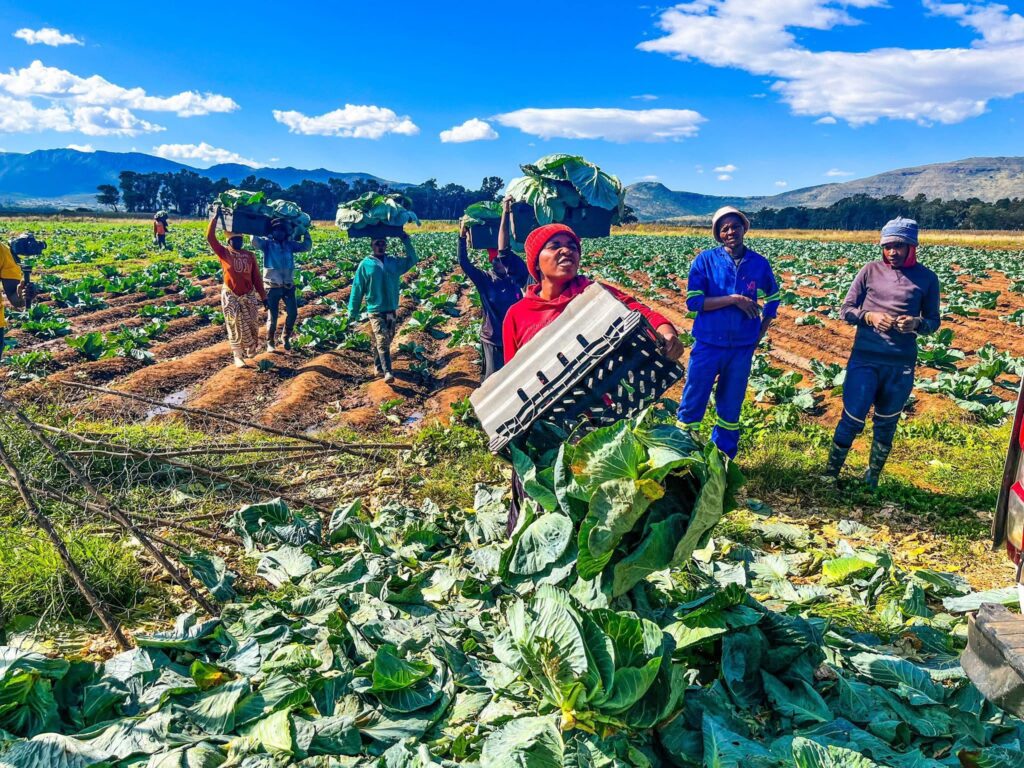
Crop production has also shown strong performance across supported programmes, particularly in grain farming systems. A total of 1,839 hectares of grain were cultivated, surpassing the target of 1,756 hectares, which indicates improved land use and expanded production capacity. Vegetable production also exceeded expectations, reaching 78.1 hectares against a target of 50 hectares, showing strong growth in high-value crop farming. Fodder production slightly surpassed its target with 253 hectares planted compared to the planned 250 hectares, supporting livestock feeding systems across participating farms. These results demonstrate improved coordination in production planning and better utilisation of available agricultural land.
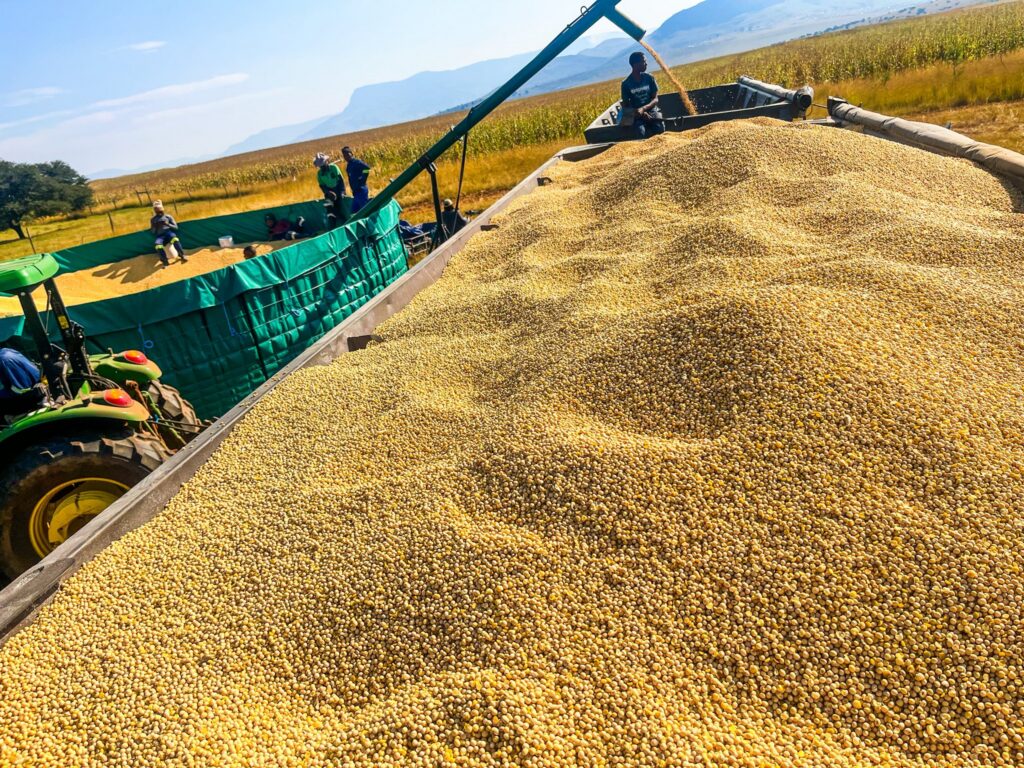
These achievements come from more than 100 agri-entrepreneurs supported under ECRDA’s Grain, Fodder and Vegetable (Food) Crops Programme, which focuses on building sustainable and commercially viable rural farming systems. The programme is designed to improve food security while also helping farmers transition into formal agricultural markets. Farmers involved in the programme are spread across the OR Tambo, Amathole, Chris Hani, Joe Gqabi and Alfred Nzo district municipalities, creating a wide provincial footprint. This geographic spread ensures that agricultural development benefits multiple rural regions rather than being concentrated in a few areas. It also supports regional food production stability and local economic development.
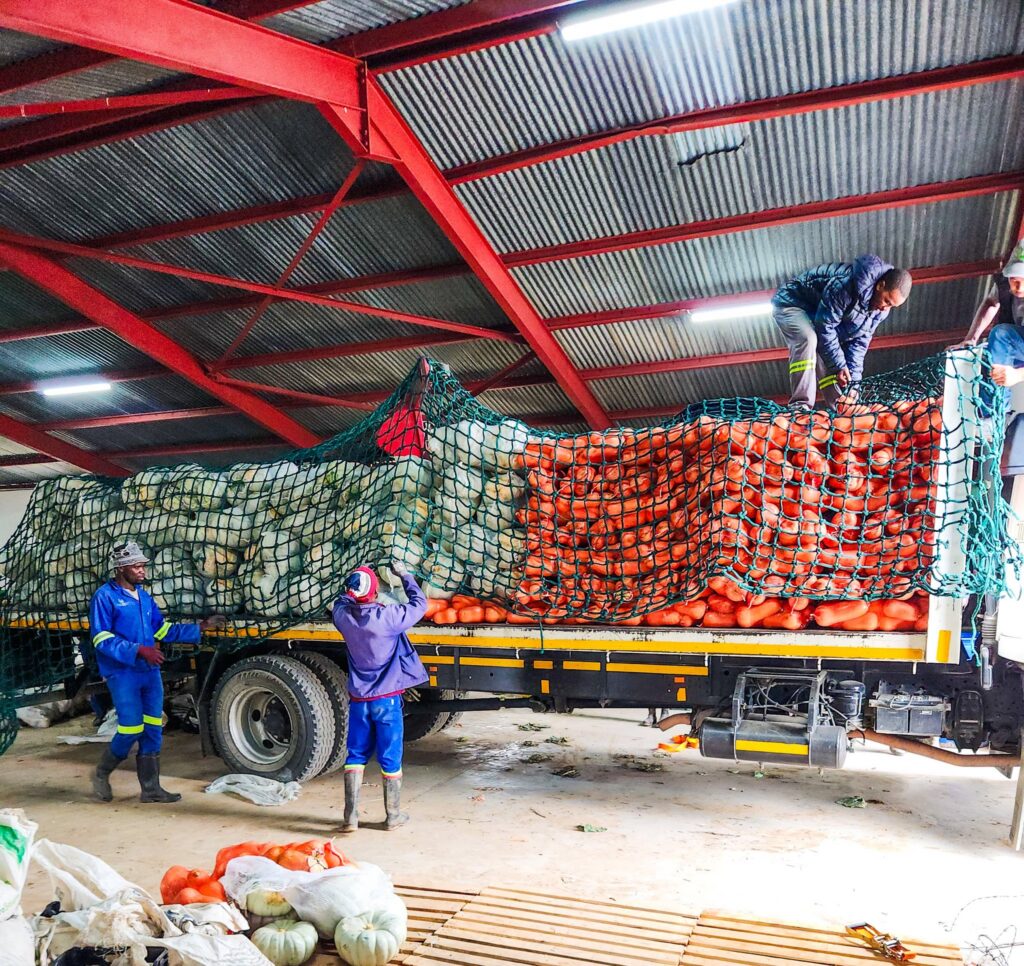
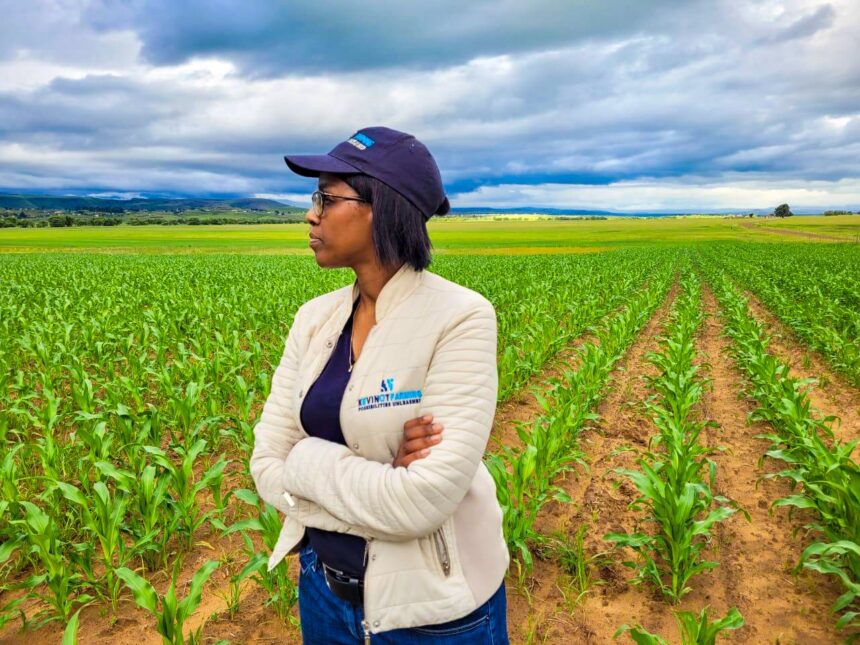
One of the standout success stories is Kevinot Farming, a rural enterprise managed by young farmer Ms Nonopa Tenza in Matatiele. The farm represents a transformation from underutilised land into a productive agricultural operation. At the start of the project, the farm lacked fencing, equipment, livestock handling infrastructure, storage facilities and even habitable farm buildings. This made farming operations difficult and limited production potential significantly. However, with structured support, the farm has been transformed into a functioning and expanding agricultural business.
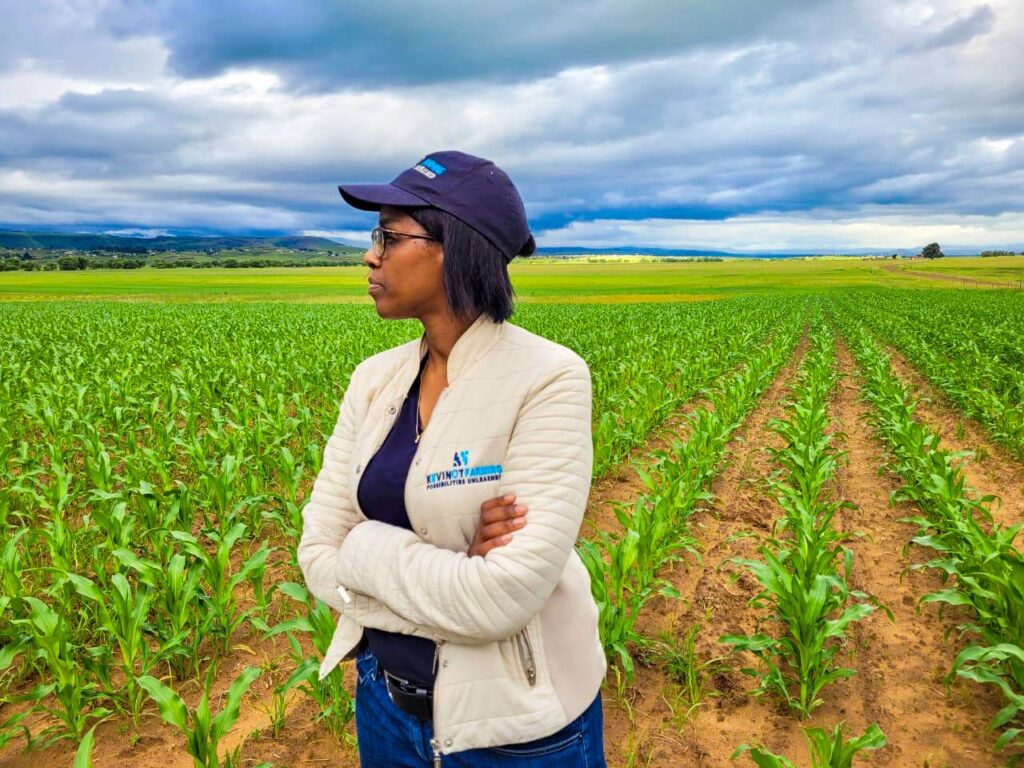
ECRDA provided Kevinot Farming with essential crop production support, ongoing monitoring and sustainability assistance to ensure long-term success. Financial investment enabled the purchase of a tractor, fencing and livestock, including an initial herd of 42 sheep consisting of two rams and 40 pregnant ewes. This intervention created a strong foundation for both crop and livestock production systems on the farm. Over time, the enterprise has grown significantly and now includes more than 135 cattle and 279 sheep. This growth demonstrates how targeted agricultural support can rapidly improve productivity and build commercial farming capacity in rural areas.
Ms Tenza highlighted the importance of institutional support in transforming the farm into a sustainable business. She noted that ECRDA’s intervention came at a critical time and enabled the farm to recover from its initial challenges. The support provided not only improved production capacity but also created employment opportunities within the surrounding community. The farm now contributes to local economic activity and serves as an example of how youth-led agriculture can succeed with the right support structures. This success story reflects the broader impact of rural development programmes focused on commercialisation and sustainability.
Kevinot Farming is one of many agri-entrepreneurs achieving strong results across the Eastern Cape, showing that structured support systems can deliver measurable outcomes. The success of these farmers is supported by collaboration between ECRDA and key partners including the Department of Agriculture, the Land and Agricultural Development Bank of South Africa, African Seed Group, HelloChoice, Potato SA, the Eastern Cape Development Corporation and the Small Enterprise Development and Finance Agency. These partnerships help improve access to funding, inputs, markets and technical expertise. They also strengthen the overall agricultural value chain by linking farmers to broader commercial networks. This integrated support model is key to expanding rural agriculture in a sustainable way.
ECRDA leadership has expressed satisfaction with the positive results achieved through these programmes, noting that they align with the goal of building an inclusive rural economy. The agency emphasised that its call for partners to support rural agricultural transformation has yielded strong results. Collaboration between public institutions, private sector partners and farmers has created a more coordinated approach to rural development. This has improved production efficiency, expanded market access and strengthened the commercial potential of rural agriculture. It also reflects a long-term commitment to transforming rural economies through agriculture-led growth.
The continued success of agri-entrepreneurs in the Eastern Cape shows that agriculture remains a powerful driver of employment, food security and rural development. Through structured support, improved access to resources and strong partnerships, farmers are able to expand production and build sustainable businesses. The combination of grain, vegetable and livestock production systems is helping to diversify rural economies and reduce dependency on limited income sources. As more farmers enter formal agricultural markets, the province is expected to see continued growth in productivity and rural livelihoods. The progress achieved by ECRDA reinforces the importance of investment in community-based agriculture as a foundation for long-term economic development in the Eastern Cape.
Join 'Farmers Mag' WhatsApp Channel
Get the latest Farming news and tips delivered straight to your WhatsApp
CLICK HERE TO JOIN