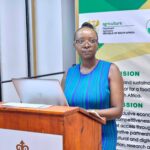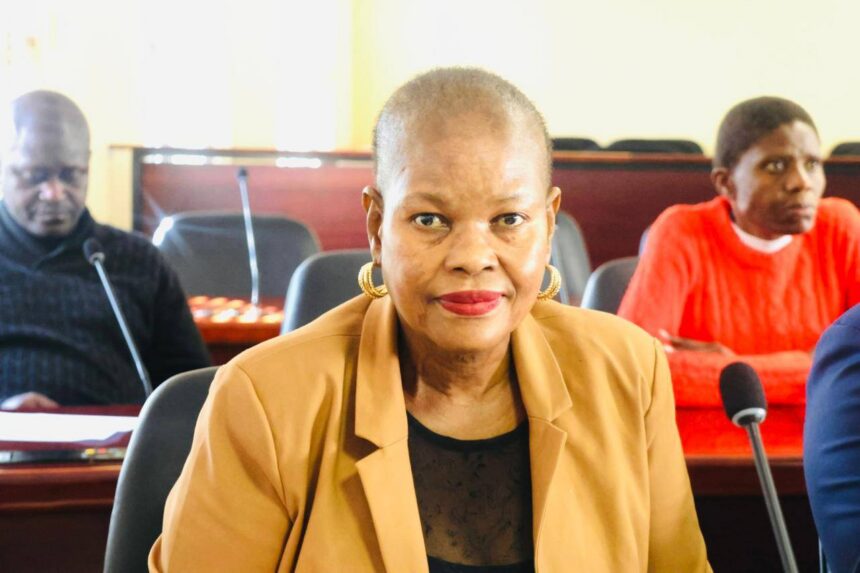
On 02 June 2026, the Limpopo Department of Agriculture and Rural Development (LDARD) placed practical farming development at the centre of the Provincial Youth Month celebrations held in Waterberg, Bela-Bela. MEC for Agriculture Nakedi Grace Kekana used the platform to outline how youth programmes are being linked directly to production systems and rural agribusiness growth. The focus moved beyond awareness and speeches into structured support for young people entering crop and livestock farming. The event highlighted how agriculture in Limpopo is shifting toward skills-based participation, where young farmers are expected to contribute to real production outputs. It also reinforced the province’s strategy of building a pipeline of emerging farmers who can operate in commercial and semi-commercial environments.
The practical support model presented in Bela-Bela focused on turning agricultural training into active farming operations. LDARD has expanded access to production inputs such as seedlings, fertiliser support, irrigation starter packs and livestock units for qualifying youth participants. The programme also connects graduates in agriculture to working farms where they gain hands-on experience in planting cycles, animal health management and farm planning. Extension officers play a direct role in mentoring participants, ensuring that theoretical training is applied in real production conditions. This approach aims to reduce the gap between academic qualifications and farm-level productivity.
A key component of the department’s strategy is infrastructure support for emerging farmers across the Waterberg district. LDARD is investing in irrigation systems, fencing, storage facilities and livestock handling infrastructure to improve farm efficiency. These investments are targeted at both school-based agricultural programmes and farming academies that serve as early-entry points into the sector. Learners are exposed to crop production systems such as maize, vegetables and legumes, alongside livestock operations including poultry, goats and cattle. The goal is to build technical familiarity from a young age so that agriculture becomes a viable career path rather than a fallback option.
MEC Kekana emphasized that youth participation must translate into measurable production outcomes if agriculture is to drive rural economic growth. LDARD is supporting structured incubation models where young farmers manage defined plots or livestock units under supervision. These models are designed to teach budgeting, input management, pest control, and market preparation in a controlled environment. The department also links participants to local markets, cooperatives and agro-processing opportunities to improve income generation. This creates a full value-chain exposure that goes beyond farming into agribusiness development.
The programme also addresses one of the biggest barriers facing young farmers, access to land and production resources. LDARD works with local authorities and communities to identify underutilised land that can be allocated to emerging producers under monitored agreements. Young farmers are also supported through training in climate-smart agriculture practices, including water-efficient irrigation systems and drought-resilient crop selection. Livestock producers receive guidance on herd management, feed optimisation and disease prevention to improve productivity. These interventions are designed to make new entrants more resilient in a sector that is heavily affected by climate variability and input cost pressures.
The Youth Month engagement in Bela-Bela reinforced a clear shift toward practical agriculture development in Limpopo. Instead of focusing only on participation, the programme prioritises production, skills application and economic returns from farming activities. MEC Kekana’s message centred on building a modern agricultural sector where young people operate as producers, managers and agri-entrepreneurs. The department’s continued investment in infrastructure, training and production inputs reflects a long-term strategy to strengthen food security while expanding rural employment. The initiative positions agriculture as a structured economic pathway that can support both household income and provincial growth if implemented at scale.
Join 'Farmers Mag' WhatsApp Channel
Get the latest Farming news and tips delivered straight to your WhatsApp
CLICK HERE TO JOIN