Bush encroachment continues to pose a serious threat to grazing land, biodiversity and agricultural productivity across South Africa. The spread of dense woody plants into grasslands reduces available grazing space for livestock and disrupts natural ecosystems. This leads to lower livestock productivity, increased land degradation and rising costs for farmers who depend on healthy veld conditions. Addressing this challenge requires coordinated action, practical land management strategies and continuous innovation. Government, researchers and farmers are increasingly working together to find long-term solutions that can restore balance to affected landscapes and protect rural livelihoods.
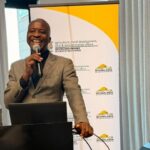
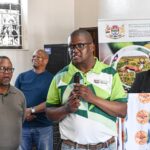
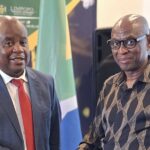
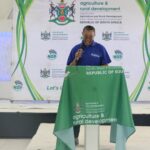
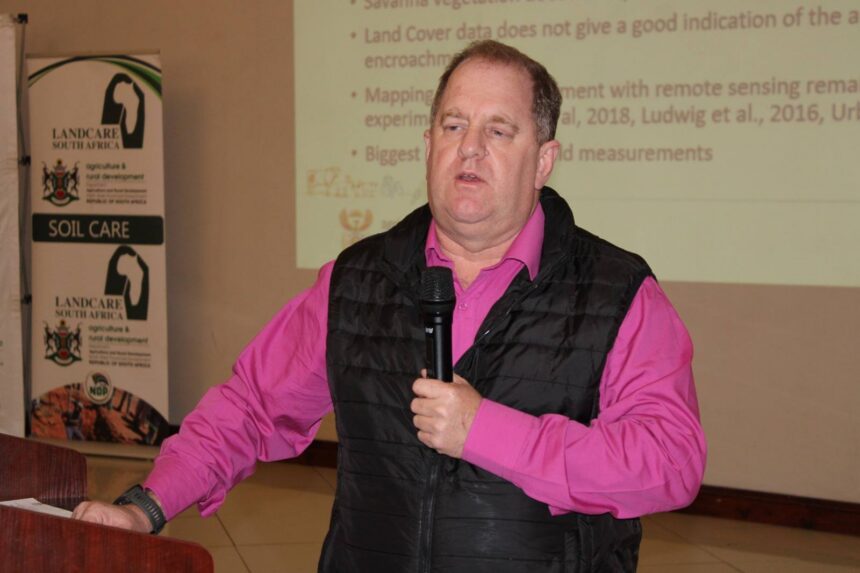
In response to this growing environmental and agricultural concern, the National Department of Agriculture together with the North West Department of Agriculture and Rural Development is hosting a two-day Bush Encroachment Seminar in the Dr Kenneth Kaunda District Municipality. The seminar brings together a wide range of stakeholders including government officials, researchers, industry experts, farmers and environmental practitioners. The main aim is to strengthen collaboration and share practical knowledge on how to manage bush encroachment more effectively. Participants are engaging on evidence-based approaches that can improve grazing capacity and support sustainable agricultural production. The gathering reflects a national effort to address land degradation challenges through shared expertise and coordinated planning.
A key focus of the seminar is the impact of bush encroachment on livestock farming systems. As woody vegetation spreads, grasslands become less productive and grazing areas shrink significantly. This directly affects cattle, sheep and goat farming, which rely heavily on natural veld conditions. Farmers are often forced to reduce herd sizes or invest in costly supplementary feed to maintain productivity. These pressures place financial strain on farming operations, especially for small-scale and communal farmers. The seminar is examining how improved veld management practices can reverse these trends and restore productive grazing land.
Researchers and technical experts at the seminar are presenting innovative methods for controlling bush encroachment. These include mechanical clearing, controlled burning, selective harvesting and integrated land restoration techniques. There is also growing interest in utilising removed biomass for economic opportunities such as charcoal production, bioenergy and animal feed supplements. These approaches aim not only to clear encroached land but also to create value from the cleared vegetation. By turning a challenge into an opportunity, stakeholders are exploring ways to support both environmental restoration and rural economic development.
Collaboration between government and the agricultural sector is central to the discussions taking place in the Dr Kenneth Kaunda District Municipality. Officials are emphasising the need for coordinated policies and consistent implementation across provinces. Farmers are sharing their experiences of managing encroached land and highlighting practical challenges faced on the ground. Industry stakeholders are contributing technical knowledge and exploring investment opportunities in land rehabilitation projects. This multi-stakeholder approach is seen as essential for developing scalable solutions that can be applied across different ecological zones in South Africa.
The seminar also highlights the importance of biodiversity conservation within agricultural landscapes. Bush encroachment alters natural ecosystems by reducing grass species diversity and changing habitat structures for wildlife. This has long-term consequences for ecological balance and land sustainability. Participants are discussing how veld management practices can support both agricultural productivity and environmental protection. The goal is to ensure that land restoration efforts do not only benefit livestock farming but also preserve natural ecosystems for future generations.
Another important theme is climate resilience and the increasing pressure placed on agricultural systems by environmental change. Changing rainfall patterns, rising temperatures and prolonged droughts intensify the effects of bush encroachment. These conditions make it even more difficult for grasslands to recover naturally without intervention. The seminar is exploring how climate-smart land management practices can improve resilience and reduce vulnerability. This includes early intervention strategies and continuous monitoring of veld conditions to prevent further degradation.
Economic sustainability is also a key consideration in addressing bush encroachment. Restoring grazing land has direct benefits for livestock production, rural employment and food security. Healthy veld systems reduce operational costs for farmers and increase productivity over time. The discussions are focusing on how investment in land rehabilitation can deliver long-term economic returns for rural communities. Stakeholders are also exploring funding models and public-private partnerships to support large-scale restoration initiatives.
The Bush Encroachment Seminar in the Dr Kenneth Kaunda District Municipality represents an important step toward building a coordinated national response to land degradation. By bringing together diverse stakeholders, the event strengthens knowledge sharing and promotes practical solutions for sustainable land use. The emphasis on collaboration, innovation and implementation reflects a growing recognition that environmental challenges require collective action. As discussions continue, the outcomes of the seminar are expected to guide future veld management strategies and support more resilient agricultural systems across South Africa.
Join 'Farmers Mag' WhatsApp Channel
Get the latest Farming news and tips delivered straight to your WhatsApp
CLICK HERE TO JOIN