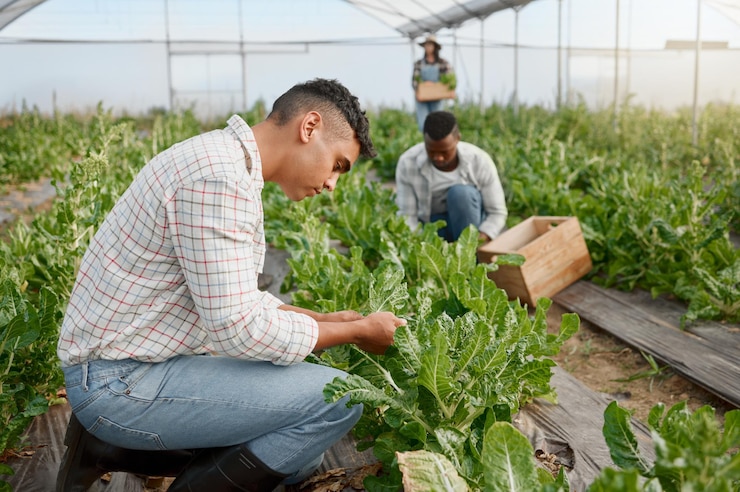
Spinach, often referred to as Swiss chard in many farming contexts, is one of the most reliable leafy vegetables to grow in South Africa. It grows quickly, produces high yields, and adapts well to different climates across the country. Farmers value it because it has strong local demand in households, restaurants, and fresh produce markets. It also offers steady income when managed properly on small or large-scale farms. Many new farmers choose spinach because it requires relatively low startup costs compared to other crops. The crop can be harvested multiple times from the same planting, which increases profitability over time. With proper planning, spinach farming can become a consistent source of income throughout the year.
Successful spinach farming starts with selecting the right location and preparing the soil correctly. Spinach grows best in areas with full sun but can tolerate partial shade in hotter regions of South Africa. The ideal soil is well-drained, rich in organic matter, and has a pH between 6.0 and 7.0. Farmers should avoid waterlogged soils because they increase the risk of root diseases and poor plant growth. Before planting, it is important to add compost or well-rotted manure to improve soil fertility. A fine, loose soil structure helps seeds germinate evenly and allows roots to develop properly. In many regions, farmers also prepare raised beds to improve drainage and make watering more efficient.
Planting spinach requires careful spacing and consistent watering to ensure strong germination and healthy growth. Seeds are usually planted directly into the soil at a shallow depth of about 1 to 2 centimetres. Rows should be spaced about 30 centimetres apart to allow airflow and easy access during harvesting. After planting, the soil must be kept moist but not soaked, especially during germination which takes about 7 to 14 days. Thinning is necessary once seedlings emerge to avoid overcrowding and competition for nutrients. Farmers can also stagger planting every two to three weeks to ensure continuous harvests throughout the season. This method helps maintain a steady supply for markets and reduces waste from overproduction.
Caring for spinach plants involves regular watering, fertilisation, and pest control. Spinach needs consistent moisture, especially during dry and hot conditions common in parts of South Africa. Drip irrigation works well because it delivers water directly to the roots and reduces disease spread on leaves. Farmers should apply nitrogen-rich fertiliser to promote healthy leaf growth and improve yields. Common pests such as aphids, leaf miners, and caterpillars can damage crops if not managed early. Organic control methods such as neem oil or insecticidal soap can help reduce pest populations without harming the environment. Regular field inspection is important to detect problems early and maintain crop quality.
Harvesting spinach can begin as early as four to six weeks after planting depending on growing conditions. Farmers can harvest outer leaves while allowing the inner leaves to continue growing, which extends the production cycle. This cut-and-come-again method increases overall yield from a single planting and improves farm efficiency. Fresh spinach should be handled carefully to avoid bruising and should be stored in cool conditions after harvest. Marketing options include local fresh produce markets, supermarkets, roadside stalls, and direct sales to households. Demand remains strong because spinach is widely used in traditional meals and healthy diets. Proper grading and packaging help farmers achieve better prices and build repeat customers.
Spinach farming in South Africa offers a practical entry point for both small-scale and commercial farmers. It does not require large land areas, making it suitable for backyard gardens and community farms. With the right soil preparation, consistent watering, and pest management, farmers can achieve high productivity within a short time. The crop’s fast growth cycle allows multiple harvests per year, which improves income stability. Farmers who plan planting schedules carefully can supply markets consistently and reduce income gaps between harvests. Strong local demand ensures that well-managed spinach farms rarely struggle to find buyers. With disciplined management and attention to detail, spinach farming can become a reliable and sustainable agricultural business.
Join 'Farmers Mag' WhatsApp Channel
Get the latest Farming news and tips delivered straight to your WhatsApp
CLICK HERE TO JOIN