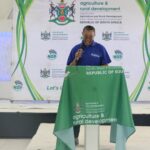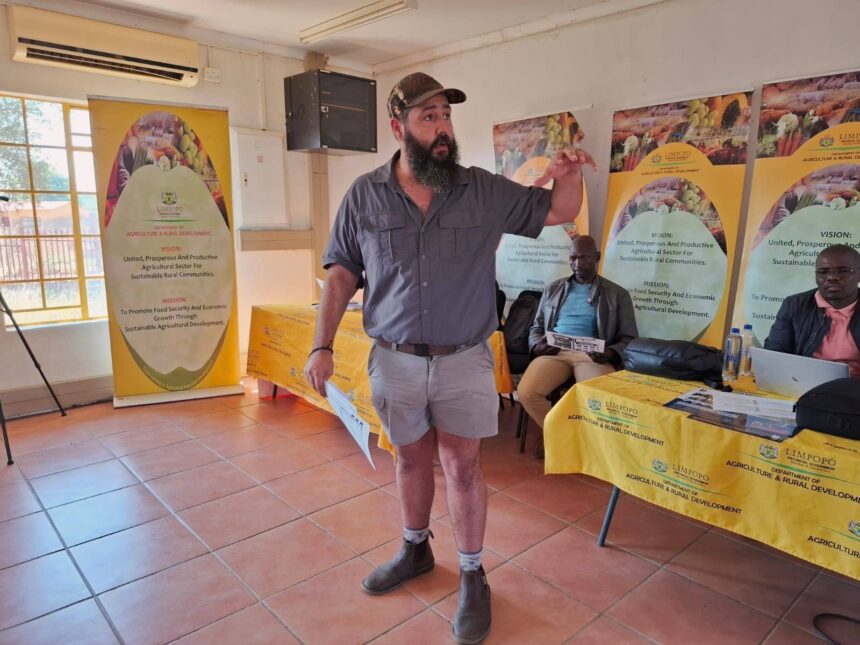
The Limpopo Department of Agriculture and Rural Development recently hosted a Cattle Farmers Day at the Thušong Service Centre in Ga-Selwana Village within the Mopani East Agro-ecological Zone. The event formed part of the broader Service Delivery Week launched by Limpopo Premier Dr Phophi Ramathuba, aimed at bringing government services closer to rural communities. The initiative brought together livestock farmers from surrounding villages who depend on cattle farming for income, food security and local trade. The gathering focused on improving practical skills that directly support productivity and long-term sustainability in livestock enterprises. It also created a platform for farmers to engage directly with agricultural experts and government officials. The event highlighted the importance of knowledge transfer in strengthening rural economies and improving farming outcomes.
Farmers attending the event received training on several key aspects of cattle production that influence both productivity and profitability. Topics included animal identification methods, the use of proper handling facilities, feeding and supplementation practices, breeding and selection techniques, and the correct use of basic animal health kits. These topics were chosen to address common challenges faced by farmers in rural areas where access to veterinary services and technical support is often limited. The training also focused on improving daily farm management practices that help reduce losses and improve herd performance. Farmers were encouraged to apply the knowledge gained immediately in their operations to see measurable improvements. The practical nature of the sessions ensured that even small-scale farmers could understand and implement the techniques shared.
Agricultural Economist Tsakani Khupane played a central role in encouraging farmers to view livestock farming as a structured business rather than a subsistence activity. She emphasised that farmers who breed cattle for sale must understand market dynamics, cost management and production planning. According to Khupane, profitability depends on how well farmers integrate business principles into their farming operations. She explained that the information shared during the Farmers Day is intended to help farmers make informed decisions that improve financial outcomes. Khupane also highlighted that consistent record keeping and planning are essential for long-term success in livestock production. Her message reinforced the need for farmers to treat agriculture as a professional and profit-driven enterprise.
Breeding practices were identified as a key driver of productivity, with experts stressing the importance of selecting traits that deliver economic value. Mphapantsi Maake from Madzivhandila College explained that farmers should prioritise characteristics such as growth rate, body size and mating ability when selecting breeding stock. He cautioned against choosing animals based on appearance or personal preference without considering productivity outcomes. Maake noted that poor breeding decisions can reduce herd performance and limit profitability over time. He further explained that structured breeding programmes help farmers improve herd quality and increase market competitiveness. His presentation reinforced the idea that genetics plays a critical role in livestock success.
Nutrition was also highlighted as one of the most important factors affecting cattle health and performance. Experts explained that inadequate feeding weakens the immune system and reduces resistance to diseases, making livestock more vulnerable to outbreaks. Farmers were advised to prioritise balanced feeding strategies that include proper supplementation, especially during high-risk periods. The discussion also referenced ongoing concerns about Foot and Mouth Disease, which continues to threaten livestock production in several regions. Farmers were encouraged to ensure that nutrition plans support both growth and disease resistance. The emphasis on nutrition underscored its direct link to productivity, survival rates and overall herd performance.
Grace Makgobatlou, a Scientist Production from Mara Research Station, focused her presentation on the importance of proper livestock handling facilities. She explained that well-designed handling systems reduce stress on animals and improve safety for both livestock and handlers. Proper use of gates, chutes and pens was demonstrated as part of efficient livestock management practices. Makgobatlou noted that good handling facilities also reduce labour demands and save time during routine farm operations. She stressed that stress-free handling improves animal health and contributes to better productivity outcomes. Farmers were encouraged to invest in basic infrastructure that supports safe and efficient animal movement.
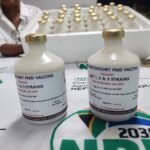
Kevin Peterson from Kyron AGRIC emphasised the importance of vaccination in maintaining herd health and preventing disease outbreaks. He described vaccination as an “insurance policy” for livestock, protecting animals from diseases that could otherwise lead to major losses. Peterson clarified that vaccines do not treat diseases but instead prevent infection and reduce outbreak risks. He warned that neglecting vaccination programmes increases vulnerability to serious livestock diseases, especially in communal farming areas. Farmers were urged to follow proper vaccination schedules and seek veterinary guidance where necessary. His message highlighted prevention as a cost-effective strategy for sustainable livestock farming.
The Cattle Farmers Day in Ga-Selwana Village formed part of the Limpopo Department of Agriculture and Rural Development ongoing efforts to empower both emerging and established farmers across rural communities. The programme focused on delivering practical knowledge that can be applied directly to improve livestock production systems. It also strengthened collaboration between government, academic institutions and private sector experts in supporting agricultural development. By equipping farmers with technical skills and business knowledge, the initiative aims to improve productivity and economic sustainability in rural areas. Continued engagement through such outreach programmes supports food security and rural development goals across the province. The Farmers Day demonstrated how targeted training can build stronger, more resilient livestock farming communities in Limpopo.
Join 'Farmers Mag' WhatsApp Channel
Get the latest Farming news and tips delivered straight to your WhatsApp
CLICK HERE TO JOIN