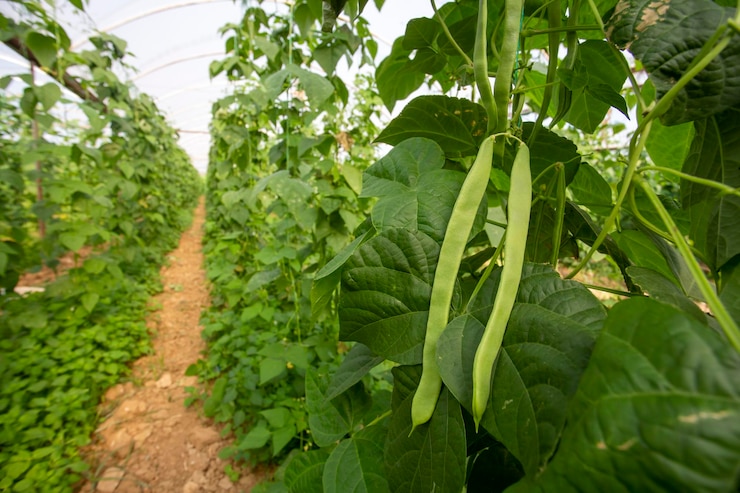
Dry beans are one of the most important protein crops grown in South Africa. They are affordable, nutritious and well suited to local farming conditions when managed correctly. Many smallholder and commercial farmers rely on dry beans for income and food security. You can grow them successfully if you understand soil needs, planting timing and crop management. This guide explains the key steps you need to follow to produce a strong and healthy dry bean crop in South Africa.
You need to start with the right climate and soil conditions. Dry beans grow best in warm areas with moderate rainfall and well drained soil. You should avoid waterlogged fields because excess moisture increases disease risk and reduces yields. Sandy loam soils work well because they allow good root development and drainage. You should also test your soil before planting so you can correct nutrient deficiencies early. Soil pH between 5.8 and 6.5 is ideal for healthy bean growth and good nutrient uptake.
Timing your planting correctly is critical for success. In most parts of South Africa, you should plant dry beans in spring or early summer when frost risk has passed. Early planting helps the crop take advantage of warm temperatures and good moisture conditions. You should also avoid planting too late because heat stress during flowering can reduce pod formation. Seed spacing matters as well, so you should plant rows about 45 to 60 cm apart with seeds spaced 5 to 10 cm within rows. This spacing helps improve airflow and reduces disease pressure in the field.
Good crop management practices will directly influence your yield. You need to control weeds early because dry beans do not compete well in the first stages of growth. Regular weeding or the use of approved herbicides can help keep fields clean. You should also monitor pests such as aphids, bean flies and leaf beetles, which can damage leaves and reduce plant strength. Disease control is equally important, especially for fungal infections like rust and root rot. Crop rotation is a strong strategy, so avoid planting beans in the same field year after year to reduce soil borne diseases.
Fertilisation plays a major role in achieving good yields. You should apply fertiliser based on soil test results to avoid over or under feeding the crop. Dry beans require moderate nitrogen, but too much nitrogen can lead to excessive leaf growth and poor pod formation. Phosphorus is important for root development and early plant growth. You should also consider using inoculants to improve nitrogen fixation in the soil, which helps reduce fertiliser costs. Proper nutrient management ensures strong plants that produce more pods and higher quality beans.
Harvesting and post harvest handling are the final steps that determine your profit. You should harvest dry beans when most pods are dry and brown but before they split open. Delayed harvesting can lead to losses from shattering and pests. After harvesting, you need to dry the beans further to reduce moisture content and prevent mould growth. Proper storage in clean, dry and ventilated conditions helps maintain quality and prevents infestation. Good handling ensures your beans meet market standards and fetch better prices.
Growing dry beans in South Africa can be highly rewarding when you follow the correct practices from planting to harvest. Success depends on good soil preparation, proper timing, pest control and careful harvesting. You improve your yield when you pay attention to detail at every stage of production. Dry beans remain a valuable crop for both food security and income generation across many farming systems. With the right approach, you can build a productive and sustainable bean farming operation that performs well in local and commercial markets.
Join 'Farmers Mag' WhatsApp Channel
Get the latest Farming news and tips delivered straight to your WhatsApp
CLICK HERE TO JOIN