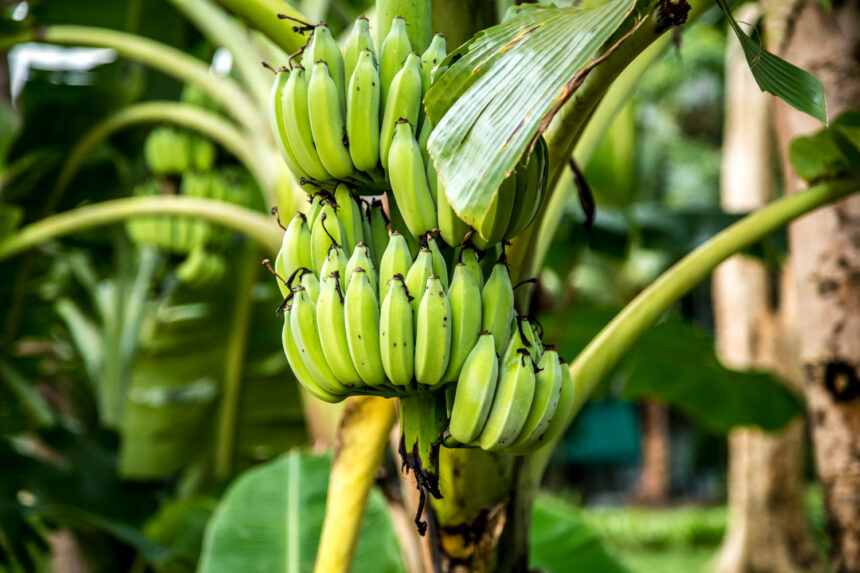
Banana farming is one of the most profitable fruit farming ventures in South Africa when managed correctly. The crop has strong demand in local fresh produce markets, supermarkets, and informal trading sectors throughout the year. Bananas are widely consumed because they are affordable, nutritious, and available in many forms for household and commercial use. Farmers in warmer regions continue to expand banana production due to rising demand and the crop’s long-term income potential. Although banana farming requires significant investment in water, labour, and management, successful farmers can achieve strong and stable returns. Understanding climate requirements, soil preparation, irrigation, pest management, and marketing is essential for building a profitable banana farming operation.
South Africa’s climate plays a major role in successful banana production. Bananas grow best in tropical and subtropical conditions where temperatures remain warm for most of the year. Provinces such as Limpopo, Mpumalanga, and parts of KwaZulu-Natal are among the leading banana-producing regions because they offer suitable weather conditions. The crop performs best in temperatures between 20 and 30 degrees Celsius and is highly sensitive to frost. Strong winds can also damage banana plants because the leaves tear easily and heavy bunches may fall before harvest. Farmers often establish windbreaks around plantations to protect crops and improve production stability.
Soil preparation is critical before planting bananas. The crop grows best in deep, fertile, well-drained soils rich in organic matter. Waterlogged soils increase the risk of root diseases and poor plant development. Farmers usually conduct soil testing before planting to determine nutrient levels and pH balance. Proper land preparation includes deep ripping, ploughing, and the incorporation of compost or manure to improve soil structure. Good soil management supports healthy root systems and helps maintain strong plant growth over several production cycles.
Banana farming requires careful selection of planting material. Most commercial farmers use tissue-cultured banana plants because they are disease-free and more uniform in growth. Healthy planting material reduces the risk of spreading pests and diseases across the farm. Spacing is also important because overcrowding reduces airflow and increases disease pressure. Proper spacing allows plants to receive enough sunlight and nutrients while making irrigation and harvesting easier. Farmers often choose varieties based on market demand, climate adaptability, and disease resistance.
Water management is one of the most important factors in banana farming. Bananas require large amounts of water due to their broad leaves and rapid growth rate. Inconsistent irrigation reduces fruit size and overall yield quality. Drip irrigation systems are commonly used because they improve water efficiency and reduce waste. During hot and dry periods, farmers must monitor moisture levels carefully to prevent stress on the plants. Reliable water supply is essential because drought conditions can severely reduce productivity and profitability.
Fertilisation programmes are necessary to maintain high yields. Banana plants remove large amounts of nutrients from the soil, especially nitrogen and potassium. Farmers apply fertilisers regularly to support leaf growth, fruit development, and bunch formation. Organic matter such as compost and manure also helps improve soil fertility and moisture retention. Nutrient deficiencies can lead to weak plants and poor-quality fruit. Balanced fertilisation supports healthy production and improves the commercial value of harvested bananas.
Pest and disease management is another important part of banana farming. Common challenges include banana weevils, nematodes, and fungal diseases such as Panama disease and Sigatoka leaf spot. These problems can reduce yields and damage fruit quality if not controlled early. Farmers use integrated pest management systems that combine monitoring, sanitation, resistant varieties, and chemical treatments when necessary. Removing infected plant material helps prevent disease spread across plantations. Strong management practices reduce losses and improve long-term farm sustainability.
Harvesting bananas requires careful timing and handling. Banana bunches are usually harvested while still green to allow controlled ripening during transport and storage. Workers cut bunches carefully to avoid bruising and damage that reduce market value. After harvesting, bananas are cleaned, graded, and packed according to size and quality standards. Proper post-harvest handling is essential because bananas are highly perishable. Farmers who maintain high quality standards often secure better prices from formal retail markets.
Marketing plays a major role in determining profitability. Bananas are sold through fresh produce markets, wholesalers, supermarkets, and local street vendors. Consistent quality and reliable supply help farmers build long-term relationships with buyers. Some producers also explore value-added opportunities such as dried bananas and banana-based products. Transport and storage costs must be managed carefully because fruit quality can decline quickly if conditions are poor. Strong market planning improves income stability and reduces post-harvest losses.
Banana farming in South Africa offers strong potential for farmers willing to invest in proper management and infrastructure. The crop provides long-term income opportunities due to steady consumer demand and year-round market availability. Success depends on selecting suitable land, maintaining efficient irrigation systems, managing pests and diseases, and ensuring high fruit quality. Although challenges such as climate risks and input costs exist, good planning can improve productivity and profitability. With the right farming practices, banana production can remain a sustainable and rewarding agricultural business in South Africa.
Join 'Farmers Mag' WhatsApp Channel
Get the latest Farming news and tips delivered straight to your WhatsApp
CLICK HERE TO JOIN