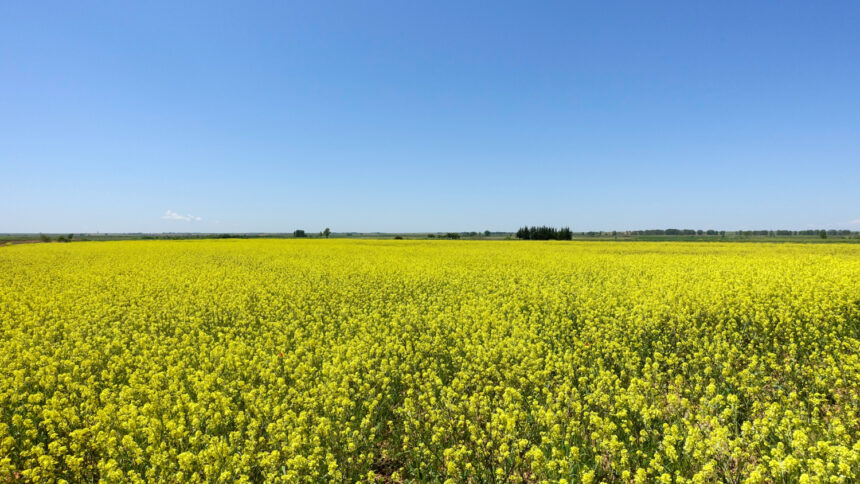
Canola farming in South Africa has grown steadily over the past few decades as farmers look for profitable rotation crops that improve soil health and support sustainable agriculture. Canola, also known as rapeseed, is valued for its oil-rich seeds, which are processed into cooking oil, animal feed, and biofuel products. It fits well into crop rotation systems, especially with cereals like wheat and barley, because it helps break disease cycles and improves soil structure. In regions such as the Western Cape, canola has become an important winter crop due to its adaptability to Mediterranean-type climates. Understanding the basics of canola production is essential for farmers who want to diversify and improve farm profitability.
Successful canola production in South Africa starts with selecting the right climate and soil conditions. Canola performs best in cool, moist growing seasons and does not tolerate extreme heat during flowering and pod formation. Well-drained soils with moderate fertility are ideal, and heavy clay soils with poor drainage should be avoided because they increase the risk of root diseases. Soil preparation is critical, and farmers often aim for a fine, firm seedbed to ensure good seed-to-soil contact. Soil testing before planting helps determine nutrient requirements, especially nitrogen, phosphorus, and sulphur, which are essential for strong plant development.
Planting time plays a major role in achieving good yields in canola farming. In South Africa, planting usually takes place during the autumn months, typically from April to May, depending on the region and rainfall patterns. Early planting allows the crop to establish strong roots before the coldest part of winter, while avoiding late-season heat stress during flowering. Seed depth and spacing must be carefully managed to ensure uniform emergence and optimal plant density. Farmers often aim for a planting depth of around 1 to 3 centimetres to promote consistent germination and reduce seedling stress.
Nutrient management is another important factor in canola production, as the crop has relatively high fertiliser requirements compared to some cereals. Nitrogen is essential for vegetative growth, while phosphorus supports root development and early plant establishment. Sulphur is particularly important for canola because it plays a key role in oil formation and overall yield quality. Farmers often apply fertiliser in split applications to improve efficiency and reduce nutrient loss. Proper nutrient management not only increases yield but also improves seed quality and oil content, which directly affects market value.
Weed control is a major challenge in canola farming, especially during the early growth stages when the crop is most vulnerable. Weeds compete with canola for light, nutrients, and water, which can significantly reduce yields if not managed effectively. Farmers use a combination of pre-emergence and post-emergence herbicides to control weed pressure, along with crop rotation practices that reduce weed seed buildup in the soil. A clean seedbed before planting is also important to give canola a strong start. Integrated weed management strategies help maintain long-term field productivity and reduce herbicide resistance risks.
Pest and disease management is essential for maintaining healthy canola crops in South Africa. Common pests include aphids, diamondback moth, and other insect species that can damage leaves and reduce plant vigour. Diseases such as sclerotinia stem rot and blackleg can also affect yield if not properly managed. Regular field monitoring allows farmers to detect early signs of infestation or infection and take timely action. Crop rotation, resistant varieties, and proper residue management are key strategies used to reduce pest and disease pressure over time.
Water management is another critical aspect of canola farming, especially in areas where rainfall is unpredictable. Canola requires adequate moisture during germination and flowering stages to achieve good yields. However, it is sensitive to waterlogging, which can damage roots and increase disease risk. Efficient water use practices, including conservation tillage and moisture monitoring, help farmers optimise irrigation and rainfall use. In rain-fed systems, planting time and soil moisture conservation techniques are particularly important for success.
Harvesting canola at the right time is crucial to prevent yield loss and maintain seed quality. The crop is typically ready for harvest when the majority of pods turn brown and seeds reach maturity. Delayed harvesting can lead to pod shattering, which results in significant seed loss on the ground. Farmers often use direct harvesting methods or swathing, depending on field conditions and equipment availability. Proper storage after harvesting is also important to maintain seed quality and prevent moisture-related damage.
Market access and profitability are key considerations for canola farmers in South Africa. The crop is in demand due to its use in edible oil production and animal feed industries. Prices can fluctuate based on global vegetable oil markets, making planning and risk management important for farmers. Many producers integrate canola into rotation systems with wheat to spread financial risk and improve soil health benefits. This diversified approach helps stabilise farm income while improving long-term productivity.
Growing canola in South Africa offers farmers a valuable opportunity to diversify production and improve farm sustainability. Success depends on careful attention to soil preparation, planting time, nutrient management, and pest control. When managed correctly, canola can deliver strong yields while improving soil structure and supporting crop rotation systems. It also plays an important role in meeting local demand for edible oils and agricultural products. With the right practices in place, canola farming can become a reliable and profitable component of South Africa’s agricultural landscape.
Join 'Farmers Mag' WhatsApp Channel
Get the latest Farming news and tips delivered straight to your WhatsApp
CLICK HERE TO JOIN