Garlic farming in South Africa offers strong income potential for both small scale and commercial farmers due to steady local demand and limited large scale production. Garlic is used widely in households, restaurants and food processing industries, which creates a consistent market throughout the year. The crop also has good storage life, which reduces post harvest losses when handled correctly. Farmers who manage soil preparation, planting timing and pest control well can achieve profitable yields even on small plots. Starting garlic farming requires planning, correct variety selection and a clear understanding of climate and soil conditions.
The first step in garlic farming is selecting the right planting material and variety suited to South African conditions. Softneck varieties are commonly preferred because they store longer and adapt well to warmer climates, while hardneck varieties may perform better in cooler regions. Farmers should use healthy, disease free cloves sourced from reputable suppliers to ensure strong germination and uniform growth. Avoid using supermarket garlic for planting because it is often treated to prevent sprouting. Quality seed cloves directly influence yield, bulb size and resistance to diseases.
Soil preparation is critical for successful garlic production. Garlic grows best in well drained, loose soil with a pH between 6.0 and 7.0. Heavy clay soils should be improved with organic matter such as compost to enhance drainage and fertility. Farmers should plough or dig the soil to a depth of at least 20 to 30 centimetres to allow proper root development. Raised beds are often recommended in areas with poor drainage to prevent bulb rot. Proper soil preparation ensures that plants develop strong roots and produce larger, healthier bulbs.
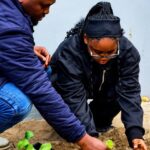
Planting time in South Africa usually falls between autumn and early winter, depending on the region. Garlic requires a cool period for proper bulb development, making timing an important factor for yield success. Cloves should be planted pointy side up at a depth of about 3 to 5 centimetres and spaced adequately to allow air circulation and growth. Rows should be spaced to allow easy weeding and irrigation management. Proper spacing reduces competition for nutrients and helps prevent disease spread.
Water management plays an important role in garlic farming. The crop needs consistent moisture, especially during the early growth and bulb formation stages. However, overwatering must be avoided because it can lead to root rot and fungal diseases. Drip irrigation is often recommended because it delivers water directly to the root zone and reduces water waste. As the crop approaches maturity, watering should be reduced to allow bulbs to harden and improve storage quality. Efficient water use is especially important in South Africa due to variable rainfall patterns.
Fertilisation supports strong growth and higher yields in garlic production. Organic compost or well balanced fertilizers rich in nitrogen, phosphorus and potassium are commonly used. Nitrogen is important during early growth stages to promote leaf development, while phosphorus supports root and bulb formation. Farmers should apply fertilisers in stages rather than all at once to avoid nutrient loss and ensure steady plant growth. Soil testing is recommended to determine specific nutrient requirements and improve efficiency.
Weed, pest and disease control are essential for maintaining healthy garlic crops. Weeds compete with garlic for nutrients and water, so regular manual or mechanical weeding is necessary. Common pests include thrips and nematodes, which can damage leaves and bulbs if not controlled early. Diseases such as white rot and fungal infections can also affect yield, especially in poorly drained soils. Integrated pest management practices, including crop rotation and proper field hygiene, help reduce these risks without excessive chemical use.
Harvesting usually takes place when the leaves begin to turn yellow and fall over, indicating that bulbs have reached maturity. Timing is important because harvesting too early results in small bulbs, while late harvesting can cause bulbs to split or rot. After harvesting, garlic should be cured in a dry, well ventilated area for two to three weeks to improve storage life. Proper curing helps remove excess moisture and enhances flavour and shelf stability. Once cured, garlic can be stored for several months under the right conditions, allowing farmers to sell when market prices are favourable.
Starting garlic farming in South Africa requires careful attention to detail, from soil preparation to post harvest handling. Farmers who follow proper agronomic practices can achieve strong yields and reliable income from relatively small land areas. The crop is well suited to both emerging and commercial farmers due to its high demand and long shelf life. With good planning, efficient water use and proper pest management, garlic farming can become a sustainable and profitable agricultural enterprise. Success in this sector depends on consistency, learning and adapting practices to local conditions.
Join 'Farmers Mag' WhatsApp Channel
Get the latest Farming news and tips delivered straight to your WhatsApp
CLICK HERE TO JOIN