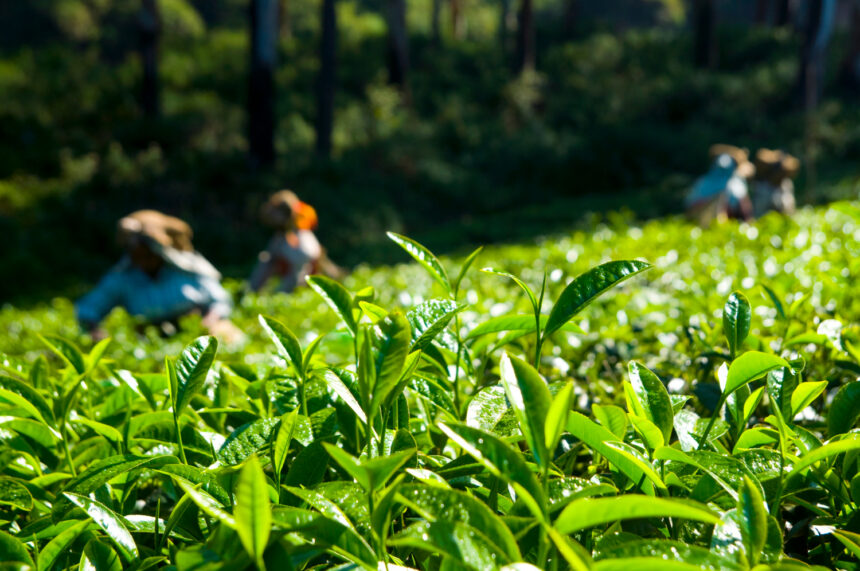
Commercial black tea production in South Africa plays an important role in the country’s agricultural landscape and rural economy. The industry is concentrated mainly in regions with suitable rainfall, fertile soils and cool climates that support tea cultivation. KwaZulu-Natal is one of the key production areas, with plantations benefiting from consistent weather conditions and established agricultural infrastructure. Black tea remains a widely consumed beverage both locally and internationally, which supports steady demand for production. The sector also contributes to employment, export earnings and rural development in farming communities.
Tea production in South Africa is primarily focused on Camellia sinensis, the plant used to produce black tea through a process of withering, oxidation and drying. Large scale commercial farms manage cultivation with structured systems that ensure quality and consistency. The production process begins in the field where tea bushes are carefully maintained through pruning, fertilisation and pest control. Harvesting is done by hand or mechanical means depending on the farm setup and labour availability. After harvesting, the leaves are processed in factories where oxidation levels are carefully controlled to develop the characteristic flavour and colour of black tea.
The industry is strongly linked to agricultural regions that support both large estates and smaller farming operations. KwaZulu-Natal remains the most significant contributor due to its favourable climate and historical development of tea farming. Some estates have been operating for decades and continue to modernise their production systems to meet changing market demands. The sector also benefits from agricultural research and extension services that support improved yields and disease management. These improvements help farmers maintain competitiveness in both domestic and international markets.
Commercial black tea production in South Africa also faces several challenges that influence long term growth. Climate variability affects rainfall patterns, which directly impacts crop health and yield stability. Rising production costs, labour demands and global market competition also place pressure on producers. Farmers must adapt by adopting more efficient farming techniques and investing in sustainable agricultural practices. Water management, soil conservation and integrated pest control have become essential parts of modern tea farming operations. These approaches help ensure long term productivity while reducing environmental impact.
Despite these challenges, the sector continues to show potential for expansion and innovation. Demand for ethically produced and sustainably grown tea is increasing in global markets, creating new opportunities for South African producers. There is also growing interest in value addition, including packaging and branding for local and export markets. Small scale farmers are being encouraged to participate in supply chains through training and cooperative models. With continued investment in skills development, infrastructure and market access, commercial black tea production can strengthen its role in the agricultural economy and support broader rural development goals.
Join 'Farmers Mag' WhatsApp Channel
Get the latest Farming news and tips delivered straight to your WhatsApp
CLICK HERE TO JOIN