Township farming is emerging as a powerful avenue for economic growth, food security, and community development in South Africa. Increasingly, urban and peri-urban areas are being recognized as spaces where agriculture can thrive, creating opportunities for young entrepreneurs and established farmers alike. These initiatives provide a way to utilize underused land, transform vacant plots into productive spaces, and generate income while addressing local food needs. Beyond economic benefits, township farming fosters skills development, encourages sustainable practices, and strengthens social cohesion within communities. With growing support from government programmes, NGOs, and private sector partners, township farming is becoming a viable path for inclusive agricultural growth.
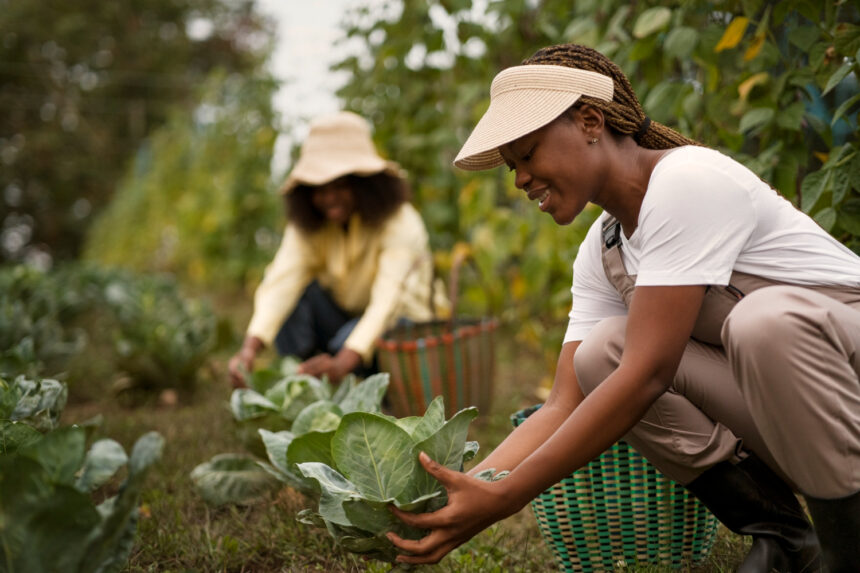
Opportunities in township farming are diverse and adaptable to the resources available. Small-scale vegetable gardens, hydroponic systems, and poultry or goat farming are among the most accessible ventures. Many township farmers are adopting intensive and innovative methods such as vertical farming or container gardening to maximize limited space. These enterprises cater to local markets, supplying fresh produce directly to households, schools, and informal traders, which reduces food miles and supports local economies. Access to microfinance, cooperative models, and agricultural training programmes further strengthens the capacity of township farmers to establish and sustain their ventures.
Government initiatives play a key role in supporting township farming. Programs under the Department of Agriculture, as well as provincial and municipal agricultural offices, offer training, inputs, and mentorship opportunities to urban farmers. These initiatives include workshops on soil fertility management, pest control, irrigation systems, and business planning. By equipping farmers with both technical knowledge and entrepreneurial skills, these programmes aim to ensure profitability and sustainability. Collaboration with research institutions and industry partners also allows township farmers to access improved seed varieties, modern farming technologies, and market intelligence that can boost production and income.
Challenges remain, but they are increasingly being addressed through creative solutions. Limited land, water constraints, and high input costs are common obstacles in township areas. Farmers are responding by using recycled water systems, rainwater harvesting, and low-cost organic fertilizers. Community gardens and cooperative models provide shared resources and support networks, helping farmers overcome individual constraints. Urban farming networks also facilitate knowledge exchange, bulk input purchasing, and collective marketing strategies, which strengthen resilience and reduce operational costs.
Township farming represents a significant opportunity for inclusive growth and local empowerment in South Africa. By converting available land into productive agricultural spaces, township farmers contribute to food security, job creation, and community development. The combination of government support, innovative farming techniques, and strong local networks allows these ventures to thrive despite challenges. As interest in township farming grows, it offers a model for sustainable urban agriculture that benefits both producers and consumers. By investing in skills, resources, and collaborative strategies, township farming can become a cornerstone of South Africa’s agricultural future.
Join 'Farmers Mag' WhatsApp Channel
Get the latest Farming news and tips delivered straight to your WhatsApp
CLICK HERE TO JOIN