

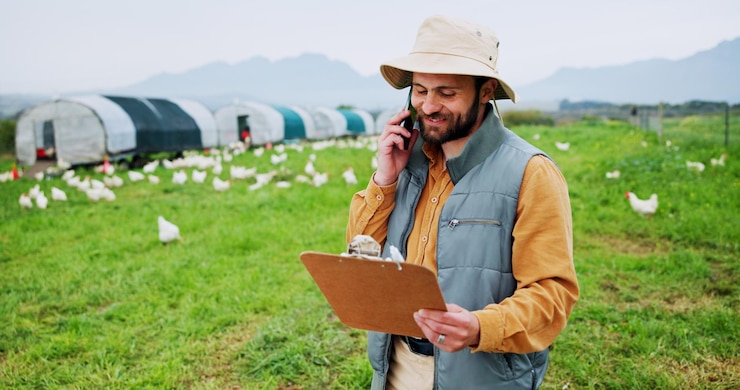
A career as a farm manager in South Africa offers long term opportunities for people who want to combine practical work with leadership in agriculture. Farm managers play a central role in ensuring that farms operate efficiently, remain profitable, and meet production targets. The job involves overseeing crops, livestock, staff, budgets, and day to day operations. In a country where agriculture supports food security and rural economies, skilled farm managers are in high demand. This career path suits individuals who are organised, practical, and comfortable working in dynamic outdoor environments.
To start a career as a farm manager, you need a strong foundation in agricultural knowledge and practical experience. Many professionals begin by studying agriculture, agribusiness, animal science, or crop production at universities or agricultural colleges. Institutions such as TVET colleges also offer hands on training that prepares students for real farm environments. Practical exposure is critical, so internships or entry level farm work provide valuable experience. Learning how farms operate on the ground helps you understand the challenges and decision making required in management roles. Employers often prefer candidates who combine education with real world experience.
Farm managers are responsible for planning and coordinating all farming activities, which requires strong organisational and leadership skills. You will need to manage planting schedules, livestock feeding programmes, harvesting cycles, and equipment use. Budgeting and financial planning are also part of the role, since farms must operate within cost limits while achieving production goals. Managing workers is another key responsibility, including assigning tasks, training staff, and ensuring safety standards are followed. Good communication is essential because farm managers must coordinate between workers, suppliers, and buyers. The ability to solve problems quickly is also important in unpredictable farming conditions.
Understanding different types of farming systems is important when building a career in farm management. South Africa has diverse agricultural sectors including crop farming, livestock production, mixed farming, and commercial agribusiness. Each system requires different management approaches depending on climate, soil, and market demand. For example, crop farms focus heavily on planting cycles and soil management, while livestock farms prioritise animal health and feed management. A successful farm manager must adapt their skills to suit the specific type of operation they are managing. Flexibility and continuous learning are key strengths in this profession.
Technology is increasingly shaping farm management in South Africa, and modern managers need to be comfortable using digital tools. Precision agriculture systems, GPS guided machinery, and farm management software help improve efficiency and productivity. Data collection tools are used to track weather patterns, soil conditions, and crop performance. These technologies allow farm managers to make informed decisions and reduce waste. Understanding how to use these tools gives you a competitive advantage in the job market. Farms that adopt technology are often more productive and financially stable.
Career growth in farm management often depends on experience, performance, and leadership ability. Many farm managers start as assistants or supervisors before moving into senior management roles. With enough experience, some progress to managing large commercial farms or multiple farm operations. Others choose to specialise in areas such as irrigation management, livestock production, or agribusiness operations. Continuous training and professional development help improve skills and open up new opportunities. Building strong relationships within the agricultural industry can also support career advancement.
In South Africa, the demand for skilled farm managers is influenced by the need for improved food production and sustainable farming practices. Climate change, input costs, and market pressures make efficient farm management more important than ever. Employers look for individuals who can balance productivity with sustainability and long term planning. Government and private sector support programmes also create opportunities for training and development in agriculture. This makes the sector accessible to both rural and urban job seekers who are willing to gain experience and learn.
Starting a career as a farm manager in South Africa requires education, practical experience, and strong leadership skills. The role involves managing complex farming operations, making decisions under pressure, and ensuring efficient use of resources. With the right training and dedication, you can build a stable and rewarding career in a sector that is essential to the country’s economy. Technology and modern farming practices continue to create new opportunities for growth and innovation. For individuals who are committed to agriculture, farm management offers a meaningful and long term career path.
Join 'Farmers Mag' WhatsApp Channel
Get the latest Farming news and tips delivered straight to your WhatsApp
CLICK HERE TO JOIN




