

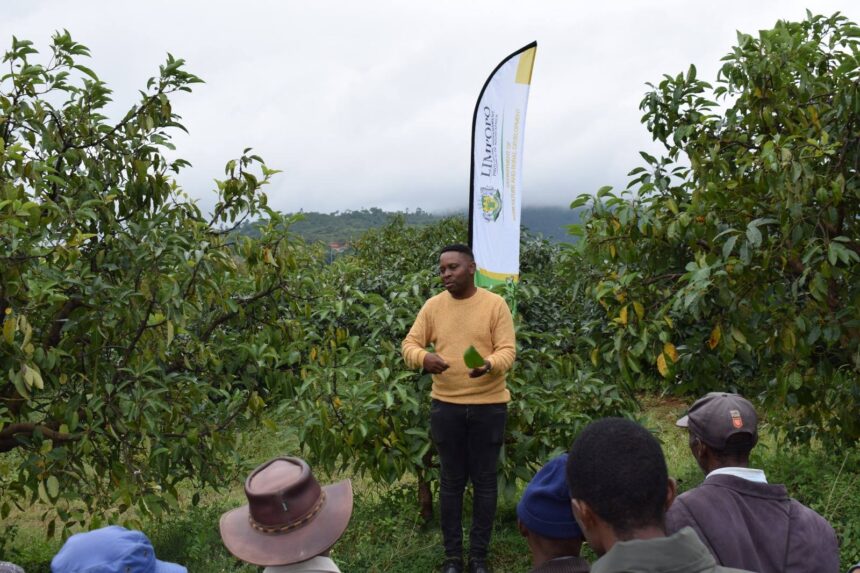
On 24 April 2026, the Department of Agriculture and Rural Development in Mopani District hosted an avocado study group at Magalies Boerdery under the Greater Letaba Municipality. This initiative reflects a focused effort to strengthen farmer capacity through Extension Services and improve outcomes in the agricultural sector. The event brought together farmers who are actively involved in avocado production and are seeking to improve both quality and yield. It also aligns with government priorities aimed at promoting inclusive economic growth by supporting smallholder and emerging farmers. By creating a platform for knowledge sharing, the department continues to address real challenges faced by producers on the ground.
The study group focused on equipping farmers with practical and relevant knowledge about avocado production. Farmers gained insight into how to manage their crops more effectively in order to meet market standards and increase profitability. The emphasis was on improving production techniques that directly impact fruit quality and consistency. Access to this type of information is critical, as the avocado market is highly competitive and requires strict adherence to quality benchmarks. Through structured engagement, farmers were able to ask questions, share experiences, and learn from experts in the field.
Steven Mantsho from the Subtropical Growers Association delivered a detailed session that focused on key production practices. He explained that proper soil sampling is essential for understanding nutrient levels and ensuring that avocado trees grow in optimal conditions. Healthy soil directly affects tree performance, fruit size, and overall yield. Mantsho also stressed that avocados require significant water, especially during dry periods, and that irrigation must be carefully managed to avoid stress on the trees. In addition, he highlighted the need for balanced fertilization to support flowering and fruit development, which are critical stages in the production cycle.
Mantsho also addressed harvesting practices, which play a major role in determining the final quality of avocados. He advised farmers to avoid harvesting during rainy conditions or when trees are wet, as moisture can reduce shelf life and increase the risk of spoilage. This guidance is practical and easy to apply, yet it has a strong impact on market readiness. He further explained that the correct harvesting time depends on location and environmental conditions, meaning farmers must understand their specific context. These insights help farmers make better decisions that protect the value of their produce.
Another key message from Mantsho was the importance of sustainable farming practices. He encouraged farmers to avoid synthetic boosters and instead rely on natural inputs that support long-term soil health. This approach not only protects the environment but also ensures that production remains stable over time. Healthy soil leads to consistent yields and reduces the need for costly interventions. Farmers who adopt these practices are more likely to build resilient operations that can adapt to changing conditions.
Melrose Ramokonyane from the Limpopo Department of Agriculture and Rural Development reinforced the importance of continuous learning. She encouraged farmers to actively participate in Subtropical Study Groups, as these platforms provide ongoing opportunities to build knowledge and improve skills. She also announced that the next session will include a visit to a commercial nursery, which will give farmers practical exposure to advanced production systems. This type of hands-on learning is essential for bridging the gap between theory and practice. It allows farmers to see successful models and apply similar techniques in their own operations.
Ramokonyane also emphasized the need for professionalism and discipline in farming practices, particularly during harvesting. She pointed out that consistent quality is what allows farmers to compete in formal markets and secure better prices. Climate change remains a challenge, as shifting weather patterns have already affected production for some farmers in the region. Despite these challenges, she urged farmers to remain committed and adapt their practices to protect both productivity and livelihoods. Her message focused on resilience and the importance of maintaining high standards even under pressure.
The avocado study group in Mopani District stands as a clear example of how targeted support and knowledge sharing can improve agricultural outcomes. Farmers left the session with practical tools that they can apply immediately to enhance production and quality. The collaboration between the department, industry experts, and farmers creates a strong foundation for growth in the avocado sector. By focusing on sustainability, education, and market readiness, this initiative supports long-term success. Continued participation and application of these skills will help farmers strengthen their operations and contribute to a more competitive and resilient agricultural economy.
Join 'Farmers Mag' WhatsApp Channel
Get the latest Farming news and tips delivered straight to your WhatsApp
CLICK HERE TO JOIN




