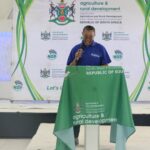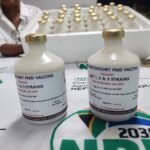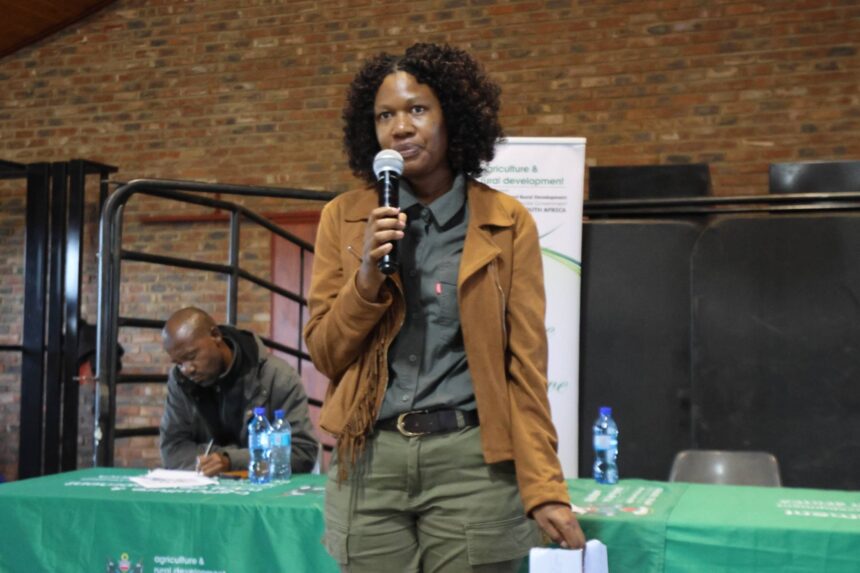
Farmers in the North West province are stepping up efforts to protect their livestock as awareness around animal health continues to grow. A recent Foot-and-Mouth Disease awareness event held at the Wolmaransstad Show Grounds brought together farmers from across the region. Despite wet weather conditions, attendance remained strong, showing the level of concern and commitment within the farming community. The programme, led by the State Veterinary Service Office Wolmaransstad, focused on practical steps farmers can take to prevent and manage outbreaks. Livestock farming plays a vital role in rural economies, making disease prevention a top priority. Events like this help close knowledge gaps and provide farmers with tools to act quickly when risks arise. The strong turnout reflects a shared understanding that preparation is essential for protecting both animals and livelihoods.
Foot-and-Mouth Disease, commonly known as Foot-and-Mouth Disease, is one of the most contagious animal diseases affecting cloven-hoofed animals such as cattle, sheep and goats. It spreads rapidly through direct contact, contaminated equipment and even through the air under certain conditions. An outbreak can lead to severe economic losses due to reduced productivity, trade restrictions and the cost of control measures. For farmers, even a single case can disrupt operations and impact income. This makes early detection and prevention critical. The awareness programme provided detailed information on how the disease spreads and what signs to watch for in livestock. Farmers learned that vigilance and quick reporting can significantly reduce the impact of an outbreak.
The training sessions focused on practical, on-farm measures that farmers can implement immediately. These include controlling the movement of animals, limiting access to farms and maintaining strict hygiene practices. Farmers were encouraged to disinfect vehicles, equipment and footwear to reduce the risk of contamination. Another key point was the importance of isolating new or sick animals before introducing them to the herd. These steps may seem simple, but they are highly effective when applied consistently. The programme also emphasized the role of record keeping in tracking animal movements and identifying potential risks. By adopting these practices, farmers can create a first line of defense against disease.
Veterinary officials also highlighted the importance of working closely with local authorities. The State Veterinary Service Office in Wolmaransstad plays a central role in monitoring animal health and responding to outbreaks. Farmers were urged to report any suspected cases immediately to ensure a rapid response. Delays in reporting can allow the disease to spread, making control efforts more difficult and costly. The collaboration between farmers and veterinary services strengthens the overall response system. It ensures that information flows quickly and that interventions are applied where they are needed most. This partnership is essential for maintaining a healthy livestock sector in the region.
The event also created a space for farmers to share experiences and learn from one another. Peer learning is valuable, especially in rural areas where practical knowledge often comes from direct experience. Farmers discussed past challenges and how they managed disease risks on their farms. These conversations reinforced the importance of community-wide action. Disease control is not effective if only a few farmers take precautions. It requires coordinated effort across entire farming areas to reduce the risk of spread. The awareness programme helped build this sense of shared responsibility among participants.
The FMD awareness drive in Wolmaransstad shows how education and collaboration can strengthen agricultural resilience. By equipping farmers with accurate information and practical tools, the programme helps reduce the risk of outbreaks. The commitment shown by farmers, even in poor weather, highlights the importance of livestock to their livelihoods. Ongoing awareness efforts will be key to maintaining this level of preparedness. With continued support from veterinary services and active participation from farmers, the region can better protect its livestock. Strong knowledge and consistent action remain the most effective tools for keeping farms safe and productive.
Join 'Farmers Mag' WhatsApp Channel
Get the latest Farming news and tips delivered straight to your WhatsApp
CLICK HERE TO JOIN