Agriculture in South Africa is entering a period of rapid change as farmers respond to climate pressure, rising input costs and growing food demand. South Africa is seeing a shift from traditional farming methods toward more efficient and technology-driven systems. Farmers now face the challenge of producing more food on the same or smaller land areas while managing water shortages and unpredictable weather. This pressure is pushing both commercial and small-scale farmers to adopt new tools and practices. Government, private sector players and research institutions are also playing a stronger role in shaping how farming develops. The focus is no longer only on production but also on sustainability, resilience and profitability. These combined forces are setting the direction for the future of farming in the country.
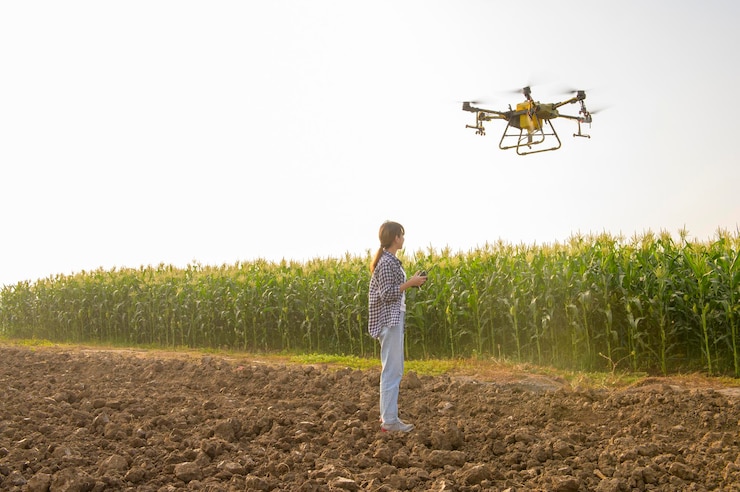
One of the strongest trends is the rise of precision agriculture. Farmers are increasingly using data-driven tools to make decisions about planting, irrigation and fertiliser use. Satellite imagery, soil sensors and GPS-guided equipment help reduce waste and improve yields. This approach allows farmers to apply inputs only where they are needed, which lowers costs and improves efficiency. It also helps protect soil health by preventing overuse of chemicals and water. In a country where drought is a constant risk, precision farming is becoming a practical necessity. Even mid-sized farms are beginning to adopt these systems as technology becomes more affordable.
Another important trend is climate-smart agriculture. Farmers are adjusting their practices to deal with changing rainfall patterns and higher temperatures. This includes planting drought-resistant crop varieties and shifting planting schedules to match seasonal changes. Conservation farming methods such as reduced tillage and crop rotation are also becoming more common. These methods help improve soil moisture retention and reduce erosion. Water management is now a central focus, with many farms investing in drip irrigation and water recycling systems. The goal is to build farms that can withstand climate shocks while maintaining stable production levels.
Digital transformation is also reshaping agriculture in South Africa. Mobile apps, online platforms and farm management software are helping farmers track performance and access markets. Small-scale farmers are using digital tools to get weather updates, price information and farming advice. This reduces information gaps that previously limited productivity. E-commerce platforms are also creating new opportunities for farmers to sell directly to buyers. At the same time, digital record keeping helps improve compliance with food safety and export standards. As internet access expands in rural areas, digital farming tools are expected to become more widely used.
Sustainability and regenerative farming are gaining momentum as long-term priorities. Farmers are beginning to focus on restoring soil health through natural methods such as composting and reduced chemical use. There is also growing interest in integrating livestock and crop farming to improve nutrient cycles. Renewable energy systems, such as solar-powered irrigation, are being adopted to reduce dependence on diesel and grid electricity. These changes not only reduce environmental impact but also lower operating costs over time. Consumers are also driving this shift by demanding food that is produced in more environmentally responsible ways. This creates incentives for farmers to adopt greener practices.
The future of farming in South Africa will depend on how well farmers, government and industry adapt to these changes together. Innovation, technology and sustainable practices will play a central role in shaping the sector. Farmers who invest in new methods will be better positioned to handle uncertainty and improve productivity. At the same time, support systems such as training, financing and infrastructure will remain essential. Agriculture will continue to be a key driver of food security and economic growth in the country. With the right balance of technology, knowledge and sustainability, South African farming can become more resilient and competitive in the years ahead.
Join 'Farmers Mag' WhatsApp Channel
Get the latest Farming news and tips delivered straight to your WhatsApp
CLICK HERE TO JOIN