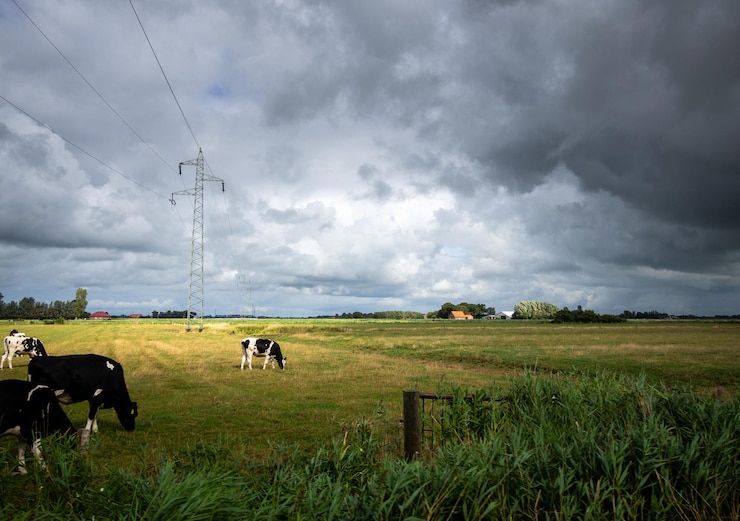
Farming in South Africa carries high levels of uncertainty due to climate change, market volatility and rising input costs. Farmers face regular threats such as drought, floods, pests and livestock diseases that can destroy production in a short period. These risks make agriculture one of the most vulnerable economic sectors in the country. Effective risk management helps farmers protect their income, secure food production and maintain long term stability. Without proper planning, even a single season of failure can place a farming business under severe financial pressure.
Weather related risks remain one of the biggest challenges for South African farmers, especially in regions that depend on rainfall for crop production. Extended dry periods reduce yields, while sudden heavy rains can damage crops and erode soil. Farmers reduce these risks by using irrigation systems, drought resistant crop varieties and soil conservation practices. Many also monitor weather forecasts closely to plan planting and harvesting times more effectively. These strategies help reduce losses and improve consistency in production across seasons.
Financial risk is another major concern, driven by fluctuating input prices for fuel, fertiliser, feed and equipment. When costs rise unexpectedly, farmers often struggle to maintain profit margins. Many farmers manage this risk by diversifying income streams, such as combining crop farming with livestock or agro processing activities. Access to credit and insurance also plays an important role in stabilising farm operations during difficult periods. Budget planning and cost control help ensure that farms remain financially sustainable even when market conditions change.
Biological risks, including pests, plant diseases and livestock outbreaks, can spread quickly and cause severe losses. In crop production, infestations can reduce yields and increase production costs due to higher pesticide use. In livestock farming, diseases can lead to death, reduced productivity and trade restrictions. Farmers reduce these risks through vaccination programmes, biosecurity measures and regular monitoring of animals and crops. Early detection and rapid response are key to preventing small outbreaks from becoming large scale problems.
Market risk also affects farmers, as prices for agricultural products can change due to supply and demand shifts. Farmers may experience low prices during harvest seasons when supply is high, which reduces income. To manage this, some farmers use forward contracts or join cooperatives to secure better pricing and stable market access. Others focus on value addition, such as processing raw products into packaged goods to increase profit margins. Building relationships with reliable buyers also helps reduce uncertainty in sales.
Risk management in South African farming requires a combination of planning, technology and practical decision making. Farmers who diversify production, invest in resilient infrastructure and adopt modern farming techniques are better prepared for uncertainty. Government support programmes and agricultural insurance products also play a role in reducing exposure to major losses. By actively managing risks, farmers can protect their livelihoods and improve long term productivity. Strong risk management practices ensure that agriculture remains sustainable and capable of supporting food security and rural economies across the country.
Join 'Farmers Mag' WhatsApp Channel
Get the latest Farming news and tips delivered straight to your WhatsApp
CLICK HERE TO JOIN