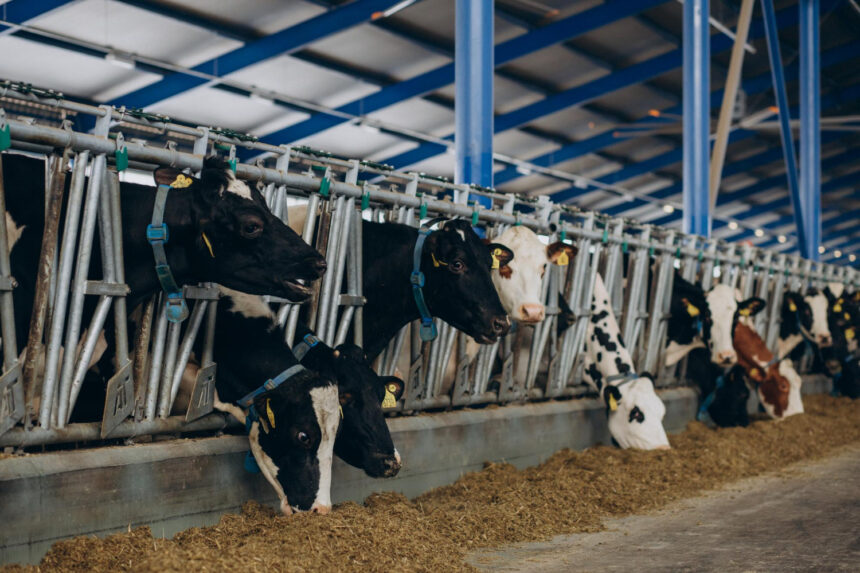
Dairy farming in South Africa offers a strong opportunity for entrepreneurs who want to build a stable and income-generating agricultural business. The demand for fresh milk and dairy products remains consistent across urban and rural markets, creating reliable sales channels for producers. Starting a dairy farm requires careful planning, a clear understanding of costs, and a long-term commitment to animal care and production efficiency. Many successful dairy farmers begin on a small scale and expand gradually as they build experience and secure stable markets. With the right approach, dairy farming can provide daily cash flow and long-term growth within the agricultural sector.
The first step in starting a dairy farm is selecting a suitable location and ensuring access to essential resources such as water, grazing land, and infrastructure. Dairy cows require a constant supply of clean water, quality feed, and shelter to maintain consistent milk production. Farmers need to invest in basic infrastructure, including milking parlours, storage facilities, and proper fencing to manage livestock effectively. The choice of location also affects transport costs and access to buyers, so proximity to processing plants or local markets is important. A well-planned setup reduces operational challenges and supports efficient daily management of the farm.
Choosing the right dairy breed plays a major role in determining productivity and profitability. In South Africa, common breeds include Holstein, Jersey, and Ayrshire, each offering different advantages in milk yield, butterfat content, and adaptability to local conditions. Holsteins are known for high milk production, while Jerseys produce milk with higher butterfat content, which can attract premium prices. Farmers should select breeds based on climate, feeding capacity, and market demand for specific milk qualities. Investing in healthy, high-quality animals from reputable breeders reduces the risk of disease and improves long-term production outcomes.
Feeding and nutrition are critical components of a successful dairy operation, as milk production depends heavily on the quality and consistency of feed. Dairy cows require a balanced diet that includes pasture, silage, hay, and concentrates to maintain optimal health and productivity. Farmers must plan feed availability throughout the year, especially during dry seasons when natural grazing may be limited. Proper nutrition not only increases milk yield but also improves reproduction rates and overall herd performance. Managing feed costs effectively is essential, as it represents one of the largest expenses in dairy farming.
Milk production and handling must meet strict hygiene and quality standards to ensure safety and maintain market access. Farmers need to follow proper milking procedures, including cleaning equipment, maintaining animal health, and storing milk at the correct temperature. Cooling systems are essential to preserve milk quality before it is transported to buyers or processing facilities. Many dairy farmers in South Africa supply milk to cooperatives or large processors, while others explore direct sales to local consumers for higher margins. Building strong relationships with buyers helps ensure consistent demand and stable pricing for milk products.
Financial planning is essential when starting a dairy farm, as initial setup costs can be high. Expenses include purchasing livestock, building infrastructure, acquiring equipment, and securing feed supplies. Farmers should develop a clear budget and consider financing options such as agricultural loans or government support programmes. Cash flow management is critical, as dairy farming involves ongoing expenses before consistent income is achieved. Keeping detailed records of production, expenses, and sales helps farmers track performance and make informed decisions to improve profitability over time.
Dairy farming in South Africa requires dedication, knowledge, and a willingness to adapt to changing conditions. Farmers must manage risks such as fluctuating feed prices, animal health issues, and market changes that can affect profitability. Regular veterinary care, proper herd management, and continuous learning are essential for maintaining a productive operation. By starting with a clear plan and focusing on efficiency, farmers can build a sustainable dairy business that grows steadily over time. The combination of consistent demand and daily production makes dairy farming a reliable venture for those committed to long-term success in agriculture.
Join 'Farmers Mag' WhatsApp Channel
Get the latest Farming news and tips delivered straight to your WhatsApp
CLICK HERE TO JOIN