Raising rabbits for meat and fibre is becoming a practical and profitable small scale farming option in South Africa. Demand for alternative protein sources and natural fibres continues to grow, especially in urban and peri urban markets. Rabbit farming requires relatively low startup space compared to other livestock systems, which makes it attractive for new and emerging farmers. The production cycle is also fast, which allows farmers to generate income within a short period if management is done correctly. In South Africa, rabbit farming can support food security, small business development and household income generation when done with proper planning.
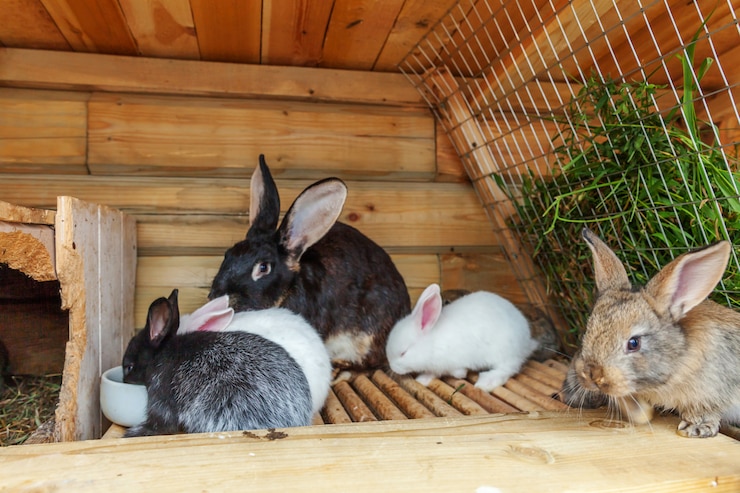
Meat production is one of the main drivers of rabbit farming. Rabbits grow quickly and can reach market weight in about 10 to 12 weeks depending on breed and feeding practices. Farmers focus on breeds that convert feed efficiently and produce lean meat that is in demand in health conscious markets. Housing must be clean, well ventilated and secure to prevent disease and predation. Feeding systems usually include commercial pellets, green fodder and clean water supplied daily. Good nutrition directly affects growth rate, reproduction and overall profitability.
Fibre production is another valuable opportunity, especially through specialised breeds such as Angora rabbits. These rabbits produce soft wool that can be harvested multiple times per year if managed correctly. Fibre quality depends on grooming routines, diet and environmental conditions. The fibre is used in textiles, knitting products and niche fashion markets. Farmers interested in fibre production must invest more time in grooming and monitoring because matting and stress can reduce output quality. This makes fibre production more labour intensive but also more valuable per kilogram compared to meat.
Successful rabbit farming also depends on strong breeding management and disease control. Rabbits reproduce quickly, so farmers must plan breeding cycles carefully to avoid overcrowding. Proper record keeping helps track birth rates, growth performance and mortality levels. Common health challenges include respiratory infections, parasites and digestive issues, all of which can be reduced through hygiene and proper housing design. Vaccination and biosecurity practices are important to protect herd health and maintain consistent production. Farmers who maintain strict management routines usually achieve better long term results.
Market access plays a major role in the success of rabbit farming ventures. Farmers can sell meat directly to local consumers, butcheries, restaurants and informal markets that value alternative protein sources. Fibre producers can supply craft industries, textile makers and specialty buyers who work with natural materials. Marketing strategies should focus on quality, consistency and reliability of supply. Training and support programmes in South Africa are increasingly available to help emerging farmers build skills and improve production systems. With proper planning, rabbit farming offers a sustainable entry point into livestock production and can support both food production and rural economic development.
Join 'Farmers Mag' WhatsApp Channel
Get the latest Farming news and tips delivered straight to your WhatsApp
CLICK HERE TO JOIN